

Do you ever drag yourself out of bed feeling like you need a caffeine IV drip just to function — and still hit a wall by 10 a.m.? You’re not alone, and more importantly, you don’t have to keep living that way. The way you spend your first hour awake has a profound ripple effect on your energy, focus, and mood for the entire day.
In this post, we’re diving deep into ten morning habits for energy that are backed by science, beginner-friendly, and completely free of caffeine dependency. You’ll walk away with practical steps, realistic time estimates, and easy modifications so you can start feeling vibrantly alive — right from the moment your feet hit the floor.
Key Takeaways
- Hydrating within minutes of waking replenishes overnight fluid loss and jumpstarts cellular energy production.
- Natural morning light exposure regulates cortisol and melatonin — the hormones that govern your energy cycles.
- Even 5–10 minutes of gentle movement can trigger endorphin release and reduce morning fatigue.
- Mindful, protein-rich breakfast choices stabilise blood sugar and prevent the mid-morning energy crash.
- Breathwork and mindfulness practices reduce cortisol spikes, keeping your nervous system calm and energised.
- Consistent sleep and wake times are the single most powerful foundation for sustainable daily vitality.
Why Your Morning Routine Determines Your Whole Day’s Energy
Most of us treat mornings as something to simply survive rather than intentionally design. But here’s the thing — your body is primed for a biological reset every single morning, and how you respond to that reset shapes everything that follows. Understanding the science behind how to boost energy in the morning makes every habit feel purposeful rather than like another chore on your list.
Your circadian rhythm — your internal 24-hour clock — governs cortisol, melatonin, blood sugar, body temperature, and dozens of other energy-related processes. The morning inputs you give your body (light, movement, food, stress) either synchronise or disrupt this rhythm. When it’s aligned, energy flows naturally. When it’s disrupted, fatigue becomes your default state.

The Cortisol Awakening Response
In the 30–45 minutes after waking, your body naturally spikes cortisol — not in a stressful way, but in a motivating, alerting way. This is called the Cortisol Awakening Response (CAR), and it’s your body’s built-in energy surge. The habits you practise during this window either amplify or blunt the CAR.
Scrolling social media, staying in a dark room, and skipping breakfast all suppress your CAR. Light exposure, movement, and hydration amplify it. It’s that simple — and that powerful.
Why Caffeine Masks the Real Problem
Caffeine works by blocking adenosine receptors — the receptors responsible for making you feel sleepy. The problem? It doesn’t eliminate adenosine; it just postpones it. When caffeine wears off, that accumulated adenosine floods in, often harder than before. This is the classic afternoon crash cycle that keeps so many people caffeine-dependent.
By building genuine energy through lifestyle habits, you address the root cause rather than the symptom. That said, I’m not anti-coffee — I just want you to choose it because you enjoy it, not because you’re desperate for it.
Habit 1: Hydrate Immediately — Before Anything Else
This one is simple, free, and wildly effective. After 7–8 hours without fluid, your body wakes up in a mild state of dehydration, and even mild dehydration — as little as 1–2% — has been shown to impair cognitive function, reduce alertness, and increase feelings of fatigue. Starting with hydration is one of the most impactful daily habits to increase vitality you can adopt today.
How to Do It
Keep a 500ml glass or bottle of water on your nightstand every evening. The moment your alarm goes off, drink it before you reach for your phone. If plain water feels boring, add a squeeze of fresh lemon or a pinch of mineral-rich sea salt for electrolyte balance — both enhance absorption and give it a refreshing flavour.
Time required: 2 minutes. Beginner modification: Start with 250ml if 500ml feels like too much first thing.
Adding Electrolytes for Extra Impact
If you exercise in the morning or live in a warm climate, consider adding an electrolyte supplement to your morning water. Sodium, potassium, and magnesium all play critical roles in cellular energy production. A clean, low-sugar electrolyte option can make a noticeable difference in how awake you feel within the first 20 minutes of your day.
Habit 2: Get Sunlight in Your Eyes Within 30 Minutes of Waking
Dr Andrew Huberman’s work on circadian biology has brought this habit into mainstream conversation, and for good reason — it’s one of the most evidence-backed morning behaviours for energy regulation. Morning light exposure triggers a cascade of hormonal responses that set the tone for alertness all day long.
The Science of Light and Energy
When natural light hits your retina in the morning, it signals the suprachiasmatic nucleus (your brain’s master clock) to amplify your cortisol awakening response and suppress residual melatonin. This sharpens focus, improves mood, and promotes better sleep quality that night — which means more energy tomorrow, too. It’s a beautiful, self-reinforcing cycle. And if mornings stay brutal no matter how much light you get, a flat cortisol curve may be part of the picture — these are the signs of low cortisol.
Research suggests that even 5–10 minutes of outdoor morning light exposure is sufficient to synchronise your circadian rhythm on most days. Cloudy days still count — outdoor light is significantly brighter than indoor lighting, even when overcast.
Practical Steps
Step outside with your morning water. Walk to the letterbox, sit on your porch, or simply stand near an open window if going outside isn’t feasible. Don’t wear sunglasses during this window — you need that unfiltered light reaching your retinas. Time required: 5–10 minutes. Beginner modification: Combine with your hydration habit to save time.
Habit 3: Move Your Body — Even for Just 5 Minutes
You don’t need a 60-minute gym session to feel energised in the morning. In fact, research consistently shows that even short bouts of low-to-moderate intensity movement can significantly increase alertness, improve mood, and reduce perceived fatigue. Morning movement is one of the most accessible morning habits for energy you can build into a busy schedule.

Types of Morning Movement to Try
The key is choosing something you actually enjoy. Movement doesn’t need to be punishing to be effective — it just needs to get your blood circulating and your body temperature rising slightly. Here are some options across different fitness levels:
- 5-minute option: Dynamic stretching or a sun salutation flow
- 10-minute option: A brisk walk around the block or a short yoga sequence
- 20-minute option: A bodyweight strength circuit or light jog
- 30+ minute option: Full workout session, run, or spin class
Beginner modification: Start with five minutes of gentle stretching from bed — neck rolls, shoulder circles, and a spinal twist. This alone will make a noticeable difference in morning stiffness and energy.
The Endorphin Effect
Morning exercise triggers a release of endorphins, dopamine, and serotonin — the neurochemicals responsible for motivation, positivity, and calm energy. Unlike caffeine’s artificial stimulation, this natural boost tends to be smooth, sustained, and mood-enhancing. You’ll also prime your brain for better focus and decision-making throughout the day.
“Energy isn’t something you find at the bottom of a coffee cup — it’s something you build, one intentional morning at a time.”
Habit 4: Eat a Protein-Rich, Blood-Sugar-Stable Breakfast
What you eat in the morning — and when you eat it — has a direct impact on your energy levels for hours afterward. The classic high-carb, low-protein breakfast (think sugary cereal, toast with jam, or a pastry with juice) sends blood sugar on a rollercoaster ride that almost guarantees an energy crash before lunchtime. Mindful nutrition in the morning is one of the most underrated tools for sustained vitality.
What to Eat for Lasting Energy
Aim for a breakfast that combines quality protein, healthy fats, and slow-digesting carbohydrates. This trio keeps blood glucose stable, reduces cravings, and provides steady fuel for your brain and body. Some of my favourite combinations:
- Eggs (scrambled or poached) with avocado on sourdough and a handful of spinach
- Greek yogurt with berries, chia seeds, and a drizzle of almond butter
- A protein-rich smoothie with greens, banana, protein powder, flaxseed, and almond milk
- Overnight oats with hemp seeds, walnuts, and fresh fruit
For more inspiration, check out our guide to high-protein breakfast ideas for busy mornings — it’s full of quick, delicious options even on hectic days.
Breakfast Timing Matters
Aim to eat within 60–90 minutes of waking to support cortisol regulation and blood sugar stability. If you practise intermittent fasting, that’s absolutely fine — just ensure your first meal is nutrient-dense and protein-forward when you do break your fast. There’s no one-size-fits-all approach here; listen to your body and find what genuinely works for you.
Comparing Morning Energy Habits: Time vs. Impact
One of the most common questions I hear is: “Which habits give me the most bang for my buck if I’m really short on time?” Here’s a quick reference to help you prioritise based on your schedule and energy goals.
| Morning Habit | Time Required | Energy Impact | Beginner-Friendly? |
|---|---|---|---|
| Morning Hydration | 2 minutes | High | ✅ Yes |
| Sunlight Exposure | 5–10 minutes | Very High | ✅ Yes |
| Morning Movement | 5–30 minutes | Very High | ✅ Yes |
| Protein-Rich Breakfast | 10–15 minutes | High | ✅ Yes |
| Breathwork / Meditation | 5–10 minutes | Medium–High | ✅ Yes |
| Cold Water Exposure | 2–5 minutes | High | ⚠️ Moderate |
| Consistent Wake Time | 0 minutes (habit) | Foundational | ✅ Yes |
Habit 5: Practice Breathwork or a Short Meditation
Your nervous system state in the morning sets the emotional and physiological tone for your entire day. If you wake up stressed, rush through your morning, and immediately open emails, you’re triggering a fight-or-flight response that burns through energy reserves rapidly and leaves you depleted by midday. Even five minutes of intentional breathwork can completely transform this pattern.
Simple Breathwork Techniques to Try
Box breathing (inhale 4 counts, hold 4, exhale 4, hold 4) activates the parasympathetic nervous system and reduces cortisol spikes caused by stress. Physiological sighing — a double inhale through the nose followed by a long exhale through the mouth — is one of the fastest-acting techniques for reducing acute stress and restoring calm energy. Both can be done in bed or seated on the floor.
If meditation appeals to you, apps like Insight Timer or Calm offer free 5-minute guided sessions that are perfect for beginners. You don’t need to clear your mind completely — just giving yourself a few minutes of intentional stillness before the day begins makes an enormous difference in sustained energy. Explore more about breathwork practices for stress and energy to deepen your understanding.
Journaling as a Mindfulness Anchor
Some people find that a brief morning journal entry — even just three things they’re grateful for or an intention for the day — provides a grounding mental clarity that supports focus and emotional energy. It takes less than five minutes and can anchor the rest of your morning routine beautifully.
Habit 6: Avoid Your Phone for the First 20 Minutes
This one might feel harder than a 5 a.m. workout, but it is genuinely one of the most transformative habits for sustained morning energy. Reaching for your phone the moment you wake up immediately floods your brain with reactive, emotionally-charged stimuli — social media notifications, news headlines, work emails — before your nervous system has had a chance to fully wake up.
Why the Phone Drains Your Morning Energy
The dopamine spike from morning phone use is short-lived and quickly replaced by low-grade anxiety, mental fragmentation, and reactive thinking. Studies on digital media consumption show that morning phone use is associated with higher stress levels, reduced focus, and lower self-reported energy throughout the day. The phone-free morning window is one of the most powerful — and most overlooked — daily habits to increase vitality.
What to Do Instead
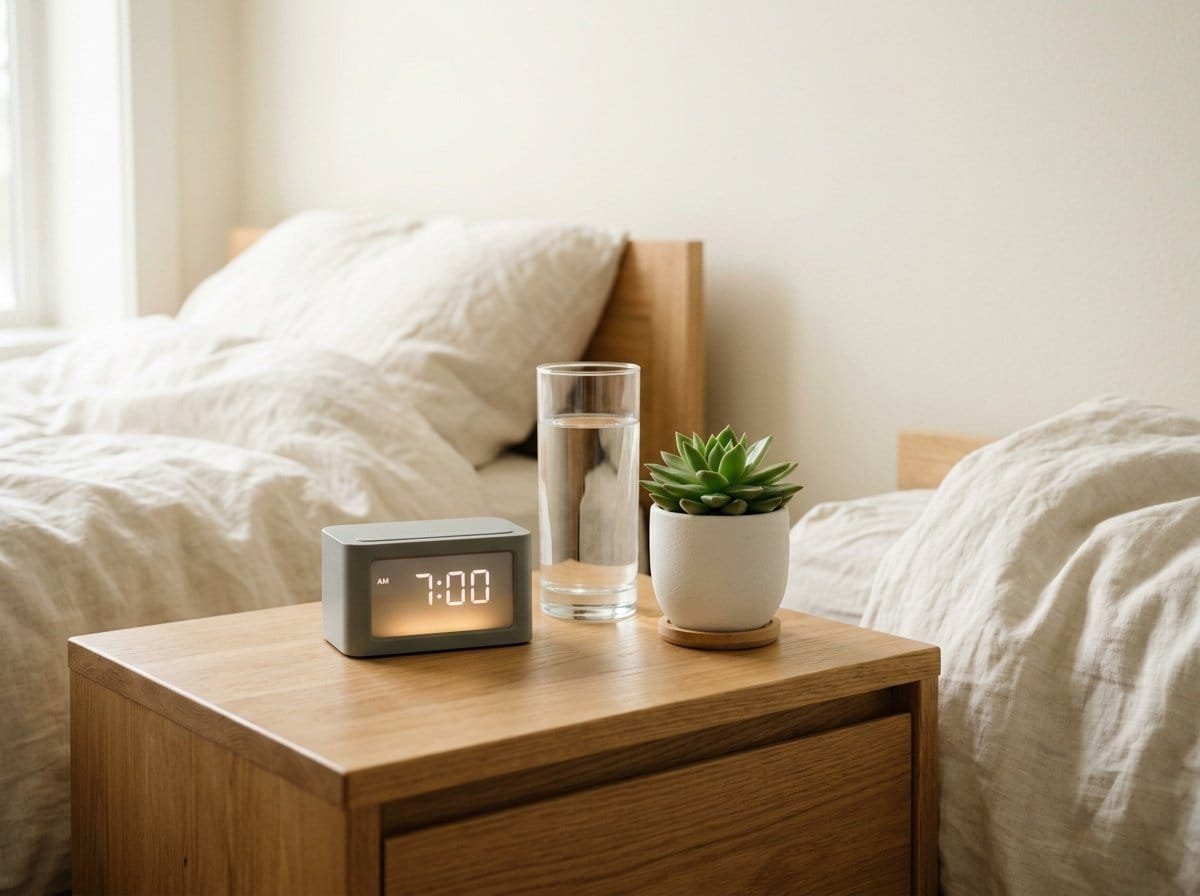
Use this time for any of the other habits in this list — hydrate, step outside, stretch, breathe. Buy a separate alarm clock so your phone can stay in another room overnight. If a full 20 minutes feels overwhelming, start with just five minutes phone-free and gradually extend the window each week. You’ll be genuinely surprised how much calmer and more energised you feel within just a few days.
Habit 7: Support Your Body with Strategic Supplementation
Even with the best diet, many of us have nutritional gaps that quietly contribute to chronic fatigue. Targeted supplementation can be a meaningful layer of support when chosen thoughtfully and in alignment with your individual needs. This isn’t about replacing good habits — it’s about amplifying them.
Key Nutrients for Morning Energy
Several nutrients have strong evidence behind their role in energy metabolism. Magnesium is involved in over 300 enzymatic processes including ATP (cellular energy) production — and is one of the most common deficiencies in adults. Vitamin B12 and the broader B-vitamin complex support mitochondrial function and red blood cell formation, both critical for sustained energy. Iron deficiency, particularly in menstruating women, is a leading cause of unexplained fatigue.
Vitamin D is another big one — low levels are strongly associated with fatigue, low mood, and poor sleep quality. If you live in a northern latitude or spend most of your time indoors, a daily D3 supplement is worth discussing with your healthcare provider. Learn more about the best supplements for energy and vitality to find the right fit for your body.
Adaptogens and Nootropics
Adaptogenic herbs like ashwagandha, rhodiola rosea, and lion’s mane mushroom have growing evidence behind their ability to support stress resilience, cognitive clarity, and sustained energy without the jitteriness of stimulants. These are wonderful additions to a morning wellness stack and pair beautifully with the lifestyle habits in this post.
Habit 8: Set a Consistent Wake Time — Even on Weekends
If there’s one foundational habit that underpins all the others, it’s this one. Sleep consistency — waking at the same time every day, including weekends — is the single most powerful regulator of your circadian rhythm and, by extension, your baseline energy levels. Sleeping in on weekends creates what sleep researchers call social jet lag, which is associated with chronic fatigue, metabolic disruption, and mood disturbances.
How to Find Your Ideal Wake Time
Count back 7–9 hours from your desired wake time to find your ideal bedtime. Most adults function optimally with 7–8 hours of quality sleep. If you’re currently waking at wildly different times each day, start by shifting your wake time in 15-minute increments toward your goal — abrupt changes to sleep schedules can cause more disruption than gradual ones.
The Weekend Temptation
I completely understand the appeal of sleeping in on Saturday. But try staying within 60 minutes of your regular wake time — you can always take a short afternoon nap if needed. Over time, as your sleep quality improves through better morning habits, you’ll naturally feel more rested at your regular wake time and the urge to oversleep will diminish significantly.
Habits 9 and 10: Cold Water Exposure and a Clear Morning Intention
We’re rounding out our ten habits with two powerful but often overlooked practices. These final habits add depth and resilience to your morning energy foundation — and both can be done in under five minutes each.
Habit 9: End Your Shower with 30–60 Seconds of Cold Water
I know, I know — this one sounds brutal. But hear me out. Cold water immersion, even briefly at the end of a warm shower, triggers a noradrenaline release in the brain — a neurotransmitter that dramatically increases alertness, focus, and mood. Studies show noradrenaline levels can increase by 200–300% with cold exposure. Start with just 15 seconds and work your way up. Within two weeks, most people genuinely look forward to it.
The invigorating effect of cold water is immediate and undeniable. It’s like hitting a biological reset button on your entire nervous system — without a single sip of espresso required.
Habit 10: Set One Clear Intention for the Day
Decision fatigue is a real energy drain, and it often starts before we even leave the house. Taking 60 seconds to set one clear intention or priority for the day — not a to-do list, just one meaningful focus — creates a sense of direction and purpose that supports sustained mental energy and reduces the overwhelm that scatters our attention. You can do this while drinking your morning water, during your sunlight walk, or as part of your journaling practice. Pair it with our guide to reducing decision fatigue for better daily productivity for a complete mental energy strategy.
Frequently Asked Questions
How long does it take to see results from morning habits for energy?
Most people notice a meaningful difference in energy and alertness within 3–7 days of consistently applying even just two or three of these habits — particularly hydration, sunlight exposure, and movement. For deeper, more sustainable changes in baseline energy, allow 3–4 weeks of consistent practice. Your circadian rhythm takes time to recalibrate, but the shift is absolutely worth it.
Do I need to do all ten habits every single morning?
Absolutely not! Start with two or three that feel most accessible and build gradually. Even one habit done consistently is infinitely more valuable than ten habits done sporadically. I’d suggest beginning with hydration, sunlight, and a consistent wake time — these three alone create a powerful foundation for all the others.
Can these habits help if I have a medical condition causing fatigue?
These habits are supportive wellness practices, not medical treatments. If you’re experiencing chronic, unexplained fatigue, it’s important to speak with your doctor to rule out underlying conditions like thyroid dysfunction, anaemia, sleep apnoea, or autoimmune issues. That said, most of these habits are safe for everyone and often recommended alongside medical treatment as complementary support.
What if I’m not a morning person — can I still benefit?
Yes! Being a “night owl” is partly genetic (chronotype), but the biological principles behind these habits apply regardless of your natural preference. If mornings are genuinely difficult, focus on consistency over timing — doing these habits at the same time each day, even if that’s 8 a.m. rather than 5:30 a.m., still delivers significant benefits. Over time, consistent wake times can even gently shift your chronotype toward earlier rising.
Is it okay to have coffee alongside these morning habits?
Absolutely — if you love coffee, enjoy it! Many sleep and energy experts recommend delaying caffeine intake by 90–120 minutes after waking to allow your natural cortisol awakening response to peak first. This makes your coffee more effective and reduces tolerance buildup. Pair it with a nutritious breakfast rather than drinking it on an empty stomach for best results.
What’s the best single habit to start with if I’m completely new to morning routines?
Start with hydration — it’s free, takes two minutes, requires no equipment, and delivers immediate results. Place a glass of water on your nightstand tonight and drink it before you touch your phone tomorrow morning. That one small act will shift your morning experience more than you expect, and it naturally creates momentum for the habits that follow.
How do I stick to morning habits when I have young children or an unpredictable schedule?
Flexibility is key here. Focus on “habit stacking” — attaching small habits to things you’re already doing, like drinking water while you wait for the kettle or stepping outside during school drop-off for your light exposure. Even five chaotic minutes of intentional practice beats a perfect routine that never actually happens. Progress over perfection, always.
Building a morning routine that truly energises you isn’t about waking at 4:30 a.m. or following a rigid regimen — it’s about making small, intentional choices that honour your body’s natural rhythms. Pick two habits from this list and commit to them for one week. Notice how you feel. Then layer in another. You deserve to feel vibrantly alive and genuinely energised every single day, and I truly believe these practices can help you get there. If you’re ready to take your wellness journey further, explore the Attain Supplements energy and vitality range to find the perfect complement to your new morning rituals. You’ve got this — I’m cheering you on every step of the way! 💛
nn⚕️ Disclaimer: This article is for general informational and educational purposes only and is not a substitute for professional medical advice, diagnosis, or treatment. Always consult a qualified healthcare provider before making changes to your diet, exercise, supplement, or wellness routine. Read our full medical disclaimer.



Leave a Reply