

Do you ever find yourself staring at a wall of supplements, wondering which one will actually help you feel like yourself again — calm, focused, and energized all at once? That feeling of being stretched too thin, too tired, and too wired is something so many of us know intimately. You deserve better than that.
Today we’re diving deep into one of the most talked-about comparisons in the natural wellness world: ashwagandha vs rhodiola. Whether you’re chasing the best adaptogen for energy and stress or simply trying to figure out if ashwagandha or rhodiola for fatigue is the right fit for your life, this post has everything you need to make a confident, informed choice.
Key Takeaways
- Ashwagandha is best for deep stress relief, cortisol balance, and restorative sleep support.
- Rhodiola rosea excels at boosting mental energy, stamina, and acute stress resilience.
- Both adaptogens are backed by clinical research but work through different mechanisms.
- Stacking them is possible, but timing and dosing matter significantly for best results.
- Quality sourcing — including standardized extracts — is key to seeing real benefits from either herb.
What Are Adaptogens and Why Do They Matter?
Before we pit these two powerhouse herbs against each other, it helps to understand what makes something an adaptogen in the first place. The term isn’t just a wellness buzzword — it has a specific scientific definition that these plants genuinely earn.
The Definition of a True Adaptogen
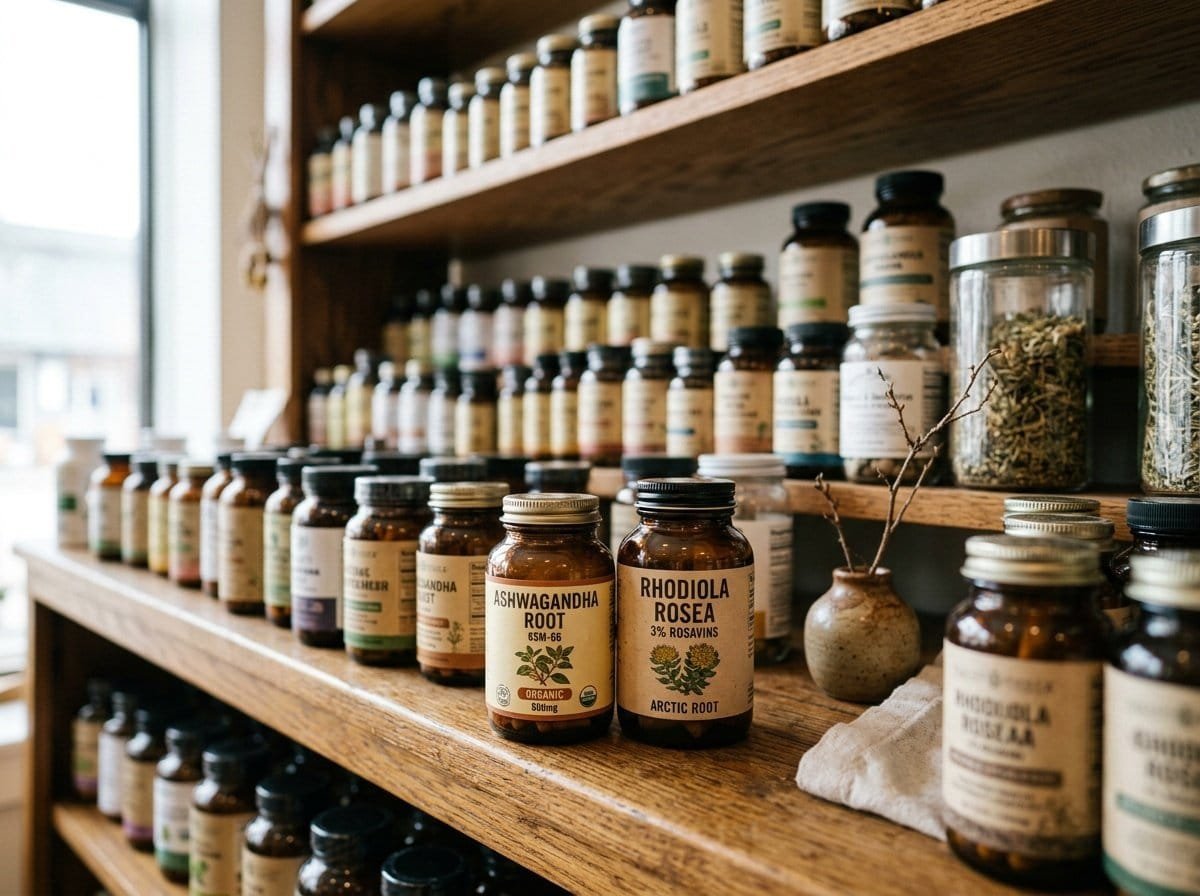
Adaptogens are a unique class of herbs and natural substances that help the body resist physical, chemical, and biological stressors. To qualify, a substance must be non-toxic at normal doses, produce a non-specific response to stress, and help normalize physiological functions regardless of the direction the stressor is pushing your body.
Both ashwagandha and rhodiola rosea tick all three boxes beautifully. They don’t just mask symptoms — they actually support your body’s natural stress-response systems at a root level. That’s what makes them so different from a cup of coffee or a glass of wine.
The Rise of Natural Stress Relief
More of us are turning to plant-based solutions as we learn more about the long-term toll that chronic stress takes on our hormones, gut health, immunity, and mental clarity. If you’re curious about how chronic stress affects your hormones, it’s worth exploring the cortisol connection more deeply. Adaptogens sit beautifully at the intersection of ancient herbal wisdom and modern clinical research.
Ashwagandha: The Ancient Calming Root
Ashwagandha (Withania somnifera) has been a cornerstone of Ayurvedic medicine for over 3,000 years. Its name literally translates to “smell of horse” — a nod to both its earthy aroma and the horse-like strength and vitality it was believed to confer. Today, it’s one of the most researched adaptogens on the planet.
How Ashwagandha Works in Your Body
The primary active compounds in ashwagandha are withanolides, a group of steroidal lactones that modulate the body’s stress response. Ashwagandha works largely by regulating the hypothalamic-pituitary-adrenal (HPA) axis — the command center of your stress hormone system. By dampening an overactive HPA axis, it helps lower chronically elevated cortisol levels.
It also interacts with GABA receptors in the brain, which contributes to its calming, anxiolytic effects. Think of it as helping your nervous system learn to take a long, slow exhale. This makes it particularly valuable for people dealing with anxiety, burnout, and stress-induced insomnia.
What the Clinical Research Says
A landmark double-blind, randomized controlled trial published in the Journal of the American Nutraceutical Association found that participants taking 300 mg of ashwagandha root extract twice daily experienced a significant reduction in serum cortisol and self-reported stress scores compared to placebo. Multiple other studies confirm improvements in sleep quality, thyroid function, and even testosterone levels in men under stress.
For women especially, ashwagandha’s impact on hormonal balance is an exciting and growing area of research. It genuinely earns its reputation as a deeply restorative herb.
Ideal Use Cases for Ashwagandha
- Chronic stress and anxiety
- Adrenal fatigue and burnout recovery
- Poor sleep quality or stress-induced insomnia
- Hormonal imbalance and thyroid support
- Post-workout recovery and muscle strength
Rhodiola Rosea: The Energizing Arctic Root
Rhodiola rosea grows in cold, mountainous regions of Europe and Asia, and has been used for centuries by Russian and Scandinavian cultures to improve endurance, resilience, and mental performance. Viking warriors reportedly used it before battle. Modern athletes and executives reach for it before demanding performance days — and there’s real science behind why.
How Rhodiola Works in Your Body
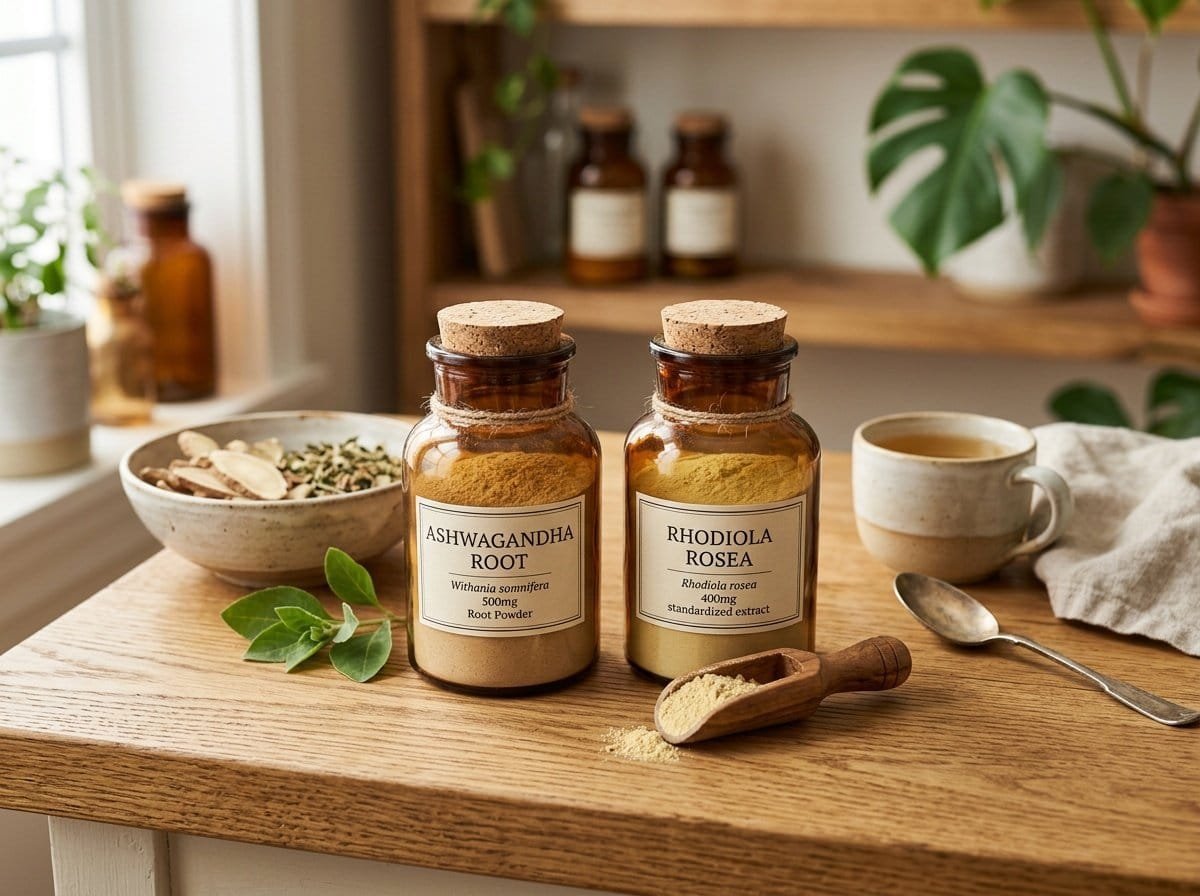
Rhodiola’s key active compounds are rosavins and salidroside, which together influence several neurotransmitter systems. Unlike ashwagandha’s more sedating, cortisol-lowering mechanism, rhodiola primarily works by modulating serotonin, dopamine, and norepinephrine — the brain chemicals most tied to mood, motivation, and alertness.
It also activates AMPK, an enzyme that plays a major role in cellular energy regulation, which helps explain its reputation for fighting fatigue at a cellular level. Rhodiola essentially helps your brain and body access energy reserves more efficiently under stress — without the crash you’d get from stimulants.
What the Clinical Research Says
A well-cited 2009 study published in Phytomedicine showed that rhodiola significantly reduced burnout symptoms and improved concentration, mood, and overall work performance in stressed physicians working night shifts. A separate randomized trial found measurable improvements in mental fatigue and cognitive performance after just a single dose in some subjects.
This fast onset of action is one of rhodiola’s most compelling characteristics. While ashwagandha typically builds over several weeks, rhodiola can begin to support mental energy within hours of the first dose for some people.
Ideal Use Cases for Rhodiola
- Mental fatigue and brain fog
- Acute stress before presentations, workouts, or demanding days
- Burnout from mental overwork
- Athletic performance and endurance
- Low motivation or mild depressive feelings
Ashwagandha vs Rhodiola: Head-to-Head Comparison
Now that we understand each herb on its own terms, let’s put them side by side in a direct comparison. This is where the nuance really shines — because the best choice truly depends on your unique needs and goals.
Mechanisms, Timing, and Effects at a Glance
| Feature | Ashwagandha | Rhodiola Rosea |
|---|---|---|
| Primary Action | Cortisol reduction, HPA axis regulation | Neurotransmitter support, cellular energy |
| Best For | Anxiety, sleep, burnout recovery | Mental fatigue, focus, acute stress |
| Onset of Action | 2–4 weeks of consistent use | Can be felt within hours to days |
| Energy Effect | Grounding, calming energy | Uplifting, motivating energy |
| Fatigue Type Addressed | Adrenal/hormonal fatigue | Mental and physical fatigue |
| Sleep Support | Strong (best taken at night) | Minimal (best taken in the morning) |
| Standardized Extract | KSM-66 or Sensoril (withanolides) | 3% rosavins / 1% salidroside ratio |
| Can They Be Combined? | Yes, with thoughtful timing | Yes, with thoughtful timing |
“The best adaptogen isn’t the most popular one — it’s the one that matches your body’s unique stress signature right now.”
Side Effects and Safety Considerations
Both herbs have excellent safety profiles when used appropriately, but that doesn’t mean they’re completely without nuance. Understanding the potential downsides helps you use them wisely and feel confident in your choices.
Ashwagandha Side Effects
For most people, ashwagandha is very well tolerated. Some individuals, however, may experience mild digestive upset, especially when taking it on an empty stomach. A small number of people report feeling overly sedated or experiencing loose stools at higher doses.
More importantly, ashwagandha is a nightshade-family plant (Solanaceae), which means people with nightshade sensitivities should use caution. There are also rare but documented cases of liver enzyme elevation with very high doses, which is why sticking to clinically studied doses (300–600 mg of a standardized extract) is important. Pregnant women should avoid it, as it may have uterine-stimulating properties.
Rhodiola Rosea Side Effects
Rhodiola is generally considered very safe, but its stimulating properties mean that taking it too late in the day can interfere with sleep for sensitive individuals. Some people experience mild dizziness or dry mouth, especially at the start. It’s best avoided by those who are already highly anxious or prone to overstimulation, as it can amplify that wired feeling in some cases.
Rhodiola may also interact with certain antidepressants due to its effects on serotonin pathways, so if you’re on SSRIs or SNRIs, please have a conversation with your healthcare provider before adding it to your routine.
Who Should Choose Ashwagandha?
If there’s one question I get asked constantly, it’s this: which one is right for me? Let’s break it down clearly so you can walk away with real clarity and confidence.
Ashwagandha Is Your Best Match If…
You’ll likely thrive with ashwagandha if your primary complaints center around anxiety, high cortisol, trouble sleeping, or feeling emotionally depleted and burnt out. It’s also a wonderful companion for women navigating perimenopause, the symptoms of menopause, or thyroid challenges, and for anyone supporting their adrenal health naturally.
If your stress manifests as that wired-but-tired feeling — where you’re exhausted but can’t switch off — ashwagandha is almost certainly the hero you need. It’s the herb of deep restoration. Plan to use it consistently for at least four to six weeks to feel its full effects.
Signs You Need Deeper Rest, Not More Energy
- You wake up at 3 AM and struggle to fall back asleep
- You feel anxious without a clear reason
- Your energy crashes hard in the afternoon
- You feel emotionally reactive and overwhelmed
- You’ve been under prolonged chronic stress
Who Should Choose Rhodiola Rosea?
Rhodiola is for the person who needs a lift — not just physically, but mentally and emotionally. It’s an incredible ally for busy, driven women who need to perform at their best even when life is demanding everything from them.

Rhodiola Is Your Best Match If…
If your main struggle is mental fatigue, lack of motivation, brain fog, or feeling flat and uninspired despite getting enough rest, rhodiola is likely your match. It’s also a brilliant choice for athletes looking to improve endurance and recovery, or for anyone facing a particularly high-pressure season — a new job, a major project, exam preparation.
Because rhodiola works relatively quickly, it’s also a great option for building a pre-workout supplement stack that supports both energy and stress resilience without stimulants.
Signs You Need Mental Energy, Not Sedation
- You struggle to concentrate or stay motivated
- Your mood feels flat or low without a clear cause
- You experience mental fatigue by mid-morning
- Physical performance feels off despite adequate sleep
- You feel burnout from cognitive overload rather than emotional overwhelm
Can You Stack Ashwagandha and Rhodiola Together?
Here’s where it gets really exciting — and where I see a lot of confusion online. The short answer is yes, you absolutely can use both adaptogens together, and many people find this combination incredibly powerful. But the how matters enormously.
Timing Your Adaptogen Stack
The most effective and commonly recommended approach is to take rhodiola in the morning with breakfast, to leverage its energizing and focus-enhancing properties throughout the day. Then take ashwagandha in the evening, to help your body wind down, lower cortisol, and prepare for restorative sleep. This creates a beautiful rhythm that supports both performance and recovery around the clock.
Think of rhodiola as your morning sunrise supplement and ashwagandha as your evening moonlight supplement. Together, they help you rise with energy and rest with ease — a true full-day wellness strategy.
Dosing Guidelines for a Combined Protocol
- Rhodiola rosea: 200–400 mg of a standardized extract (3% rosavins, 1% salidroside) in the morning
- Ashwagandha: 300–600 mg of a standardized extract (KSM-66 or Sensoril) in the evening
- Always start at the lower end of each dose range and assess your response over two to four weeks
- Take cycling breaks (e.g., five weeks on, one week off) to maintain sensitivity
How to Source Quality Adaptogen Supplements
This is something I feel very passionately about, because even the best adaptogen can let you down if the supplement quality isn’t there. The supplement industry isn’t as tightly regulated as pharmaceuticals, so knowing what to look for is genuinely empowering knowledge.
What to Look for on the Label
For ashwagandha, look for the trademarked extracts KSM-66 (root-only) or Sensoril (root and leaf), both of which have their own robust clinical trials behind them. The label should state a minimum of 5% withanolides for most formulations.
For rhodiola, the gold standard is a standardized extract listing a ratio of at least 3% rosavins and 1% salidroside. Be wary of cheap rhodiola products that only standardize for one compound — the synergy between rosavins and salidroside is part of what makes the herb effective.
Third-Party Testing and Transparency
Always choose brands that invest in third-party testing — certifications from organizations like NSF International, Informed Sport, or USP indicate that what’s on the label is actually in the capsule, and that there are no hidden contaminants. At Attain Supplements, this kind of quality commitment isn’t optional — it’s the foundation of everything we formulate.
If you’re curious about how to read supplement labels like a nutritionist, I’ve got you covered with a deeper guide on exactly that topic.
Frequently Asked Questions
Can I take ashwagandha and rhodiola at the same time?
Yes, combining them is generally safe and can actually be synergistic. The key is timing — take rhodiola in the morning for energy and focus, and ashwagandha in the evening for cortisol reduction and sleep support. Start with lower doses of each and give your body two to four weeks to adjust before increasing.
How long does it take for ashwagandha to work?
Most people begin to notice meaningful changes in stress levels, mood, and sleep quality after two to four weeks of consistent daily use. Some people feel subtle shifts in the first week, especially in sleep quality. For hormonal and cortisol-related benefits, give it a full six to eight weeks.
Is rhodiola rosea good for anxiety?
Rhodiola can help with stress resilience and mild anxiety, but it’s not the primary adaptogen for this purpose. Because of its mild stimulating effect, some people with high anxiety find it makes them feel more wired. If anxiety is your main concern, ashwagandha is typically the better starting point.
Which adaptogen is best for fatigue — ashwagandha or rhodiola?
It depends on the type of fatigue. If your fatigue stems from hormonal imbalance, adrenal exhaustion, or chronic burnout, ashwagandha is usually more effective. If your fatigue is primarily mental — brain fog, low motivation, cognitive overload — rhodiola is typically the stronger choice for more immediate support.
Are there any drug interactions I should know about?
Rhodiola may interact with antidepressants (SSRIs and SNRIs) due to its effects on serotonin, so always consult your doctor if you’re on these medications. Ashwagandha may interact with thyroid medications and immunosuppressants at higher doses. When in doubt, run your supplement choices by a qualified healthcare provider — especially if you’re managing a chronic condition.
Can men take ashwagandha and rhodiola too?
Absolutely — both adaptogens are beneficial for all genders. Research specifically supports ashwagandha for testosterone support, muscle recovery, and male fertility. Rhodiola is well-studied for athletic performance and stress resilience in men as well. The general guidance on dosing and timing applies equally.
What’s the best form to take these adaptogens — capsule, powder, or tincture?
Capsules with a standardized extract are generally the most reliable option for consistent dosing, which is why most clinical studies use them. Powders can work well in smoothies but are harder to dose precisely. Tinctures are an option but quality can vary widely. For both ashwagandha and rhodiola, I recommend starting with a high-quality standardized capsule form.
Ultimately, the journey to finding your perfect wellness rhythm is deeply personal — and it’s one of the most rewarding paths you can walk. Whether ashwagandha’s grounding calm or rhodiola’s bright, uplifting energy calls to you first, know that you’re already one step closer to thriving just by asking the right questions. If you’re ready to explore premium, third-party tested adaptogen formulas that take the guesswork out of quality, I’d love for you to try Attain’s Ashwagandha Plus (KSM-66) and find the support your body has been asking for. You’ve got this — and I’m cheering you on every step of the way. 💛
Related Articles
- How to Lower Cortisol Naturally — ashwagandha and rhodiola are two of the 10 strategies covered in this complete cortisol guide
- Self-Care Routine — where adaptogen use fits within a broader daily stress management framework
- 10 Morning Habits for All-Day Energy — timing your adaptogen use with an optimised morning routine
- 7 Benefits of Lion’s Mane Mushroom Supplements
- How to Improve Mental Clarity and Focus Naturally
- 5 Things I Did That Drastically Improved My Mental Health




[…] morning habits for energy guide. And if fatigue and stress feel tangled together, my comparison of ashwagandha vs. rhodiola covers two well-studied options for the stress side of the equation — though neither replaces […]
[…] and support mood stability. If you’re exploring adaptogens, checking out a comparison of ashwagandha versus rhodiola for energy and stress is a great starting […]
[…] the gap between where you are and where you want to be. If you’d like extra support, my ashwagandha vs. rhodiola guide walks through the adaptogens I recommend for exactly these tougher, low-energy […]
[…] so we may earn from purchases made through this link. If you’re weighing your options, my ashwagandha vs. rhodiola comparison lays out who each one […]
[…] starting anything new. If you want a broader primer on choosing well, the adaptogen comparison in ashwagandha vs rhodiola is a good companion […]
[…] your sticking point, ashwagandha has more direct research behind it — I compared the options in ashwagandha vs. rhodiola. And a note I’d rather over-say than under-say: supplements interact with medications, they […]