

Welcome to the ultimate intermittent fasting guide! You’re in the right spot if the idea of not eating for certain hours grabs your attention. Intermittent fasting isn’t just about cutting down on food. It’s a way to live that fits right into your day, bringing along incredible health rewards.
This guide will walk you through fasting methods like the popular 16/8 protocol, the 5:2 Diet, Eat-Stop-Eat, and Alternate Day Fasting. There’s also One Meal a Day (OMAD). Are you looking to control your weight, get better at burning fat, or just want to feel younger for longer? Intermittent fasting can be tailored to suit your life. It works by reducing calorie intake, revving up your metabolism, and enhancing fat burning.
By observing fasting periods, you can lose extra weight, and lower blood sugar, insulin, and cholesterol levels. Fasting even supports your brain’s health.
Key Takeaways
- Intermittent fasting offers methods like 16/8, 5:2 Diet, Eat-Stop-Eat, Alternate Day Fasting, and OMAD.
- It helps manage weight by cutting calories and boosting metabolism.
- Time-restricted eating can reduce levels of blood sugar, insulin, cholesterol, and blood pressure, and fight inflammation.
- Fasting promotes cellular repair through autophagy, which may help you live longer.
- Staying consistent is the secret to enjoying intermittent fasting’s long-term advantages.
Introduction to Intermittent Fasting
Intermittent fasting has become quite popular as a way to stay healthy and well. It focuses on when you eat, not what you eat. This idea is rooted in old traditions from times when food wasn’t always around.
- The 16:8 method, where individuals fast for 16 hours and eat within an 8-hour window.
- The 5:2 diet plan, involving normal eating for five days and calorie restriction to 500-600 calories on the remaining two days.
- Eat Stop Eat, which suggests a 24-hour fast once or twice a week.
- Alternate-day fasting, where individuals fast every other day.
Intermittent fasting has deep roots in history, helping people survive food shortages. Today, science supports its many benefits. These include weight loss, better mental focus, less inflammation, and lower disease risks.
Celebrities like Jack Dorsey and Halle Berry have made intermittent fasting popular. It shows this diet’s wide appeal.
Starting intermittent fasting should be done with a doctor’s advice. This ensures it fits your health needs and goals. Eating well with this diet means choosing lean proteins, healthy fats, and lots of veggies.
Intermittent fasting is more than a passing trend. It echoes our ancestors’ patterns, backed by today’s science. By changing when we eat, we enjoy major health benefits.
Who Should Consider Intermittent Fasting?
Intermittent fasting is popular for its benefits, like improving health and helping with weight loss. But, it’s not for everyone. You need to think about your health and what fits your life.
Lifestyle Suitability
Eating in an eight-hour window or fasting on certain days are ways to do intermittent fasting. You need to look at your life and goals to pick the right method. Some eat normally one day and less the next.
Dr. Courtney M. Peterson says to pick a method that keeps you healthy and hydrated. The key is finding a plan that fits into your daily life.
Consulting Healthcare Providers
Before starting intermittent fasting, talk to a healthcare provider. This is very important if you have special health needs. It’s not recommended for pregnant women, young people under 18, those with advanced diabetes, or anyone with an eating disorder without doctor’s advice.
Getting advice from a healthcare professional ensures the fasting plan is safe for you. They can also make any adjustments to help you stay healthy.
Methods of Intermittent Fasting
Exploring intermittent fasting uncovers benefits for different lifestyles and goals. These methods are popular as they fit flexibly into daily lives. They don’t require strict diet rules.
The 16:8 Method
The 16:8 method is known for being easy to stick with. You fast for 16 hours and eat within an 8-hour window. This time-restricted feeding lets you pick an 8-hour slot that fits your day, like noon to 8 PM. It shifts your body to burn fat for energy, not just glucose.
Research shows people using the 16:8 method can lose between 0.8% and 13% of their body weight. It’s a great option for both new and experienced fasters due to its flexibility and results.
Other Methods
Aside from the 16:8 method, there are many other fasting styles:
- 5:2 Diet: You eat normally for five days and limit yourself to 500-600 calories on two days.
- Eat-Stop-Eat: This involves a 24-hour fast once or twice a week.
- Alternate-Day Fasting: You fast every other day, with no food or minimal calories.
- Warrior Diet: Eat small amounts of raw fruits and veggies during the day and one big meal in the evening.
Each fasting method offers its own benefits and challenges. Your lifestyle, goals, and preferences can guide your choice. Intermittent fasting is adaptable, helping to improve health and well-being.
| Fasting Method | Fasting Period | Eating Window | Unique Benefit |
|---|---|---|---|
| 16:8 Method | 16 hours | 8 hours | Flexible and Sustainable |
| 5:2 Diet | 2 non-consecutive days | 5 normal eating days | Easy to Implement |
| Eat-Stop-Eat | 24 hours | 5-6 normal eating days | Intense Calorie Restriction |
| Alternate-Day Fasting | 24 hours fasting alternating days | Normal eating on non-fasting days | Steady Weight Loss |
| Warrior Diet | 20 hours under-eating | 4 hours overeating | Aligns with Circadian Rhythms |
The Benefits of Intermittent Fasting: A Comprehensive Guide
Intermittent fasting is popular for its health benefits. It helps with weight loss, boosts metabolic health, and improves overall well-being. Now, let’s explore how intermittent fasting can be a great tool for your health.

Weight Management
Intermittent fasting excels in weight management. Research in the Journal of Translational Medicine found it as good as traditional dieting for losing weight. By eating in a smaller time frame, you’re likely to eat less. This helps in weight loss. It also boosts insulin sensitivity, aiding in better fat and sugar management in the body.
Improved Metabolic Health
It’s also great for metabolic health. According to the International Journal of Endocrinology, it improves blood sugar and insulin levels in people with metabolic syndrome. This might help prevent diabetes and support heart health by lowering cardiovascular disease risks. Better insulin sensitivity means less stress on your pancreas.
Cellular Repair and Autophagy
Intermittent fasting significantly affects cellular repair through autophagy. An animal study in Cells showed autophagy peaks at 48 hours of fasting. This process cleans out damaged cells, supporting healthy cell function. It could lead to better outcomes for cancer and brain diseases.
Research in Nutrition Reviews found fasting reduces protein clumps in the brain, improving cognitive functions. Fasting boosts the body’s defense against stress and inflammation. This brings many health benefits, both now and in the future.
| Benefit | Study/Source |
|---|---|
| Weight Loss | Journal of Translational Medicine |
| Improved Insulin Sensitivity | International Journal of Endocrinology |
| Reduced Inflammation | Medicina |
| Neuronal Health & Brain Function | Nutrition Reviews |
| Cellular Repair (Autophagy) | Cells |
Potential Challenges of Intermittent Fasting
Starting intermittent fasting brings challenges, especially at first. Many people deal with constant hunger. Learning how to manage this hunger is key for a smoother transition.
The body needs time to get used to new eating times. Hormones like ghrelin may make you feel hungrier at your usual meal times. These changes can also cause headaches and mood swings due to blood sugar changes.
Various studies show how intermittent fasting affects people differently:
- A study with 8 men found no weight change after 15 days of fasting every other day, but glucose levels dropped.
- A study involving 16 non-obese adults (8 males, 8 females) showed both weight and glucose levels decreased after 22 days of fasting every other day.
- Another study with 30 healthy adults (20 females, 10 males) saw significant drops in weight, glucose, and insulin levels after fasting for 28 hours.
Some simple changes can help with adapting to fasting. Staying hydrated and eating nutrient-rich foods when you do eat helps manage hunger better. Side effects like tiredness, sleeplessness, and nausea usually get better within a month.
| Study | Subjects | Fasting Interval | Results |
|---|---|---|---|
| Alternate-Day Fasting | 8 Males | 20-Hour | No weight change, decreased glucose |
| Alternate-Day Fasting | 8 Males, 8 Females | 36-Hour | Decreased weight, glucose, insulin |
| Single Day Fasting | 20 Females, 10 Males | 28-Hour | Decreased weight, glucose, insulin; Increased LDL, decreased triglycerides |
Despite the challenges, research finds intermittent fasting safe for most. Yet, those with certain health issues like diabetes or reflux should talk to a doctor before starting.
What to Eat During Eating Windows
Nutrition is key when doing intermittent fasting. It’s important to eat right to give your body what it needs. Opting for healthy foods during eating periods boosts the benefits of fasting. This leads to better health and well-being.
Fruits and Vegetables
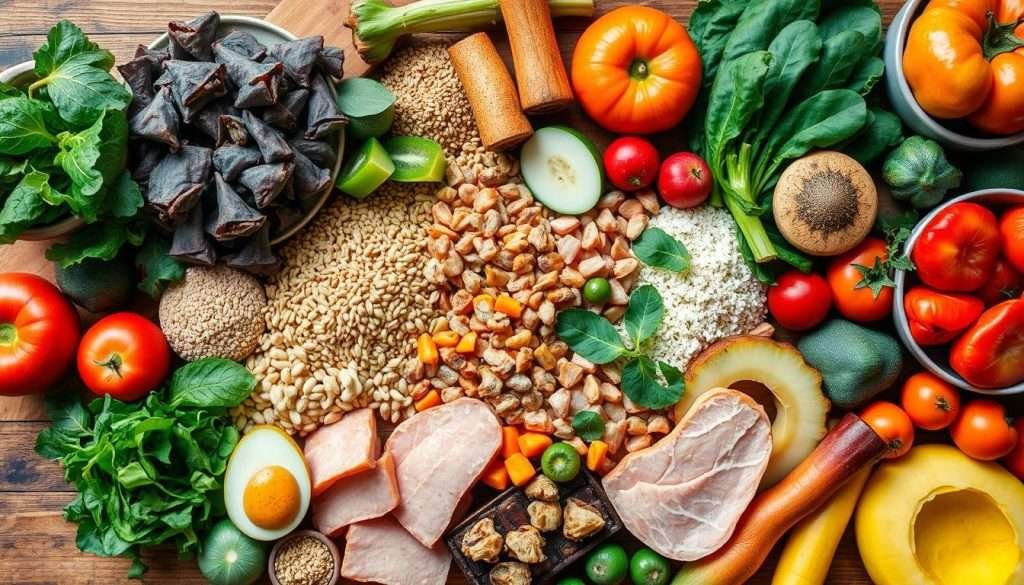
Fruits and vegetables provide key nutrients for your health. They offer vitamins, minerals, and antioxidants. Adding various fruits and veggies to your diet helps get you the nutrients you need. Great choices include berries, apples, spinach, kale, and sweet potatoes.
Whole Grains
Whole grains are excellent for long-lasting energy. They help keep your blood sugar stable. Add quinoa, brown rice, oats, and whole wheat bread to your meals. These grains are also high in fiber, improving digestion and helping you feel full.
Lean Proteins
Lean proteins help in repairing muscles and keeping you full. They are a must in a balanced diet. Foods like chicken, turkey, fish, tofu, and legumes are great lean protein sources. They make sure you’re satisfied and nourished during fasting times.
| Nutrient Source | Benefits |
|---|---|
| Fruits and Vegetables | Rich in vitamins, minerals, and antioxidants; supports overall health |
| Whole Grains | Provide complex carbohydrates; aid digestion and promote fullness |
| Lean Proteins | Essential for muscle repair and satiety |
Foods to Avoid During Fasting Periods
When you’re fasting, choosing what to eat and drink can be hard. It’s important to stay away from anything that could break your fast. This helps you keep on track with your fasting goals.
Caloric Beverages
Avoid drinks with calories during your fast. Sodas, fruit juices, and some sports drinks are no-go. Stick to water, black coffee, and unsweetened tea instead.
Research shows black coffee can make you feel less hungry. This makes fasting a bit easier to manage.
Solid Foods
You shouldn’t eat solid foods like fruits, veggies, and snacks while fasting. They add calories and nutrients that stop your fast. For those on flexible fasting schedules, certain low-cal foods might be okay. However, strict fasting means avoiding all solid foods to get the best results.
Sample Meal Plan for 16:8 Intermittent Fasting
Trying 16:8 intermittent fasting can really change your health for the better. You eat in an 8-hour window and fast for 16. I’ll give you a meal plan to keep you on track and enjoy your food all day.
Breakfast (12:00 PM)
Your first meal is important. A balanced breakfast might have:
- Oats with berries and some nuts.
- Scrambled eggs with greens like spinach and tomatoes for vitamins.
- Whole grain toast to keep you energized.
This plan kicks off your eating window with yummy, nutritious choices. Include protein, fats, and carbs to power through your day.
Lunch (3:00 PM)
Lunch is next, in the afternoon. Plan a meal with protein and lots of greens:
- Grilled chicken breast and a veggie-rich quinoa salad with things like cucumbers and avocados.
- Add a simple dressing like oil and lemon for taste without extra calories.
Meals like this keep you full and energized until your next meal.
Dinner (7:30 PM)
For dinner, you have a chance to end the day with a nourishing meal:
- Baked salmon with steamed broccoli and sweet potatoes on the side.
- Leafy greens salad with tomatoes, cucumbers, and a light dressing.
This dinner covers a variety of nutrients. It helps you close your eating window by 8:00 PM on a high note. Following the 16:8 diet becomes easier.
With good meal planning and sticking to your fasting schedule, balancing your diet and hitting your health goals gets simpler. Use these meal ideas as your guide to better health.
Scientific Evidence Behind Intermittent Fasting
Research on intermittent fasting shows many benefits for metabolism and body shape. The key to these benefits is the metabolic switch. This process is crucial for the body during fasting periods.
Metabolic Switch
When fasting, our bodies stop using glucose for energy. Instead, they burn fat. This change usually happens after we’ve used up our glycogen, a form of energy stored in the liver and muscles.
Studies show people lose about 3% of their body weight with intermittent fasting. This includes methods like alternate-day fasting. Here, people eat about 550 fewer calories each day.
The metabolic switch helps with weight loss and brings metabolic benefits. For example, it reduces insulin resistance and stress from oxidation. Individuals who eat within a 6-hour window each day see better insulin sensitivity and fewer stress markers.
Along with these metabolic benefits, body composition changes too.
Fat Burning and Ketosis
Ketosis is a crucial stage of intermittent fasting. In this state, the body burns fat for energy, increasing fat burn rate. Research shows people restricting their eating to 4 or 6-hour windows lose about 3% body weight in 10 weeks.
They also see a drop in insulin resistance levels. Even overweight individuals with a 10 a.m. to 6 p.m. eating schedule lose a similar amount of weight. This shows the effectiveness of time-restricted eating with different eating routines.
| Fasting Method | Average Weight Loss | Other Benefits |
|---|---|---|
| Alternate-Day Fasting | 3% in 10 weeks | Reduced calorie intake by ~550 calories/day |
| 6-Hour Time-Restricted Eating | 3% over 12 weeks | Improved insulin sensitivity, reduced oxidative stress |
| 4-Hour Time-Restricted Eating | 3% in 10 weeks | Decreased insulin resistance |
| 10 a.m. to 6 p.m. Eating Window | 3% in 12 weeks | Similar weight loss as calorie restriction |
| 8-Hour Daily Eating Window (Type 2 Diabetes) | More weight loss over 6 months | Significant reductions in long-term blood sugar levels |
Intermittent Fasting and Longevity
Emerging evidence shows intermittent fasting (IF) might help us live longer and stay healthier. This is because it promotes cellular repair processes like autophagy. This self-cleaning process helps get rid of damaged cells, possibly making us live longer. Studies show that doing IF from 12 to 48 hours, every 1 to 7 days, and periodic fasting for 2 to 7 days once a month or less, can prevent and treat diseases.
Intermittent fasting methods like the 16:8 method and Alternate Day Fasting (ADF) have a big impact on metabolic health. This might help our cells stay young. Studies have shown that cutting calories by 15% can lower signs of diseases that come with age, like diabetes, cancer, and heart diseases. This suggests intermittent fasting could help extend our lifespan.
Long-term calorie cutting of 20-40% has been shown to make yeast, invertebrates, rodents, and non-human primates live longer and healthier. Cutting back on protein also helps with longevity and health. However, cutting back too much protein can make older individuals frail. Both calorie and protein restrictions affect pathways tied to growth hormone, IGF-1, and insulin, which play roles in aging and cellular longevity.
Intermittent fasting approaches like 5:2 fasting, Time-Restricted Feeding (TRF), and Modified ADF have a significant effect on metabolism, aging, disease, and death in simple and more complex beings. Also, periodic fasting methods like Prolonged Fasting and the Fasting-Mimicking Diet (FMD) are good at boosting cell protection, repair, and removing damaged cells.
Below is a comparison of different fasting methods:
| Fasting Method | Duration | Frequency | Potential Benefits |
|---|---|---|---|
| Intermittent Fasting (IF) | 12-48 hours | Every 1 to 7 days | Prevention of diseases, cellular repair |
| Periodic Fasting (PF) | 2-7 days | Once per month | Promotion of cell protection and repair |
| Prolonged Fasting | Several days | Occasional | Clearance of damaged cells |
| Fasting-Mimicking Diet (FMD) | 5 days | Repeated cycles | Anti-aging |
Intermittent fasting causes changes in metabolism and cells. It affects pathways tied to nutritional signals and might link to age-related diseases. Although more research on humans is needed, intermittent fasting shows promise for extending life.
Conclusion
Trying intermittent fasting can change how we think about food and improve our health. Studies show it can help people lose between 4% to 10% of their body weight in 4 to 24 weeks. Whether you try the 16:8 method or something else, it could lead to a healthier life.
Research says intermittent fasting and eating less have similar benefits, including weight loss for overweight people. But, studies also found some muscle loss with intermittent fasting, similar to eating less. Also, people lose around 0.75 kg a week with alternate-day fasting, and 0.25 kg a week with the 5:2 method, showing it’s effective for a healthier lifestyle.
Mostly young adults, aged 18-35, are trying intermittent fasting. Even though some feel headaches or tired, most people (over 83% of both women and men) are happy with it. This method can lower insulin levels and fight insulin resistance, leading to better weight control and overall health. So, starting intermittent fasting means adopting mindful eating habits for better well-being.


Leave a Reply