
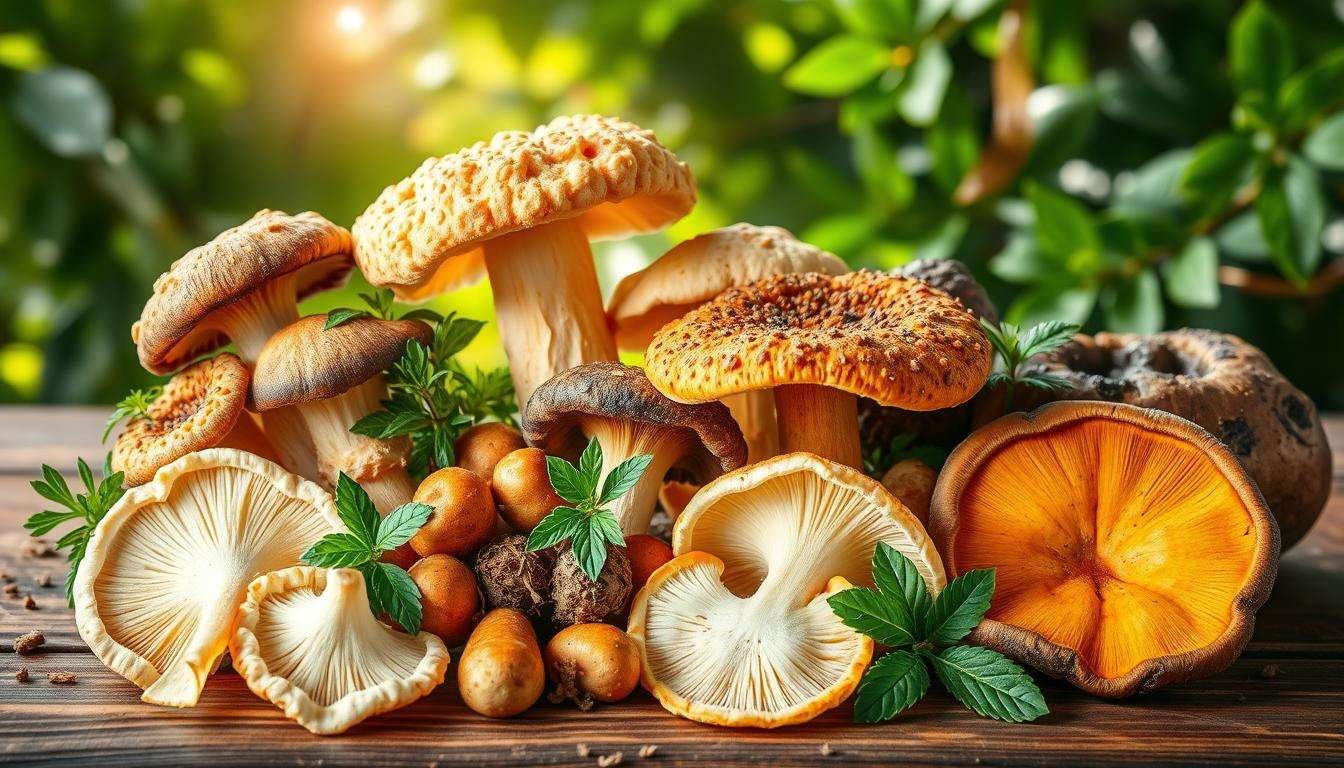
Mushroom supplements have become a staple of the natural wellness world, and there’s real science behind some of the hype — alongside a lot of marketing that outruns the evidence. I wanted to lay out honestly what mushroom supplements can actually do, where the research is solid versus early-stage, and how to choose one if you decide to try them.
Mushrooms have a long history of traditional use across Asia — particularly in China, Japan, and Korea — where varieties like reishi and lion’s mane have been part of food and folk medicine for centuries. That history is interesting, but it isn’t the same thing as clinical proof, so I’ll flag the difference as we go.
**A quick honest note before we dive in:** some of the cancer-related research below is early-stage — done in cells, animals, or as a supplemental add-on alongside conventional cancer treatment under medical supervision, not proof that over-the-counter mushroom supplements prevent or treat cancer on their own. The strongest, most consistent human evidence is for immune support, gut health, and (for Lion’s Mane specifically) cognitive support. Please don’t use mushroom supplements as a substitute for medical cancer care — talk to your oncologist if you’re considering them alongside treatment.
## What Mushroom Supplements Actually Are
Mushroom supplements concentrate compounds from mushrooms — mainly polysaccharides (like beta-glucans), antioxidants, and (in some species) small amounts of vitamin D — into capsules, powders, or extracts. Of the roughly 140,000 identified fungal species, only a couple hundred are considered to have meaningful medicinal properties, and the research is concentrated on a handful: reishi, lion’s mane, cordyceps, chaga, turkey tail, shiitake, and maitake.
## Immune Support: The Best-Established Benefit
This is where mushroom research is strongest. Beta-glucans — polysaccharides found in shiitake, maitake, reishi, and turkey tail — have been shown in human and lab studies to interact with immune cells, including natural killer cells. Turkey tail extracts (specifically the purified compounds PSK and PSP) are actually approved in Japan as a prescription-grade adjunct to chemotherapy, used alongside conventional cancer treatment under medical supervision — not sold or used the way an over-the-counter supplement is. That’s a meaningfully different context from what you’d buy off a shelf, and it’s worth knowing the difference.
For general immune support, shiitake and maitake are the most consistently studied everyday options.
## Gut Health
About 70% of your immune system is associated with your gut, so it’s not surprising that some mushrooms show gut benefits too. Mushroom polysaccharides act somewhat like prebiotics, feeding beneficial gut bacteria. Lion’s mane in particular has some early evidence for supporting gut barrier function, and reishi has shown anti-inflammatory effects on gut microbiota in preliminary studies. This research is promising but still developing — think “reasonable to try,” not “clinically proven digestive treatment.”
## Energy and Exercise Performance
Cordyceps has the most research here. Several small human trials suggest it may modestly improve exercise capacity, in part by affecting how the body uses oxygen and manages lactic acid during exertion. The effect sizes in these studies are real but modest — cordyceps is not a stimulant and won’t feel like caffeine. Reishi has some preliminary evidence for supporting metabolism of carbs and fats during exercise, though this is less studied than cordyceps.
## Brain Health: Lion’s Mane’s Strongest Case
Lion’s mane has the best cognitive research of any mushroom, and it’s genuinely interesting. It contains compounds that appear to stimulate nerve growth factor (NGF) production in lab and animal studies, and a handful of small human trials (mostly in older adults with mild cognitive concerns) have shown improvements in cognitive test scores after 8–16 weeks of consistent use. It’s not a guaranteed fix for memory or focus, and the human trials are still small, but it’s one of the more promising areas in mushroom research. Reishi and cordyceps have smaller, less consistent evidence for stress resilience and mental fatigue.
## Heart Health
Reishi has shown modest effects on blood pressure and cholesterol markers in some studies, and its antioxidant content may support general cardiovascular health as part of an overall healthy diet. This is a supporting-role benefit, not a substitute for standard cardiovascular care.
## Cancer Research: What the Evidence Actually Shows
This is the area most prone to overstatement, so let’s be precise. Certain mushroom-derived compounds (particularly PSK and PSP from turkey tail, and beta-glucans from several species) have been studied as adjuncts to cancer treatment — mainly in Japan, where they’re used as prescription pharmaceutical-grade extracts alongside chemotherapy, under a doctor’s supervision, to potentially support immune function during treatment. Some population-level observational studies have also linked higher mushroom consumption in the diet to lower rates of certain cancers — but observational studies show correlation, not causation, and can’t account for every confounding factor (people who eat more mushrooms often have other healthier habits too).
None of this means an over-the-counter mushroom capsule prevents or treats cancer. If you’re navigating a cancer diagnosis and are curious about mushroom extracts, that’s a conversation to have with your oncologist — not a decision to make from a supplement label.
## Possible Side Effects
Mushroom supplements are generally well tolerated, but they’re not risk-free:
– Allergic reactions (skin rashes, respiratory symptoms) are possible, especially for people with existing mold or fungal allergies.
– Some people experience mild digestive upset (nausea, loose stools) when starting, usually resolving as the body adjusts or the dose is lowered.
– Certain mushroom extracts can interact with blood thinners, immunosuppressants, or diabetes medications — reishi and cordyceps in particular have some documented interaction concerns.
– Pregnant or nursing women, and anyone with an existing health condition or on prescription medication, should check with a doctor before starting.
Choose products that are third-party tested and, ideally, list the actual polysaccharide/beta-glucan content — “mushroom powder” that’s mostly mycelium grown on grain can be low in the actual active compounds, and low-starch-content extracts are generally a better sign of potency.
## Typical Dosing
These vary by product and concentration, so always follow the label, but general ranges seen in research are:
| Mushroom | Common Studied Range |
|—|—|
| Lion’s Mane | 500–1,000 mg/day |
| Reishi | 1,000–1,500 mg/day |
| Cordyceps | 1,000 mg/day |
| Chaga | 500 mg/day |
| Turkey Tail | 1,000 mg/day |
## The Mushroom Supplements We Recommend
If you want to put this into practice, the two we point readers to are Attain’s [Organic Lion’s Mane Capsules (1,000 mg)](https://www.attainsupplements.com/products/organic-lions-mane-mushroom-capsules-1000mg-brain-support-and-immune-health) for focus and brain support, and the [10-Mushroom Extract Gummies](https://www.attainsupplements.com/products/vegan-mushroom-extract-gummies-a-blend-of-10-powerful-mushrooms) for an easy daily blend of Lion’s Mane, Reishi, Cordyceps, Chaga, Turkey Tail and more. If you’d rather skip the gummies’ sugar and take a capsule-based multi-mushroom blend instead, Attain’s [Mushroom Monster 10X Blend](https://www.attainsupplements.com/products/mushroom-monster-10x-blend-cordyceps-sinensis-reishi-shiitake-lions-mane-and-proprietary-mushroom-blend) ($22.99) covers the same 10-mushroom profile in capsule form. All are vegan, non-GMO, and made in the USA in a GMP-certified facility.
*Disclosure: Attain Supplements is part of our family of brands, so we may earn from purchases made through these links. We only recommend products we’d use ourselves.*
## The Bottom Line
Mushroom supplements have real, if uneven, research behind them. Immune support and (for Lion’s Mane) cognitive support have the strongest human evidence. Gut health, energy, and heart health benefits are promising but still developing. Cancer-related claims get the most marketing attention but deserve the most caution — the strong human evidence there is specifically for pharmaceutical-grade extracts used alongside medical treatment, not for over-the-counter supplements used on their own. If you decide to try mushroom supplements, choose a third-party-tested product, give it 4–8 weeks of consistent use before judging results, and loop in your doctor if you’re managing any health condition or taking medication.
⚕️ Disclaimer: This article is for general informational and educational purposes only and is not a substitute for professional medical advice, diagnosis, or treatment. Always consult a qualified healthcare provider before making changes to your diet, exercise, supplement, or wellness routine. Read our full medical disclaimer.


Leave a Reply