

Do you ever make it to Day 3 of cutting out sugar, feel absolutely terrible, and then reach for a chocolate bar just to feel human again? You are so not alone in that — and honestly, it’s not a willpower problem. It’s a biology problem, and once you understand what’s happening inside your body, the whole process becomes so much more manageable.
In this post, we’re walking through a realistic, encouraging 7-day sugar detox plan that tells you exactly what to eat, what to expect, and how to handle the tough moments — day by day. Whether you’ve tried quitting sugar before and stumbled, or you’re just ready for a fresh start that actually feels doable, you’re in the right place.
Key Takeaways
- Sugar withdrawal is a real physiological process — symptoms like fatigue and headaches are normal and temporary.
- Days 1–3 are typically the hardest; energy and mood improve significantly from Day 4 onward.
- Protein, healthy fats, and fiber-rich foods are your best tools for managing cravings each day.
- Simple, satisfying swaps — not restriction — are the key to making it through the full seven days.
- Supporting your body with the right nutrients and supplements can reduce withdrawal discomfort.
- This plan is designed to build sustainable habits, not trigger a restrict-and-binge cycle.
Why a 7-Day Sugar Detox Plan Works Better Than Going Cold Turkey
When most people decide to quit sugar, they do it on impulse — they throw out everything sweet in the house and white-knuckle their way through the week. That approach almost always leads to burnout, because it doesn’t account for the very real physical and emotional cravings that come with reducing sugar intake. A structured plan changes everything.
A sugar detox meal plan works because it removes the mental labor of deciding what to eat every day. When you’re already fighting cravings, the last thing you need is decision fatigue. Having a gentle, intentional framework gives you confidence and keeps your blood sugar stable — which is actually the biggest driver of those mid-afternoon sugar crashes.
Understanding Your Sugar Habit First
Before we dive into the days themselves, it helps to know where sugar hides in your current diet. We’re not just talking about candy and cake — added sugars sneak into salad dressings, flavored yogurts, granola bars, pasta sauces, and even “healthy” smoothies. Spending just a few minutes reading labels before you start can feel eye-opening.
Common hidden sugar sources to watch for include:
- Flavored oat milks and plant-based milks
- Bottled smoothies and fruit juices
- Low-fat or “diet” labeled foods
- Condiments like ketchup, BBQ sauce, and teriyaki sauce
- Breakfast cereals (even “whole grain” ones)
Setting Yourself Up for Success
The prep phase matters just as much as the detox itself. I always recommend doing a fridge and pantry audit two days before you start. You don’t need to throw everything away — simply moving temptations out of eyeline and stocking up on go-to staples can make a huge difference.
Your go-to staples list should include eggs, leafy greens, avocados, nuts and seeds, full-fat Greek yogurt (unsweetened), berries, quality protein, and a good whole grain like oats or quinoa. These foods will be your best friends all week long.
Days 1 and 2: Brace Yourself (You’ve Got This)
Let’s be honest — the first two days are usually the hardest, and I want to prepare you properly rather than sugarcoat it (pun absolutely intended). Your body has been running on a consistent supply of glucose from added sugars, and when you remove that, it takes a little time to adjust. That’s completely normal physiology, not failure.
Sugar Withdrawal Symptoms to Expect
Sugar withdrawal symptoms are real and can include headaches, irritability, fatigue, difficulty concentrating, and even mild flu-like feelings. These are your body’s way of recalibrating its dopamine and blood sugar regulation systems. The discomfort is temporary — most people feel the peak of symptoms around Day 2–3.
Knowing this in advance makes a huge difference. Instead of thinking “something is wrong,” you can think “this means it’s working.” Keep a simple journal during these days — even just a few sentences about how you feel — and you’ll be able to look back on Day 6 with genuine pride.
What to Eat on Days 1 and 2
Focus on foods that keep your blood sugar as stable as possible. This means pairing carbohydrates with protein and fat at every single meal. Here’s a simple Day 1 meal idea to get you started:
- Breakfast: Scrambled eggs with spinach and half an avocado
- Lunch: Large salad with grilled chicken, olive oil dressing, pumpkin seeds
- Dinner: Baked salmon with roasted broccoli and quinoa
- Snacks: A small handful of almonds, or cucumber slices with hummus
Hydration is also critical on these first days. Aim for at least 2–2.5 liters of water. Adding a pinch of sea salt and a squeeze of lemon can help with electrolyte balance, especially if you’re experiencing headaches.
Craving SOS: What to Reach For
When a craving hits on Days 1 or 2, the best response is a combination of movement and food. A short 5-minute walk plus a protein-fat snack (like almond butter on a rice cake) can interrupt the craving loop and reset your focus. Try not to go more than 3–4 hours without eating on these first days — getting too hungry makes cravings significantly worse.
Day 3: The Peak of the Storm
Day 3 is often nicknamed “the wall” — and if you’ve tried a sugar detox before and quit around this point, now you know why. This is typically when sugar cravings feel most intense and when the withdrawal symptoms peak. But here’s the beautiful truth: if you can push through Day 3, everything starts to shift.

Managing Energy Dips on Day 3
Your body is actively transitioning away from relying on quick glucose hits. Expect some brain fog and low energy. This is the day to be especially kind to yourself — reschedule anything that requires intense focus if you can, and make sure your meals are warm, satisfying, and filling.
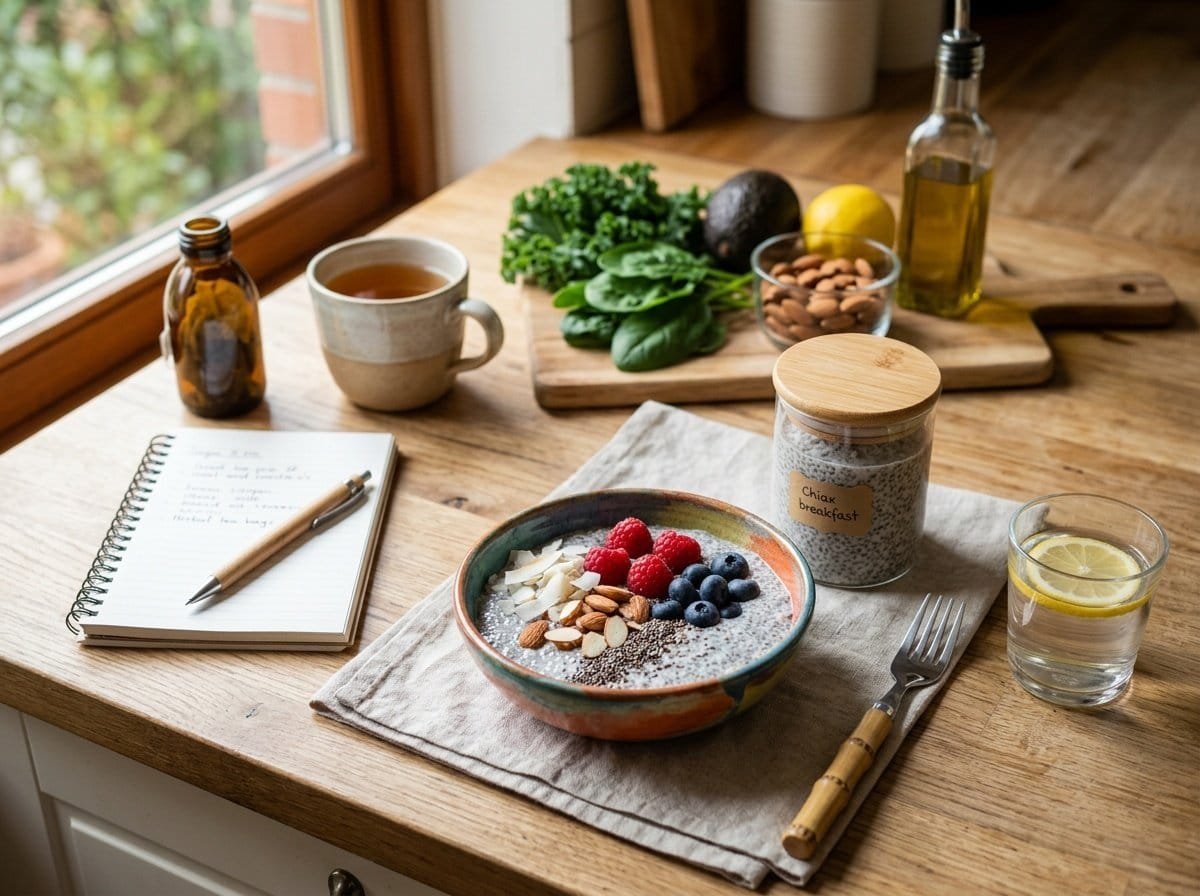
A great Day 3 breakfast is overnight oats (made with unsweetened oat milk, chia seeds, and a handful of blueberries) — it’s naturally sweet from the berries, hearty enough to stabilize blood sugar, and requires zero morning effort when you’ve prepped it the night before. For lunch, a warm lentil soup with whole grain bread is deeply comforting and surprisingly blood-sugar-friendly.
Supplement Support for Day 3
This is where a quality supplement can genuinely help. Magnesium is particularly useful — NIH’s Office of Dietary Supplements notes that many people don’t get enough magnesium from diet alone, and low intake has been associated with poorer blood sugar regulation, which can make cravings harder to manage. An adaptogenic supplement blend that supports cortisol balance can also ease the stress your body feels during withdrawal.
At Attain Supplements, we’ve thoughtfully formulated our products to support exactly these kinds of moments — when your body needs a little extra help bridging the gap between where you are and where you want to be. If you’d like extra support, my ashwagandha vs. rhodiola guide walks through the adaptogens I recommend for exactly these tougher, low-energy days.
Days 4 and 5: The Beautiful Turning Point
If you’ve made it to Day 4, please stop and acknowledge that — seriously. The hardest part is genuinely behind you, and most people start noticing real positive shifts right around this point. Clearer skin, better sleep, more stable energy, and a mood that doesn’t nosedive at 3pm — these are the rewards of getting through the first three days.
What’s Happening in Your Body
By Day 4, your insulin levels are becoming more regulated, and your body is beginning to more efficiently use fat as a fuel source. Your taste buds are also recalibrating — foods that didn’t taste sweet before may now taste noticeably so. A plain apple might surprise you with how satisfying it feels.
This is also when people start sleeping better. Without the blood sugar spikes and crashes that disturb sleep architecture, you may notice you’re falling asleep more easily and waking up feeling more rested. If you want to explore this connection further, my guide to balancing blood sugar levels goes deeper into the science.
What to Eat on Days 4 and 5
You can afford to get a little more creative with meals now that the worst is behind you. Try introducing naturally sweet foods more intentionally — roasted sweet potato, baked cinnamon apple slices, or a smoothie made with frozen mango (just half a cup), spinach, and unsweetened coconut milk. These satisfy the sweet tooth without spiking blood sugar the way refined sugar does.
- Breakfast: Greek yogurt bowl with walnuts, cinnamon, and sliced strawberries
- Lunch: Turkey and avocado lettuce wraps with a side of roasted chickpeas
- Dinner: Stir-fried tofu or chicken with lots of colorful vegetables and brown rice
- Snack: A small square of 85%+ dark chocolate (yes, this is allowed and encouraged!)
“Quitting sugar isn’t about depriving yourself — it’s about making space for the version of you that doesn’t need it to feel good.”
Handling Social Situations
Days 4 and 5 are often weekdays, but weekends can also fall here depending on when you start. Social eating is one of the biggest challenges when you’re on a sugar detox meal plan. My honest advice? You don’t have to announce your detox to everyone at the table. Simply focus on the savory options, drink sparkling water with lemon, and enjoy the company without making food the main event.
Day 6: Confidence and Clarity
By Day 6, something subtle but profound is usually happening — you’re starting to feel genuinely good. Not just “I survived” good, but actually energized, focused, and proud. This is the day when many people start thinking about how they want to eat after the detox ends, which is a really healthy and productive mindset to be in.
Noticing the Non-Scale Wins
The most meaningful benefits of reducing sugar rarely show up on a scale. Pay attention to the non-scale victories today: Is your skin looking clearer? Are you waking up without that groggy, sluggish feeling? Has the 3pm energy crash disappeared? These are the real markers of success, and they’re worth celebrating loudly.
Writing these down is something I always encourage readers to do. When you have a clear record of how good you felt on Day 6, you have a powerful reference point to return to whenever you’re tempted to slip back into old habits. You can also pair this with these morning habits for all-day energy to amplify the clarity you’re feeling.
Energy-Supporting Swaps for Day 6
Today is a great day to explore some of the longer-term swaps that can carry you well beyond this week. Think about which habitual sugary choices you might be ready to permanently reimagine:
| Sugar Habit | Satisfying Swap | Why It Works |
|---|---|---|
| Sweetened morning coffee | Cinnamon + oat milk latte | Cinnamon enhances sweetness perception naturally |
| Afternoon chocolate bar | 85% dark chocolate + almonds | Fat + magnesium satisfies craving with fewer sugar grams |
| Sweetened fruit yogurt | Full-fat plain Greek yogurt + berries | More protein, real fruit sweetness, gut-friendly probiotics |
| Fizzy sweet drink | Sparkling water + frozen fruit or mint | Satisfies the texture craving without any added sugar |
| Bedtime sweet snack | Warm almond milk with nutmeg and vanilla | Triggers the cozy comfort response without the blood sugar spike |
Day 7: Completion and What Comes Next
Day 7 is here and you absolutely deserve to feel proud. You navigated cravings, pushed through withdrawal, showed up for yourself consistently, and now your body and mind are functioning on a fundamentally different fuel. That matters enormously.
Celebrating Without Sugar (Seriously)
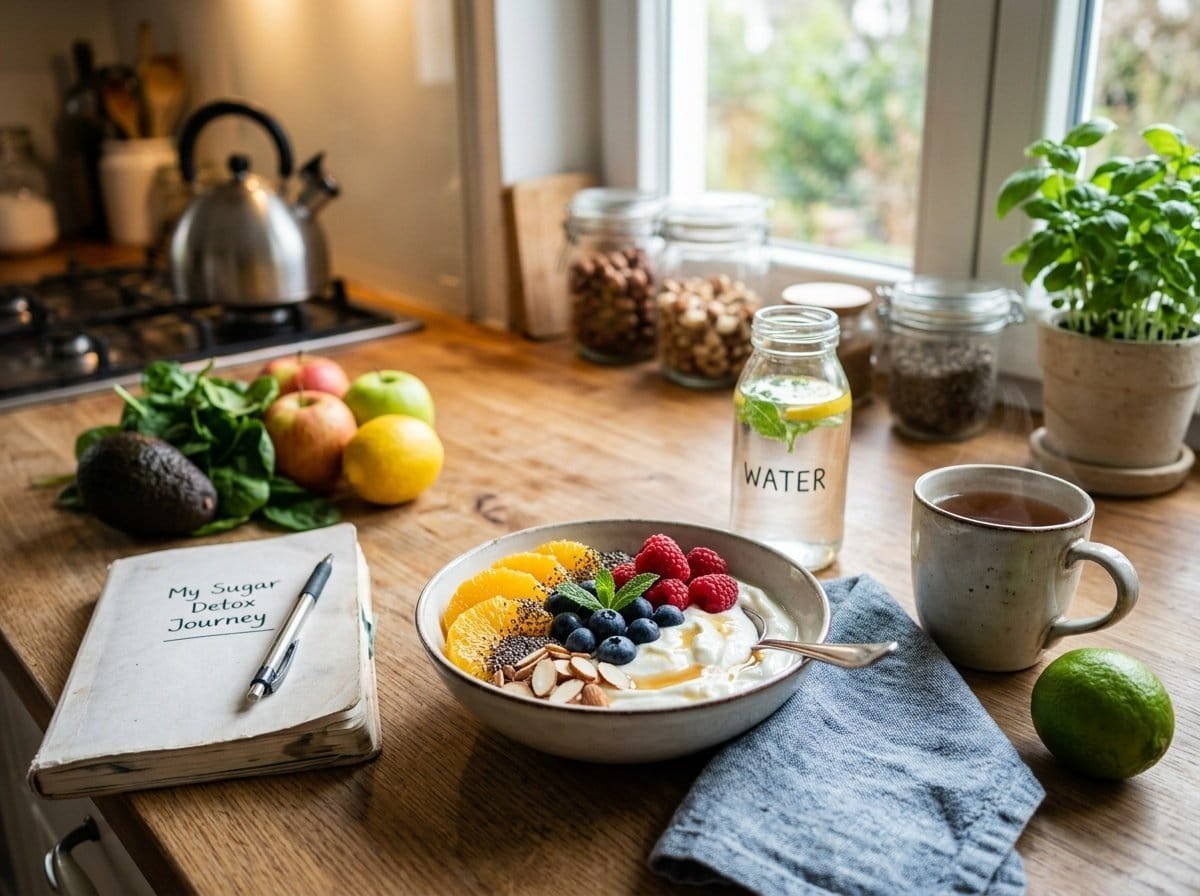
It might feel ironic to celebrate the end of a sugar detox without cake, but truly, the best reward is tuning into how different your body feels today versus seven days ago. Take a few minutes to journal — what has shifted? What surprised you? What do you want to keep doing beyond today?
For a genuinely satisfying Day 7 treat, try a bowl of frozen banana “nice cream” blended with a tablespoon of almond butter and a sprinkle of cacao nibs. It’s creamy, chocolatey, sweet, and completely free of added sugar. You’ll honestly forget it’s “healthy.”
Building Beyond the 7 Days
The most powerful thing you can do on Day 7 is decide — not restrict, but consciously decide — how you want to relate to sugar going forward. This doesn’t have to mean never having dessert again. It can simply mean having a clear baseline now: you know what it feels like to operate without it, and that awareness is yours to keep.
Some women choose to maintain an 80/20 approach after their detox — eating whole, low-sugar foods 80% of the time and leaving room for enjoyment the other 20%. Others find that they genuinely don’t crave it the way they used to, and that makes the decision easy. Either path is completely valid. For more support beyond Day 7, my anti-inflammatory foods list is a wonderful next step.
How to Handle Sugar Cravings Without Giving In
Learning how to quit sugar without cravings completely is probably unrealistic — cravings are a normal part of the human experience. But learning how to ride them out, outsmart them, and reframe them? That’s absolutely achievable, and it’s a skill that gets easier every single day you practice it.
The HALT Method
Before giving in to a craving, try asking yourself: Am I Hungry, Angry, Lonely, or Tired? These four states are the most common triggers for sugar cravings that aren’t actually about physical hunger. If you’re tired, a 10-minute rest might be more nourishing than anything you could eat. If you’re lonely, a two-minute text to a friend might satisfy the craving more completely than a biscuit ever could.
This isn’t about suppressing your needs — it’s about meeting them with precision. Sugar is often a very blunt tool for a very specific emotional need.
Physical Craving Busters
When the craving is genuinely physical — your blood sugar has dropped, you’re hungry, and your brain is screaming for glucose — the goal is to give your body what it actually needs: stable, sustained energy. Keep these craving-busting options on hand throughout your week:
- A tablespoon of almond or cashew butter straight from the spoon
- A hard-boiled egg (prep a batch at the start of the week)
- A small handful of mixed nuts and a few blueberries
- Herbal tea with a drop of vanilla extract — soothing and naturally slightly sweet
- A protein supplement shake made with unsweetened almond milk
Using Supplements Strategically
Chromium picolinate, L-glutamine, and berberine are three nutrients that research has linked to better blood sugar regulation and reduced carbohydrate cravings. They’re not magic bullets, but when combined with the meal strategies above, they can noticeably ease the transition. My supplements 101 guide walks through how to evaluate evidence behind supplements like these.
What a Typical Full Week of Meals Looks Like
One of the most frequent questions I get about any sugar detox meal plan is simply: “But what do I actually eat?” So let me give you a realistic, non-intimidating week overview that you can adapt to your own preferences, budget, and cooking ability.
Breakfast Ideas for the Week
Vary your breakfasts to prevent boredom, but keep the same principle: protein + fat + fiber, minimal added sweeteners.
- Scrambled eggs with avocado and cherry tomatoes
- Overnight oats with chia seeds, unsweetened almond milk, and raspberries
- Full-fat Greek yogurt with walnuts and cinnamon
- Smoked salmon on rye bread with cream cheese and cucumber
- Vegetable omelette with a side of fruit
Lunch and Dinner Staples
Lunch and dinner should be built around a quality protein source, a generous serving of non-starchy vegetables, and a small portion of complex carbohydrates. Batch cooking at the start of the week — a big pot of lentil soup, some roasted chicken thighs, a grain salad — makes these days significantly easier when willpower is lower.
- Nourish bowls with quinoa, roasted vegetables, tahini dressing
- Baked salmon with steamed greens and sweet potato mash
- Chicken and vegetable stir-fry with brown rice
- Lentil and vegetable curry (made with coconut milk, no added sugar)
- Turkey meatballs with zucchini noodles and a simple tomato sauce
Smart Snacking Strategy
The goal with snacks during a detox is not to snack mindlessly but to strategically prevent blood sugar drops between meals. Two intentional snacks per day — one mid-morning and one mid-afternoon — can keep energy and mood stable and dramatically reduce the likelihood of a craving emergency later in the day. Pair every snack with both protein and fat for the best blood sugar effect.
Frequently Asked Questions
How bad are sugar withdrawal symptoms, really?
They can feel pretty rough in the first 2–3 days — headaches, fatigue, irritability, and brain fog are the most common ones. The intensity varies depending on how much sugar you were consuming before. The reassuring news is that the peak is usually Day 2 or 3, and symptoms ease off significantly after that. Staying hydrated, eating balanced meals, and getting plenty of sleep helps a lot.
Can I eat fruit on a 7-day sugar detox plan?
Absolutely yes — whole fruit is not the enemy here. Fruit contains natural sugars, but it also comes packaged with fiber, antioxidants, and water, which slow glucose absorption significantly. Berries, apples, pears, and citrus fruits are particularly great choices during the week. What we’re cutting back on is added sugar, not nature’s own.
Will I lose weight during a sugar detox?
Many people do notice a change in how they feel in their body — less bloating, less puffiness, and sometimes a shift in weight — particularly from the reduction in water retention that accompanies lower insulin levels. But the primary goal of this plan is energy, clarity, and breaking the craving cycle, not weight loss. When you focus on feeling well, the rest often follows naturally.
What if I slip up and eat something sugary?
You get right back on the plan for your next meal. Genuinely. One slip doesn’t undo five days of progress — it’s not a detox “fail,” it’s just a moment. The all-or-nothing mindset is what causes most sugar detox attempts to fall apart entirely, so please be gentle with yourself. Acknowledge it, drink a big glass of water, and continue.
Is coffee allowed during the sugar detox?
Yes — unsweetened coffee and tea are perfectly fine. In fact, a morning coffee or matcha latte made with unsweetened plant milk can be a genuinely helpful ritual during the tougher days. The key is simply removing any added sugar or flavored syrups. If you usually have a very sweet coffee, try gradually reducing the sweetness over Days 1 and 2 rather than going cold turkey on that front too.
How do I know if a sugar detox is right for me?
If you regularly experience afternoon energy crashes, intense sweet cravings, mood swings before meals, disrupted sleep, or brain fog, there’s a good chance your blood sugar regulation could benefit from a reset. That said, if you have any health conditions — especially diabetes or a history of eating disorders — please speak with your healthcare provider before starting any kind of structured nutrition plan.
What happens after the 7 days are up?
The goal is never to stay on a strict detox forever — it’s to recalibrate your baseline so that sugar has less power over your choices going forward. Most people find a gentle 80/20 approach works beautifully after the detox: whole, low-sugar foods most of the time, with genuine enjoyment of treats occasionally and intentionally. You’ll likely find your portion of “treats” naturally shrinks because your cravings will too.
You’ve got everything you need to make this week a turning point. Seven days is such a small slice of your life, and the way you’ll feel on the other side of it — clearer, more energized, more in control — is absolutely worth every craving you push through. Remember, this isn’t about being perfect; it’s about being consistent enough to feel the difference. I’m cheering for you every single day of this journey, and so is the Attain Supplements community. You’ve got this — now go show sugar who’s really in charge. 💛
Related Articles
- Anti-Inflammatory Foods List — the foods to add during and after your detox to lock in the anti-inflammatory benefits
- How to Lower Cortisol Naturally — excess sugar is a major driver of elevated cortisol through blood sugar instability
- Gut Health and Nutrition — how reducing sugar reshapes your microbiome within weeks



Leave a Reply