
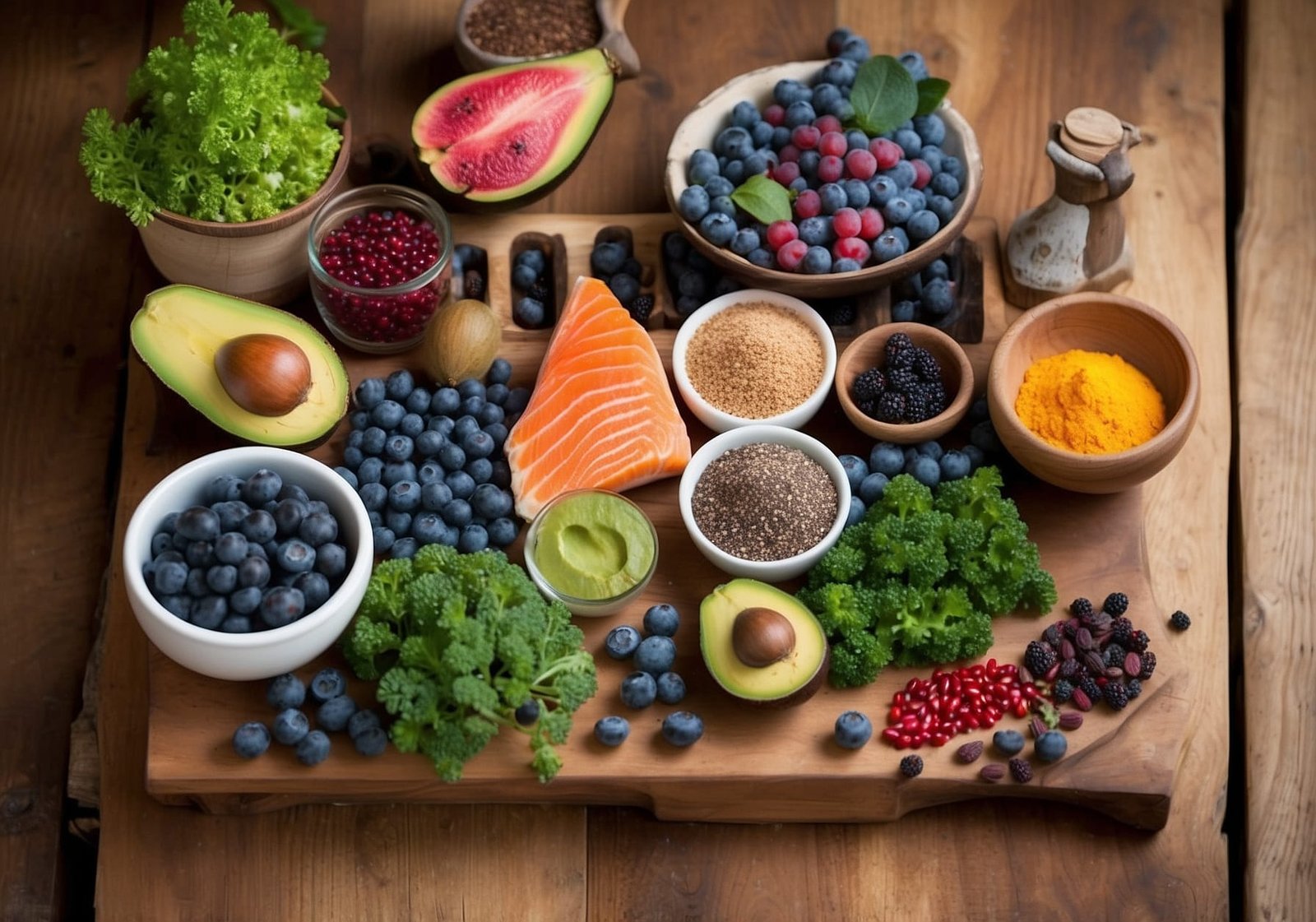
In recent years, the term “superfoods” has become increasingly popular, and for good reason. These foods are not just any ordinary ingredients; they are packed with an array of nutrients that can significantly enhance your health, improve your immunity, and even reduce the risk of chronic diseases. The concept of superfoods is rooted in the idea that certain foods, due to their high nutrient density, can provide exceptional health benefits when incorporated into your diet.
Incorporating superfoods into your daily meals can have a profound impact on your overall well-being. From boosting your immune system to supporting heart health and reducing the risk of various diseases, these foods are a powerful addition to any diet. This article aims to highlight some of the key superfoods, their nutritional benefits, and practical tips on how to include them in your daily meals.
What Are Superfoods?
Superfoods are foods that are exceptionally rich in nutrients, including antioxidants, vitamins, minerals, and other essential compounds. These foods are often characterized by their high density of beneficial nutrients, making them stand out from other foods. Antioxidants, for example, play a crucial role in protecting cells from damage caused by free radicals, which can contribute to aging and various diseases.
Vitamins and minerals in superfoods support a wide range of bodily functions, from energy production and immune function to the maintenance of healthy skin, hair, and eyes. For instance, vitamin C is known for its immune-boosting properties, while vitamin E is important for skin health and protecting against cell damage.
Categories of Superfoods
Berries
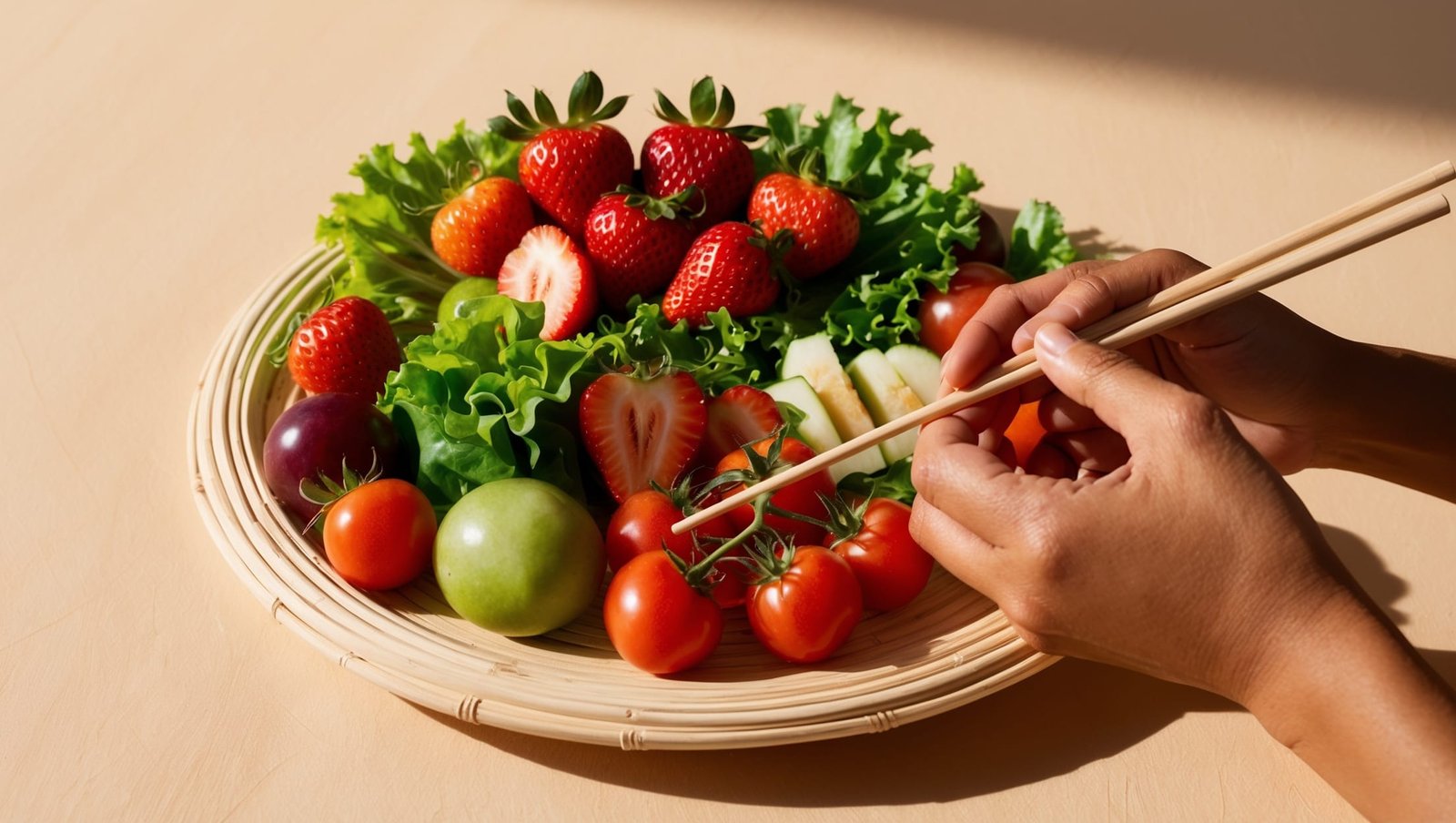
Berries are one of the most celebrated categories of superfoods, and for good reason. Blueberries, strawberries, raspberries, and other berries are packed with antioxidants, particularly vitamin C and flavonoids. These compounds help protect against oxidative stress and inflammation, which can reduce the risk of chronic diseases such as heart disease and certain types of cancer.
- Add berries to your yogurt or oatmeal for a nutritious breakfast.
- Blend them into smoothies.
- Enjoy them as a healthy dessert.
Leafy Greens
Leafy greens such as kale, spinach, and Swiss chard are nutritional powerhouses. These vegetables are rich in vitamins A, C, E, and K, as well as fiber and several minerals like calcium and iron. The high content of antioxidants and other nutrients in leafy greens makes them excellent for supporting immune function and overall health.
- Add them to salads.
- Sauté them with garlic and ginger for a quick side dish.
- Blend them into smoothies.
- Use spinach in soups, pasta dishes, or as a wrap instead of traditional tortillas.
Nuts and Seeds
Nuts and seeds are another category of superfoods that offer a wealth of health benefits. Almonds, walnuts, flaxseeds, and chia seeds are rich in healthy fats, proteins, and fiber. These nutrients support heart health, help regulate blood sugar levels, and provide a feeling of fullness, making them an excellent snack.
- Add them to oatmeal or yogurt for extra crunch and nutrition.
- Use them as a topping for salads.
- Blend them into smoothies.
- A handful of almonds or a spoonful of chia seeds can be a satisfying snack.
Whole Grains
Whole grains such as quinoa, oats, and barley are rich in fiber, B vitamins, and various minerals. These nutrients are essential for maintaining healthy digestion, supporting energy production, and reducing the risk of chronic diseases like heart disease and diabetes.
- Start your day with oatmeal.
- Use whole grain pasta instead of refined pasta.
- Try quinoa as a side dish.
- Use whole grains to make nutritious bread and cereals.
Fish and Seafood
Fish rich in omega-3 fatty acids, such as salmon, tuna, and mackerel, are renowned for their health benefits. These fatty acids are crucial for heart health, brain function, and immune system support. They also have anti-inflammatory properties, which can help reduce the risk of chronic diseases.
- Grill or bake fish for a healthy main course.
- Add ground flaxseeds or chia seeds to meals as a plant-based source of omega-3 fatty acids.
Cruciferous Vegetables
Cruciferous vegetables like broccoli, Brussels sprouts, and cabbage are packed with fiber, vitamins, and phytochemicals. These compounds have numerous health benefits, including supporting detoxification, reducing inflammation, and protecting against certain types of cancer.
- Add them to stir-fries.
- Steam or roast cruciferous vegetables as a side dish.
- Include them in soups and stews.
Practical Tips for Incorporating Superfoods into Your Diet
Now that you know the benefits of superfoods and how to incorporate them into your diet, here are some practical tips to get you started:
- Plan Ahead: Make a weekly meal plan that includes a variety of superfoods.
- Start Small: Begin by adding one or two superfoods to your meals each day.
- Experiment with Recipes: Try new recipes that feature superfoods to keep your meals interesting.
- Batch Cooking: Prepare meals in bulk that include superfoods, so you have healthy options ready to go.
- Snack Smart: Choose superfoods as snacks, such as a piece of fruit, a handful of nuts, or a smoothie.
Incorporating superfoods into your daily diet doesn’t have to be complicated. By making small changes and being mindful of your food choices, you can enjoy the numerous health benefits these nutrient-dense foods have to offer.
Conclusion
Incorporating superfoods into your diet is a powerful way to boost your health and well-being. Whether it’s enjoying a bowl of fresh berries, adding leafy greens to your meals, or snacking on nuts and seeds, there are many delicious and simple ways to make superfoods a daily habit. So, why not start today? Remember, every small step you take towards a healthier diet can make a big difference in your overall health. Happy eating!