
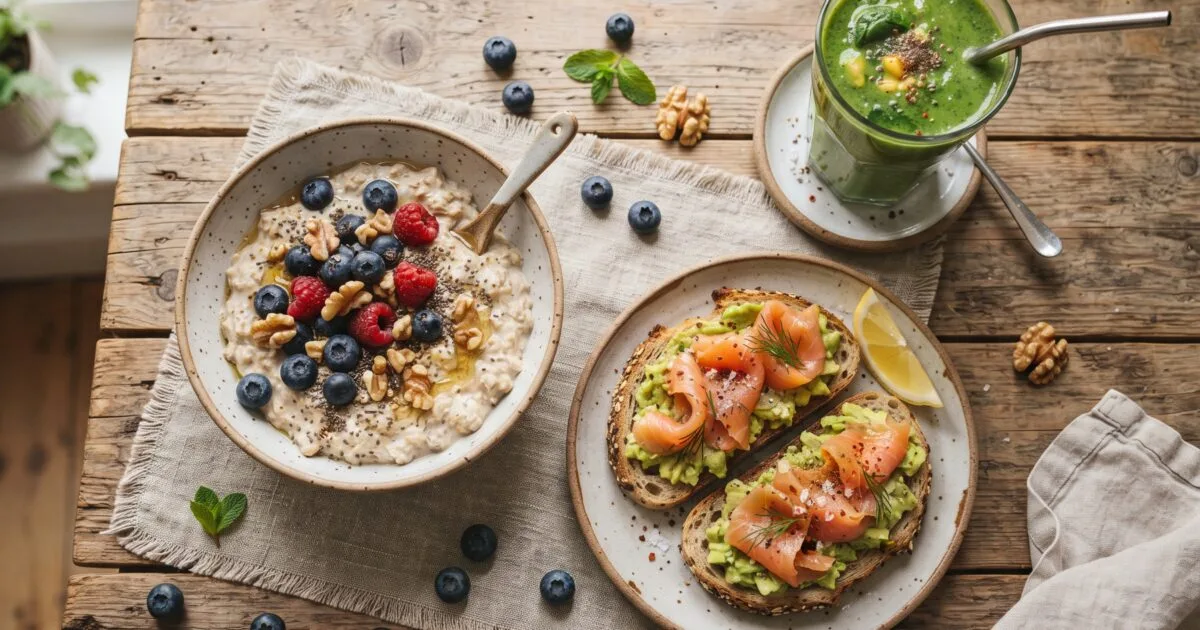
I used to think an "anti-inflammatory breakfast" meant choking down something green and joyless before 7 a.m. It doesn’t. It just means building your morning plate around foods that calm inflammation instead of fueling it — and skipping the ones that do the opposite.
What actually makes a breakfast anti-inflammatory
Chronic, low-grade inflammation is linked to a long list of conditions, including heart disease, type 2 diabetes, and even mood and cognitive changes, according to Harvard Health Publishing. Their research points to two clear categories: foods that tend to fuel inflammation (refined carbohydrates, fried foods, sugary drinks, red and processed meat) and foods that tend to calm it (leafy greens, berries, nuts, olive oil, and fatty fish).
Breakfast is an easy place to start, mostly because the default American breakfast — cereal, pastries, sweetened coffee drinks — sits squarely in the "fuels inflammation" column. You don’t need to overhaul your whole diet. You just need a handful of go-to swaps.
10 anti-inflammatory breakfast ideas
1. Berry and walnut overnight oats. Rolled oats, plain yogurt, a splash of milk, mixed berries, and a spoonful of walnuts, left in the fridge overnight. Oats provide fiber and berries bring polyphenols, the plant compounds Harvard Health highlights as protective against inflammation.
2. Two-egg veggie scramble with spinach and tomato. Eggs aren’t the villain 1990s nutrition science made them out to be, and spinach and tomato are both on the "foods that fight inflammation" list. Cook in olive oil rather than butter for an extra anti-inflammatory boost.
3. Salmon and avocado toast. Smoked salmon on whole-grain toast with mashed avocado is one of the simplest ways to get real omega-3s at breakfast. The National Institutes of Health’s Office of Dietary Supplements notes that fatty fish like salmon, mackerel, and sardines are among the best food sources of omega-3 fatty acids, which are tied to lower markers of inflammation in multiple studies.
4. Greek yogurt with chia seeds and blueberries. Chia seeds are a plant source of omega-3s, and blueberries are one of the specific fruits Harvard Health calls out for their antioxidant and polyphenol content.
5. Turmeric and ginger smoothie. Blend frozen banana, spinach, a thumb of fresh ginger, a pinch of turmeric, and unsweetened almond milk. Adding a pinch of black pepper helps your body absorb turmeric’s active compound, curcumin.
6. Whole-grain toast with almond butter and sliced apple. Nuts and nut butters have been associated with reduced inflammatory markers and lower cardiovascular risk in research Harvard Health cites, and apples bring fiber and polyphenols of their own.
7. Steel-cut oatmeal with cinnamon and pumpkin seeds. Steel-cut oats digest more slowly than instant oats, which helps avoid the blood sugar spikes that can contribute to inflammation over time. Cinnamon and pumpkin seeds add flavor without added sugar.
8. Cottage cheese with pineapple and walnuts. A higher-protein option that pairs well with pineapple’s vitamin C and walnuts’ plant-based omega-3s.
9. Green tea and a small handful of almonds. If you’re not a breakfast-food person some mornings, green tea’s polyphenols and coffee’s own anti-inflammatory compounds are both mentioned in Harvard Health’s review of protective beverages.
10. Sweet potato and black bean breakfast bowl. Roasted sweet potato, black beans, avocado, and a squeeze of lime. Sweet potatoes are rich in beta-carotene, and beans bring fiber and plant protein without the saturated fat of a traditional breakfast meat.
What to leave off your plate
The flip side matters just as much as what you add. Harvard Health’s research flags refined carbohydrates (white bread, pastries), fried foods, sugar-sweetened beverages, red and processed meat, and foods high in margarine or shortening as the ones most consistently linked to higher inflammation. You don’t have to eliminate these forever — but a breakfast built around them most days is working against you, not for you.
A realistic way to start
Pick two or three of these ideas that fit your actual morning — not the one you wish you had. Rotating in a berry-and-oats breakfast three mornings a week and an egg-and-veggie scramble the other two is a completely reasonable, sustainable place to start. Small, repeatable swaps beat a perfect week you can’t keep up.
If you want a deeper dive into which specific foods do the most work here, our complete anti-inflammatory foods list breaks down 30+ options by category, and our guide to anti-inflammatory herbs and spices covers the pantry staples worth adding beyond breakfast.
FAQ
Is oatmeal anti-inflammatory?
Yes, particularly steel-cut or rolled oats. Oats are a whole grain rich in fiber, which is associated with lower inflammatory markers, and they digest more slowly than refined grains, which helps avoid the blood sugar spikes linked to increased inflammation.
Are eggs anti-inflammatory or pro-inflammatory?
Eggs are generally considered neutral to mildly beneficial for most people. They’re not on Harvard Health’s list of foods that fight inflammation, but they’re also not on the list of foods that fuel it. What you cook them in and pair them with (olive oil and vegetables versus butter and processed meat) matters more than the eggs themselves.
How fast can an anti-inflammatory diet reduce inflammation?
Research timelines vary widely depending on what’s being measured and the person’s starting point, and no breakfast change alone will "cure" inflammation. Consistent dietary patterns over weeks to months, not a single meal, are what the research on anti-inflammatory eating actually supports.
This article is for educational purposes and isn’t a substitute for personalized medical or nutrition advice. If you have a chronic health condition or are managing inflammation related to a diagnosed condition, talk with your doctor or a registered dietitian before making significant changes to your diet.



Leave a Reply