
Inflammation is at the root of nearly every chronic disease — heart disease, type 2 diabetes, arthritis, depression, and more. But here’s the good news: what you eat has a profound and measurable effect on your body’s inflammatory state. The right foods can reduce inflammatory markers within weeks. The wrong ones can keep inflammation simmering for years.
This is the most complete anti-inflammatory foods list you’ll find — organized by category, with the science behind each one, a grocery shopping guide, what foods to actively avoid, and a 7-day anti-inflammatory meal plan to put it all into practice.
What Is Inflammation — and Why Does It Matter?
Inflammation is your immune system’s response to injury, infection, or perceived threat. Short-term (acute) inflammation is protective — it’s what heals a cut or fights off a virus. The problem is chronic, low-grade inflammation: a persistent, under-the-radar immune activation driven largely by diet, stress, poor sleep, and environmental toxins.
Chronic inflammation elevates markers like C-reactive protein (CRP), interleukin-6 (IL-6), and TNF-alpha in your blood. These markers are independently predictive of heart disease, metabolic syndrome, cognitive decline, and autoimmune conditions. The Mediterranean diet — one of the most anti-inflammatory eating patterns studied — is associated with a 25–35% reduction in CRP levels over 12 weeks.
The Complete Anti-Inflammatory Foods List
Fatty Fish
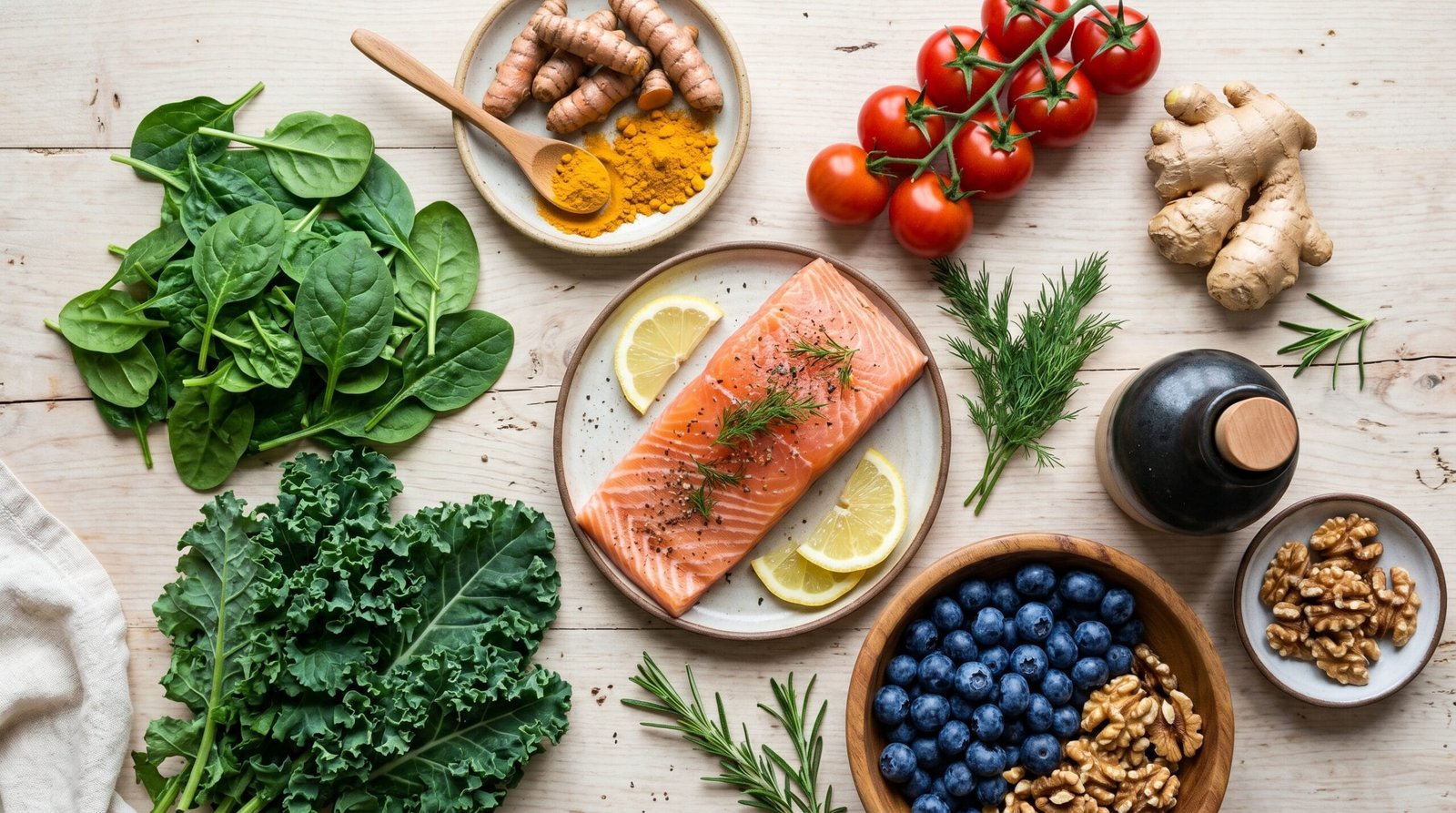
Fatty fish are the most potent anti-inflammatory foods available, thanks to their high content of omega-3 fatty acids — specifically EPA (eicosapentaenoic acid) and DHA (docosahexaenoic acid). These omega-3s are directly converted into resolvins and protectins, compounds that actively resolve inflammation at the cellular level.
- Salmon — wild-caught Atlantic or sockeye; 1,500–2,500mg omega-3 per 3oz serving
- Sardines — one of the highest omega-3 sources pound-for-pound; also rich in vitamin D
- Mackerel — exceptionally high omega-3 content; choose Atlantic mackerel over king mackerel (lower mercury)
- Anchovies — tiny but powerful; great in sauces and dressings
- Herring — often overlooked, but one of the richest sources of anti-inflammatory fats
- Tuna — particularly albacore; choose canned in water; limit to 2–3 servings per week due to mercury
Target: 2–3 servings of fatty fish per week for meaningful reduction in inflammatory markers.
Berries
Berries are packed with anthocyanins — the pigments responsible for their deep red, blue, and purple colors — which are among the most potent anti-inflammatory plant compounds identified in nutrition research. A 2012 study in the Journal of Nutrition found that regular berry consumption significantly reduced markers of oxidative stress and inflammation.
- Blueberries — exceptionally high anthocyanin content; fresh or frozen equally effective
- Strawberries — high in vitamin C and ellagic acid; shown to reduce CRP levels
- Raspberries — rich in ellagitannins and quercetin
- Blackberries — among the highest antioxidant-scoring fruits (ORAC)
- Tart cherries — notable for reducing exercise-induced inflammation and muscle soreness; also contain melatonin
- Açaí — very high anthocyanin content, though fresh form is rare outside of South America
Leafy Green Vegetables
Dark leafy greens deliver vitamins K, A, and C alongside flavonoids and carotenoids — a combination that suppresses multiple inflammatory pathways simultaneously. Vitamin K specifically inhibits inflammatory cytokines, and people with higher vitamin K intake consistently show lower CRP levels.
- Spinach — high in flavonoids and iron; anti-inflammatory and immune-supporting
- Kale — one of the most nutrient-dense foods per calorie; rich in quercetin and kaempferol
- Swiss chard — excellent source of magnesium (deficiency linked to higher inflammation)
- Arugula — high in glucosinolates; peppery compounds with anti-inflammatory properties
- Collard greens — a top source of vitamin K1; particularly valuable for cardiovascular inflammation
- Bok choy — rich in folate and vitamin C; supports detoxification pathways that reduce inflammatory burden
Cruciferous Vegetables
Cruciferous vegetables contain sulforaphane — a sulfur compound that activates the Nrf2 pathway, one of the body’s most powerful antioxidant defense systems. Sulforaphane has been shown in multiple studies to reduce NF-κB activity, a key regulator of the inflammatory response.
- Broccoli — highest sulforaphane content of any food; lightly steamed preserves more than fully cooked
- Brussels sprouts — kaempferol shown to decrease inflammatory markers in clinical studies
- Cauliflower — high in choline, which reduces inflammation in fat tissue
- Cabbage — fermented (as sauerkraut) adds probiotic benefit to cruciferous anti-inflammatory properties
- Broccoli sprouts — contain 50–100× more sulforaphane than mature broccoli; small amounts go a long way
Healthy Fats and Oils
The type of fat you consume has a direct and dramatic effect on your inflammatory state. Omega-3 fats are anti-inflammatory; oxidized or trans fats actively promote inflammation. Monounsaturated fats — the primary fat in olive oil and avocados — occupy a neutral-to-beneficial position.
- Extra virgin olive oil (EVOO) — oleocanthal, the polyphenol responsible for EVOO’s peppery taste, has an anti-inflammatory mechanism similar to ibuprofen; associated with significant reductions in CRP. Use for dressings and low-heat cooking.
- Avocados — rich in oleic acid and phytosterols; shown to lower LDL oxidation and reduce inflammatory markers after meals
- Avocado oil — high smoke point makes it the better choice for high-heat cooking
- Flaxseed oil — excellent plant-based source of ALA (alpha-linolenic acid); do not heat
Nuts and Seeds
- Walnuts — the highest plant omega-3 (ALA) content of any nut; also contain ellagitannins converted to gut-protective urolithins
- Almonds — high in vitamin E (a fat-soluble antioxidant); shown to reduce CRP in clinical trials
- Chia seeds — excellent omega-3 to omega-6 ratio; 5g ALA per 2 tbsp serving
- Flaxseeds — contain lignans with additional anti-inflammatory and hormone-balancing properties; must be ground to absorb
- Hemp seeds — complete protein plus an ideal 3:1 omega-6 to omega-3 ratio
- Pumpkin seeds — high in magnesium and zinc, both anti-inflammatory minerals frequently deficient in modern diets
Spices and Herbs
Spices contain concentrated phytochemicals that, gram for gram, have some of the highest anti-inflammatory activity of any foods measured.
- Turmeric — curcumin, turmeric’s active compound, has been shown in over 100 clinical trials to reduce CRP and other inflammatory markers; absorption increases 2,000% when paired with black pepper (piperine)
- Ginger — gingerols and shogaols inhibit the same inflammatory enzymes (COX-1 and COX-2) targeted by NSAIDs; shown to reduce muscle soreness and joint pain
- Cinnamon — cinnamaldehyde reduces NF-κB inflammatory activity; also improves insulin sensitivity (reducing a major driver of chronic inflammation)
- Garlic — allicin and organosulfur compounds suppress multiple pro-inflammatory pathways; raw garlic has greater potency than cooked
- Rosemary — carnosic acid and rosmarinic acid are potent antioxidants; also has antimicrobial properties
- Oregano — one of the highest ORAC scores of any herb; carvacrol and thymol are its primary anti-inflammatory agents
Whole Grains
Unlike refined grains (white rice, white bread, pasta) which spike blood sugar and drive inflammatory responses, whole grains deliver fiber that feeds anti-inflammatory gut bacteria and reduces systemic CRP levels. That fiber is acting as a prebiotic, which is worth understanding if you’re deciding between prebiotics and probiotics.
- Oats — beta-glucan fiber directly reduces LDL and CRP; also feeds Lactobacillus and Bifidobacterium species
- Quinoa — complete protein; contains quercetin and kaempferol; technically a seed but eaten as a grain
- Brown rice — higher in fiber, magnesium, and lignans than white rice
- Barley — highest beta-glucan content of any grain; exceptional cholesterol and inflammation reducing effects
- Farro — ancient grain with higher protein and fiber than modern wheat varieties
Legumes
- Black beans — high anthocyanins (the anti-inflammatory pigments found in berries) in a legume form
- Lentils — excellent fiber and polyphenol content; shown to reduce CRP in multiple studies
- Chickpeas — high saponin content with demonstrated anti-inflammatory effects; base of anti-inflammatory hummus
- Edamame — rich in isoflavones with anti-inflammatory properties, especially relevant for hormonal inflammation
- Kidney beans — among the highest antioxidant ORAC scores of any common food
Green Tea and Beverages
- Green tea — EGCG (epigallocatechin gallate) is one of the most studied anti-inflammatory polyphenols; associated with reduced risk of cardiovascular disease and certain cancers
- Matcha — powdered green tea; contains the entire leaf, delivering 10× more EGCG than brewed green tea
- Tart cherry juice — notable for reducing exercise-induced inflammation; shown to improve sleep quality via melatonin content
- Bone broth — rich in glycine, an amino acid that directly suppresses inflammatory cytokine production
Fermented Foods
The gut microbiome is a primary regulator of systemic inflammation. A 2021 Stanford study published in Cell found that a high-fermented-food diet significantly increased microbiome diversity and decreased 19 inflammatory proteins, including IL-6 (a key inflammatory cytokine). The effect was greater than a high-fiber diet alone. There’s a lot of overlap with immune support here, too — most of the superfoods with the best evidence behind them for immunity turn up somewhere on this list as well.
- Yogurt (plain, live cultures) — Lactobacillus strains directly reduce intestinal inflammation
- Kefir — more diverse probiotic content than yogurt; may benefit gut inflammation in those with IBS
- Sauerkraut — fermented cabbage; combines cruciferous anti-inflammatory compounds with live cultures
- Kimchi — Korean fermented vegetables; anti-inflammatory and shown to reduce body fat and BMI in clinical studies
- Miso — fermented soy paste; contains anti-inflammatory isoflavones and diverse probiotic bacteria
- Kombucha — fermented tea; contains organic acids and probiotics; choose low-sugar varieties
Other Notable Anti-Inflammatory Foods
- Dark chocolate (70%+ cacao) — flavanols reduce endothelial inflammation and lower CRP; 1–1.5oz daily associated with cardiovascular benefits
- Tomatoes — lycopene is a potent anti-inflammatory carotenoid; cooked tomatoes (canned, sauce, paste) release more lycopene than raw
- Beets — betalains (the red pigments) are powerful anti-inflammatory compounds; also boost nitric oxide production
- Sweet potatoes — high beta-carotene content; also provide slow-digesting carbohydrates that don’t spike blood sugar
- Bell peppers (especially red) — highest vitamin C content of any vegetable; quercetin reduces histamine-related inflammation
- Pomegranate — punicalagins and punicic acid are uniquely potent anti-inflammatories found almost exclusively in pomegranate
- Mushrooms — particularly lion’s mane, reishi, and shiitake; beta-glucans modulate immune activity and reduce inflammatory signaling
If you want more mushroom variety than the occasional sautéed shiitake, a daily blend is the easy shortcut. I like Attain’s Mushroom Monster 10X Blend ($22.99) for this because it combines lion’s mane, reishi, shiitake, and seven other mushrooms in one capsule instead of asking you to stock ten different jars. Disclosure: Attain Supplements is part of our family of brands, so we may earn from purchases made through this link.
Anti-Inflammatory Herbs and Spices
Herbs and spices deserve a mention of their own, because they’re the cheapest change on this entire page. You don’t have to overhaul your shopping to use more of them — you just have to open the cupboard. Gram for gram, dried herbs and spices are among the most polyphenol-dense things in an ordinary kitchen.
The ones I keep in rotation are turmeric, ginger, garlic, Ceylon cinnamon, cloves, rosemary, oregano, thyme, sage, cayenne, black pepper and parsley. Because there’s a lot to say about what the research does and doesn’t support for each of them, I’ve given them their own guide: anti-inflammatory herbs and spices covers sixteen of them, the honest gap between a study dose and a dinner dose, how to keep them potent, and the safety notes on supplements and drug interactions.
Two things worth carrying over here. First, if you use cinnamon daily rather than occasionally, buy Ceylon rather than the cassia sold in most supermarkets — cassia contains coumarin, which can affect the liver, and some products contain a lot of it. Second, pair turmeric with black pepper and a little fat; curcumin is poorly absorbed on its own, and that combination is the difference between a nice colour and an actual contribution.
The Anti-Inflammatory Foods List at a Glance
If you want the whole list in one scannable block — to save, screenshot, or print from your browser and stick inside a cupboard door — here it is.
| Category | Eat regularly | Limit |
|---|---|---|
| Fish & seafood | Salmon, sardines, mackerel, anchovies, herring, oysters | Battered and deep-fried fish |
| Vegetables | Spinach, kale, broccoli, Brussels sprouts, cabbage, peppers, beetroot, tomatoes | — |
| Fruit | Blueberries, strawberries, cherries, oranges, kiwi, pomegranate, apples | Fruit juice, dried fruit with added sugar |
| Fats & oils | Extra virgin olive oil, avocado, olives | Industrial seed oils, trans fats, partially hydrogenated oils |
| Nuts & seeds | Walnuts, almonds, pumpkin seeds, flaxseed, chia, hemp hearts | Heavily salted or candied nuts |
| Whole grains | Oats, barley, quinoa, brown rice, buckwheat, wholegrain bread | White bread, pastries, refined breakfast cereals |
| Legumes | Lentils, chickpeas, black beans, kidney beans | — |
| Fermented foods | Live-culture yoghurt, kefir, sauerkraut, kimchi, miso | Sweetened flavoured yoghurts |
| Herbs & spices | Turmeric, ginger, garlic, Ceylon cinnamon, cloves, rosemary, oregano, thyme, sage, cayenne, black pepper, parsley | — |
| Drinks | Green tea, water, coffee in moderation | Sugar-sweetened drinks, excessive alcohol |
| Protein | Fish, poultry, eggs, legumes, tofu | Processed meats — bacon, salami, hot dogs |
| Sweeteners | Whole fruit, small amounts of honey or maple syrup | Refined sugar, high-fructose corn syrup |
One honest caveat about the “limit” column: none of these foods are forbidden, and treating them that way tends to backfire. The pattern across a week is what matters, not any single meal. And if you’d rather have these foods as actual meals than as a list, my immune-boosting smoothie and recipe collection is the practical companion to this page.
Inflammatory Foods to Avoid
Anti-inflammatory eating isn’t just about adding the right foods — it’s equally about removing the foods that actively promote inflammation. These are the biggest dietary drivers of chronic inflammation:
The Top 20 Inflammatory Foods (and How They Spike Cytokines)
Every food on this list has been shown to raise one or more inflammatory markers — CRP, IL-6, TNF-alpha, or NF-κB signaling — the same pathways discussed above, just running in reverse. Cytokines are the small signaling proteins your immune cells release to coordinate a response; a healthy diet keeps them at baseline, while the foods below push them higher than they need to be, day after day.
- White bread and other refined-flour products. Rapid blood-glucose spikes trigger a measurable rise in IL-6 and TNF-alpha within hours.
- White rice in excess. Same high-glycemic mechanism as refined flour — swap in the whole grains above when you can.
- Sugary soda and sweetened beverages. Fructose is metabolized in the liver and is one of the most consistent dietary drivers of elevated CRP.
- Corn oil. Extremely high in omega-6 linoleic acid, which skews your omega-6-to-omega-3 ratio toward inflammation.
- Soybean oil. The most common source of excess omega-6 in the American diet; found in most packaged and fried foods.
- Sunflower and safflower oil. Both high in linoleic acid; fine occasionally, problematic as a daily cooking staple.
- Margarine and shortening. Older, partially hydrogenated versions contain trans fats that directly activate inflammatory gene expression.
- French fries and other deep-fried foods. Repeated high-heat frying generates advanced glycation end-products (AGEs) that trigger cytokine release.
- Fried chicken and other breaded, fried proteins. Combines oxidized frying oil with a refined-flour coating — a double inflammatory hit.
- Bacon. Nitrates plus saturated fat are consistently linked to elevated CRP in observational studies.
- Hot dogs. Processed meat with nitrates and preservatives associated with higher circulating TNF-alpha.
- Deli and lunch meats. High sodium and nitrates on top of the processing itself.
- Sausages. Saturated fat and curing byproducts stack on top of each other here too.
- Doughnuts. Refined sugar and industrial frying fat together — one of the most inflammatory combinations you can eat.
- Pastries and cakes. Refined flour, added sugar, and industrial fats in one package.
- Potato chips and packaged snack foods. Acrylamide (formed during high-heat processing) plus industrial seed oils.
- Regular, high-sugar ice cream. The sugar-plus-saturated-fat combination has been shown to spike IL-6 within a single sitting.
- White pasta in excess. Same glycemic-spike mechanism as white bread and white rice.
- Sweetened breakfast cereals. Added sugar on refined grains first thing in the morning sets an inflammatory tone for the day.
- Excess alcohol. Disrupts the gut barrier, allowing endotoxins (LPS) to leak into the bloodstream and trigger TNF-alpha release.
You don’t need to eliminate every item above forever — the goal is simply to make these the exception rather than the daily default, and to notice how much of your plate is coming from the anti-inflammatory list above instead.
Ultra-Processed Foods
Ultra-processed foods (packaged snacks, fast food, processed meats) are formulated with combinations of refined flour, industrial seed oils, artificial additives, and excessive sugar — a perfect inflammatory storm. A 2019 study following 44,000 adults found that each 10% increase in ultra-processed food consumption was associated with a significant increase in overall mortality risk, primarily through inflammatory pathways.
Industrial Seed Oils
Corn, soybean, sunflower, safflower, and “vegetable” oil are extremely high in omega-6 linoleic acid. While omega-6s aren’t inherently bad, the modern diet has pushed our omega-6 to omega-3 ratio from the ideal 4:1 to as high as 20:1 in many people. This imbalance is one of the primary dietary drivers of systemic inflammation. Avoid: canola oil, corn oil, sunflower oil, soybean oil, and any product containing “vegetable oil.” Replace with: extra virgin olive oil, avocado oil, and coconut oil.
Refined Sugars and High-Fructose Corn Syrup
Excess sugar drives inflammation through multiple pathways: it raises blood glucose (triggering an inflammatory insulin response), promotes AGEs (advanced glycation end-products that directly damage tissue), and feeds pro-inflammatory gut bacteria while starving beneficial species. High-fructose corn syrup is metabolized primarily in the liver and is particularly linked to liver inflammation and elevated uric acid.
Refined Carbohydrates
White bread, white rice, pasta, and pastries are rapidly digested into glucose, causing blood sugar spikes that activate inflammatory pathways. The glycemic load of a meal — not just the carbohydrate content — is what matters most. Choose whole grain versions that digest slowly and come with fiber, B vitamins, and minerals.
Trans Fats and Partially Hydrogenated Oils
Artificial trans fats (partially hydrogenated oils) are the most consistently inflammatory dietary fat identified in research — they raise LDL, lower HDL, and directly activate inflammatory gene expression. While banned in many countries, “partially hydrogenated oil” still appears on some labels. Check ingredient lists on baked goods, crackers, and processed snacks.
Excessive Alcohol
While moderate red wine consumption (1 glass/day) may have modest anti-inflammatory benefits from resveratrol, heavier alcohol consumption is a significant pro-inflammatory driver. It disrupts the gut barrier, promotes endotoxin leakage into the bloodstream, and elevates liver inflammatory enzymes.
Processed Meats
Bacon, hot dogs, deli meats, and sausages are consistently linked to elevated inflammatory markers, likely due to their content of nitrates, saturated fat, advanced glycation end-products formed during high-heat processing, and sodium. The WHO classifies processed meats as Group 1 carcinogens (known to cause cancer) — primarily through inflammatory mechanisms.
7-Day Anti-Inflammatory Meal Plan
Use this as a starting template — and if you want ten more ready-to-go breakfast options beyond what’s in Day 1 below, my anti-inflammatory breakfast ideas guide has a full week’s worth on rotation. The goal here is variety — each color of produce represents different anti-inflammatory phytochemicals, so eating a wide range maximizes protection.
Day 1
Breakfast: Oatmeal with blueberries, walnuts, and a sprinkle of cinnamon
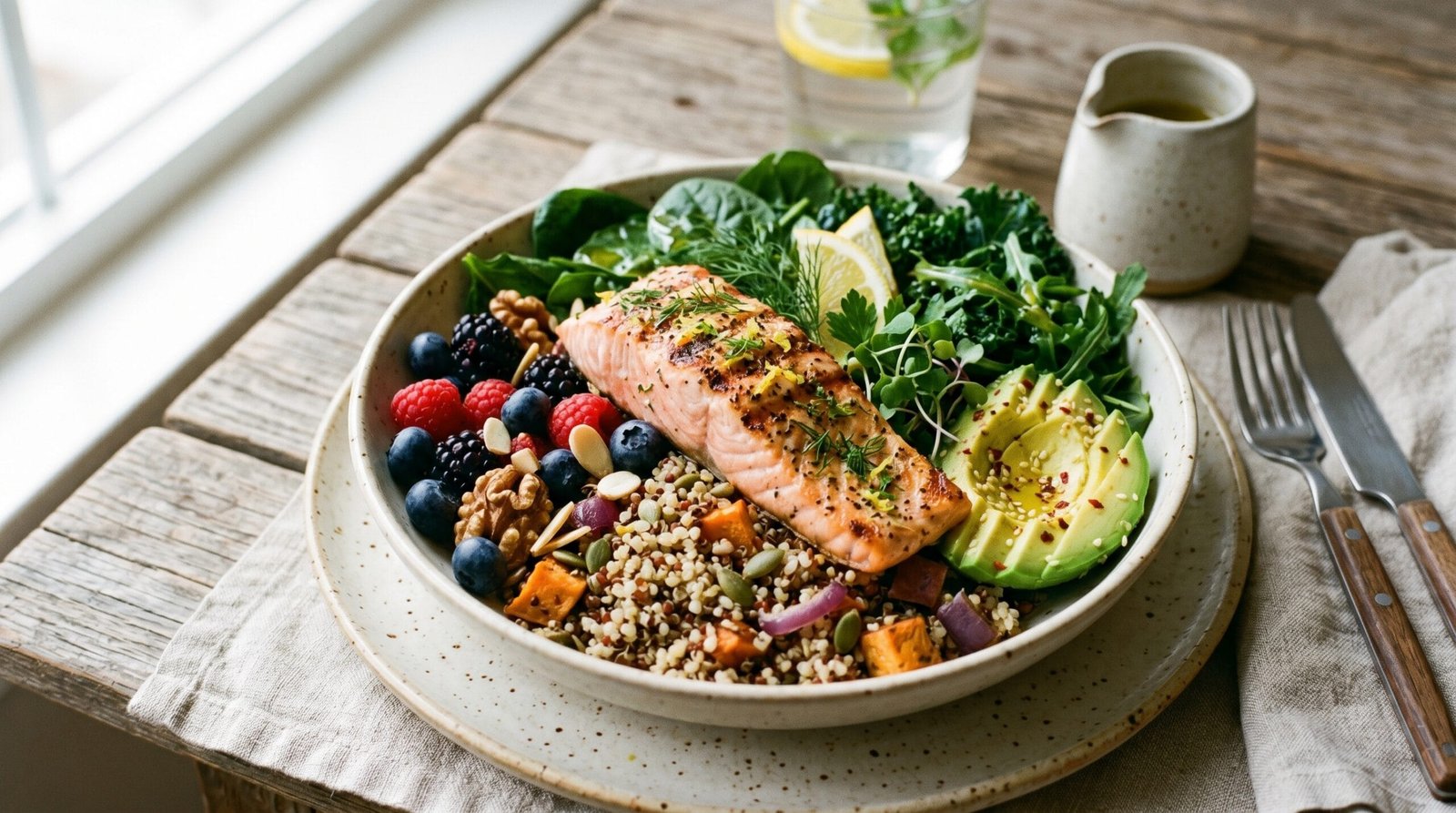
Lunch: Large spinach salad with canned salmon, avocado, cherry tomatoes, and olive oil/lemon dressing
Dinner: Baked salmon with roasted broccoli, sweet potato, and turmeric-ginger sauce
Snack: 1oz dark chocolate + a small handful of almonds
Day 2
Breakfast: Greek yogurt parfait with raspberries, ground flaxseed, and hemp seeds
Lunch: Lentil and vegetable soup with crusty whole grain bread
Dinner: Stir-fry with shiitake mushrooms, bok choy, garlic, ginger, and tempeh over brown rice
Snack: Apple slices with almond butter
Day 3
Breakfast: Scrambled eggs with spinach, tomatoes, and turmeric; green tea
Lunch: Chickpea and roasted red pepper wrap in a whole grain tortilla with hummus and arugula
Dinner: Grilled mackerel with sautéed kale, garlic, lemon, and quinoa
Snack: Tart cherry juice (4oz) + a small handful of walnuts
Day 4
Breakfast: Chia pudding (chia seeds + kefir) topped with blackberries and pumpkin seeds
Lunch: Beet and orange salad with arugula, feta, and olive oil/balsamic dressing
Dinner: Turkey (or chicken) with roasted Brussels sprouts, carrots, and rosemary
Snack: Matcha latte (matcha + almond milk, no sugar)
Day 5
Breakfast: Smoothie — kale, frozen blueberries, banana, chia seeds, ginger, almond milk
Lunch: Black bean and sweet potato bowl with avocado, kimchi, and lime
Dinner: Sardines on whole grain toast with tomatoes, capers, and a large mixed salad
Snack: Bell pepper strips with guacamole
Day 6
Breakfast: Whole grain waffles topped with strawberries, a drizzle of honey, and plain Greek yogurt
Lunch: Miso soup with tofu, seaweed, and green onion; edamame on the side
Dinner: Baked cod with sautéed Swiss chard, garlic, lemon, and barley pilaf
Snack: Pomegranate seeds with a small piece of dark chocolate
Day 7
Breakfast: Shakshuka — eggs poached in a spiced tomato and pepper sauce; whole grain pita
Lunch: Large mixed salad with roasted chickpeas, cucumber, bell peppers, olive oil, and oregano
Dinner: Grilled salmon with asparagus, a large spinach salad, and turmeric rice
Snack: Kefir with a sprinkle of cinnamon
Anti-Inflammatory Eating: Practical Tips
- Aim for 5+ colors per day. Each pigment (red lycopene, blue/purple anthocyanins, orange beta-carotene, green chlorophyll) represents different anti-inflammatory phytochemicals. More variety = broader protection.
- Cook with olive oil and garlic together. The combination delivers synergistic anti-inflammatory benefits, and fat improves absorption of fat-soluble anti-inflammatory compounds.
- Add turmeric with black pepper. Never use turmeric without it — piperine increases curcumin absorption by 2,000%.
- Eat fatty fish twice a week minimum. Two weekly servings of fatty fish provides enough EPA/DHA to meaningfully shift your omega-3 to omega-6 ratio.
- Frozen berries are equally effective. Freezing preserves anthocyanin content. Keep frozen blueberries, raspberries, and cherries stocked for smoothies and oatmeal.
- Read ingredient lists, not just nutrition labels. Watch for “partially hydrogenated oil,” “high fructose corn syrup,” and “vegetable oil” — the three biggest inflammatory ingredients in processed foods.
FAQ
What is the strongest anti-inflammatory food?
What reduces inflammation quickly?
What foods lower CRP levels?
What drink reduces inflammation?
What foods increase inflammatory cytokines?
What are the best anti-inflammatory herbs and spices?
Is there a printable version of this anti-inflammatory food list?
How long does it take for an anti-inflammatory diet to work?
The Bottom Line
An anti-inflammatory diet isn’t a specific protocol or a short-term cleanse — it’s a way of eating that reduces your body’s baseline inflammatory load over time. The foundation is straightforward: eat more fatty fish, colorful vegetables, berries, olive oil, nuts, seeds, and fermented foods; eat less sugar, refined grains, industrial seed oils, and ultra-processed foods.
You don’t need to overhaul everything at once. Start with the highest-leverage changes: swap your cooking oil to extra virgin olive oil, add one serving of fatty fish per week, and eat a large leafy green salad daily. Those three changes alone will measurably shift your inflammatory markers within 4–6 weeks.
⚕️ Disclaimer: This article is for general informational and educational purposes only and is not a substitute for professional medical advice, diagnosis, or treatment. Always consult a qualified healthcare provider before making changes to your diet, exercise, supplement, or wellness routine. Read our full medical disclaimer.

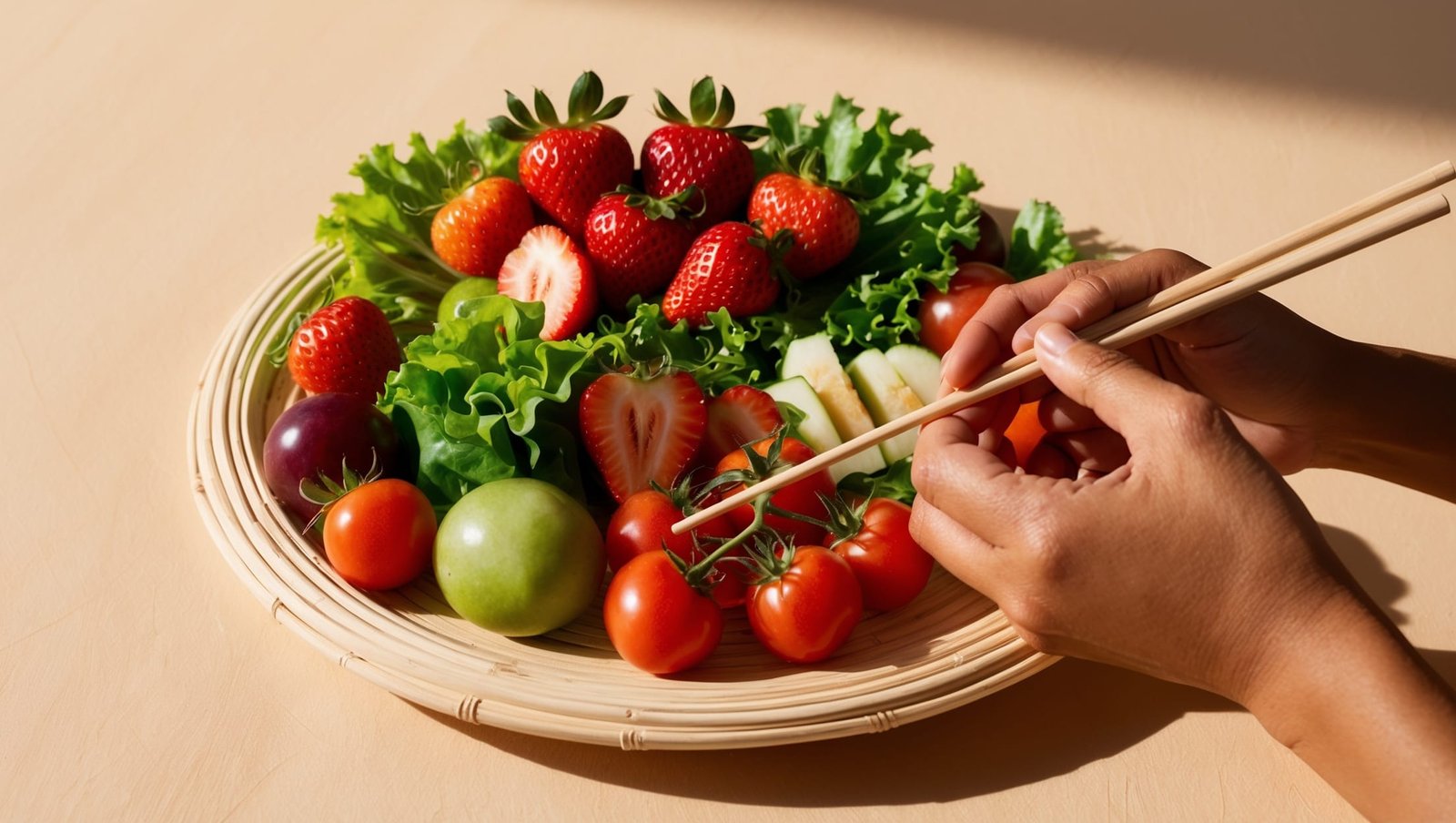
[…] meals with protein, fiber, and healthy fats, and don’t go too long without eating. Including anti-inflammatory foods — fatty fish, leafy greens, berries, nuts, and olive oil — gives your body steady fuel and […]
[…] When your microbes ferment prebiotic fibers like inulin, fructooligosaccharides (FOS), and resistant starch, the SCFAs they produce lower the pH of your colon (making it inhospitable to problematic species), strengthen the gut barrier, and dial down chronic low-grade inflammation — the same background inflammation I cover in my anti-inflammatory foods guide. […]
[…] olive oil, fibre, not much ultra-processed food — plus sleep, movement and stress. My full anti-inflammatory foods list covers that ground properly, and the antioxidant-rich foods piece overlaps heavily with this […]
[…] Your body has a defense system made of cells and proteins that fight off viruses and bacteria. Eating foods rich in antioxidants and specific vitamins helps that system work as it should. Below are the foods I come back to again and again, why they help, and how I actually use them. For a deeper dive into the diet-inflammation connection that underlies a lot of this, see my anti-inflammatory foods list. […]