

Do you ever notice that your stomach seems to knot up right before a stressful meeting, or that your mood completely tanks on the days your digestion feels off? If you’ve been brushing those experiences off as coincidence, I want you to know — there is real, fascinating science behind exactly what you’re feeling.
In this post, we’re diving deep into the gut brain connection and anxiety, unpacking how your digestive system and your emotional health are far more intertwined than most of us ever learned. You’ll walk away with a clear understanding of why your gut matters so much for your mood, plus practical, doable steps to start healing both at the same time.
Key Takeaways
- Your gut and brain communicate constantly via the gut-brain axis, a two-way biochemical superhighway that shapes your mood, cognition, and emotional resilience.
- Up to 95% of your serotonin is produced in the gut — making microbiome health absolutely central to how you feel mentally.
- Imbalances in gut bacteria (dysbiosis) are directly linked to anxiety, depression, brain fog, and low mood.
- The vagus nerve is the physical communication channel connecting your gut and brain, and you can actively stimulate it to reduce stress.
- Fermented foods, prebiotic fiber, anti-inflammatory eating, and stress management are the most evidence-backed ways to improve gut-brain health together.
- Small, consistent dietary and lifestyle shifts — not a perfect overhaul — are what create lasting mental and digestive wellness.
What Is the Gut-Brain Axis? Understanding the Connection
The phrase gut-brain axis sounds incredibly scientific, but the concept is beautifully simple once you break it down. It refers to the complex, bidirectional communication network that links your gastrointestinal tract with your central nervous system — meaning your gut and your brain are literally talking to each other, all day, every day.
This isn’t just metaphorical. There are actual biochemical pathways, nerve fibers, and hormonal signals constantly shuttling information between these two organs. Understanding this system is the first step toward healing both your digestion and your mental health from the root cause.
The Enteric Nervous System: Your Second Brain
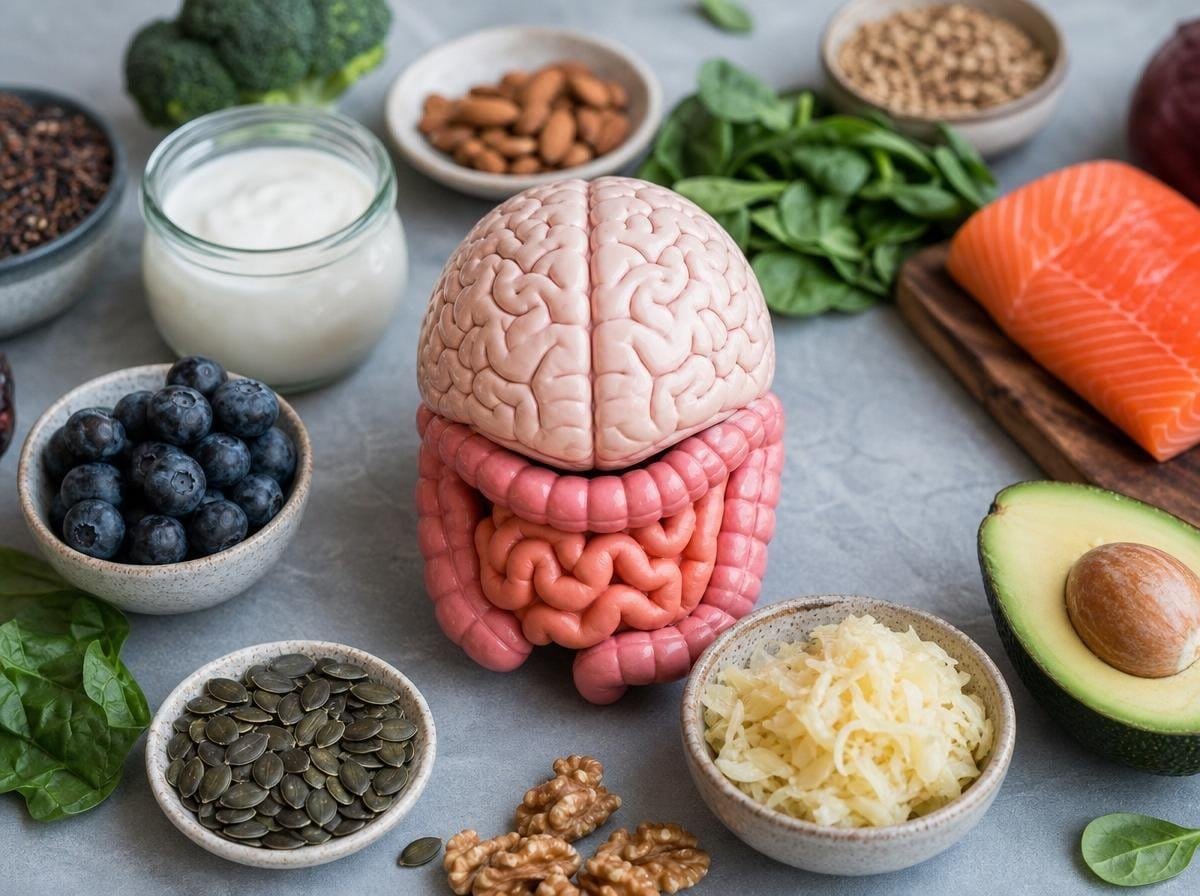
Your gut contains what scientists call the enteric nervous system (ENS) — a vast network of over 500 million neurons lining your gastrointestinal tract. This is why you’ll often hear the gut referred to as the “second brain.” It can operate largely independently of your central nervous system, regulating digestion, secreting hormones, and responding to environmental signals without waiting for instructions from your head.
The ENS communicates up to the brain via multiple pathways, including neural, immune, and endocrine routes. When something disrupts the gut environment — whether it’s poor diet, chronic stress, or antibiotic use — those disrupted signals travel upward and begin influencing how you think, feel, and cope emotionally.
Why “How Gut Health Affects Mood” Is More Than a Trend
The question of how gut health affects mood has moved from fringe wellness circles into mainstream neuroscience research. Studies published in journals like Nature Microbiology and Psychiatry Research have found strong associations between altered gut microbiomes and diagnosed conditions including generalized anxiety disorder, major depressive disorder, and even autism spectrum conditions.
This isn’t a wellness buzzword. It’s a paradigm shift in how we understand mental health — one that puts your daily food choices, sleep habits, and stress levels right at the center of emotional wellbeing.
The Role of the Vagus Nerve in Gut-Brain Communication
If the gut-brain axis is the communication network, then the vagus nerve is the main highway running through it. This remarkable cranial nerve is the longest in your body, wandering from your brainstem all the way down through your neck, chest, and abdomen — touching your heart, lungs, and gut along the way.
Approximately 80–90% of the information traveling along the vagus nerve is flowing upward, from gut to brain. That means your gut is constantly sending status updates to your nervous system, influencing everything from your stress response to your emotional regulation.
Vagal Tone and Emotional Resilience
Vagal tone refers to the activity level of the vagus nerve, and higher vagal tone is associated with better emotional regulation, lower inflammation, and greater resilience to stress. People with low vagal tone tend to experience more anxiety, depression, and difficulties recovering from emotional challenges.
The beautiful thing? You can improve your vagal tone. Activities like deep diaphragmatic breathing, cold water exposure, humming, singing, and — crucially — nurturing your gut microbiome all support stronger vagal tone. Your lifestyle choices are directly shaping this nerve’s ability to keep you calm and clear-headed.
Stress, the Vagus Nerve, and Gut Disruption
Here’s where the cycle gets tricky. Chronic stress reduces vagal tone, which impairs gut function — slowing motility, increasing intestinal permeability (“leaky gut”), and disrupting microbial balance. That disrupted gut then sends distress signals back up through the vagus nerve, amplifying feelings of anxiety and low mood. It’s a feedback loop that can keep you stuck unless you actively intervene at multiple points.
This is exactly why a root-cause approach to mental wellness has to include your gut. Addressing only the psychological side of anxiety while ignoring your digestive health is like trying to fill a bucket that has a hole in the bottom.
Neurotransmitters: Why Your Gut Makes Most of Your “Happy Chemicals”
Most people associate neurotransmitters like serotonin and dopamine with the brain — and while they do act there, a significant portion of their production happens somewhere else entirely. This is one of the most eye-opening pieces of gut-brain science, and it changes everything about how we approach mental wellness.
Serotonin: The Gut’s Most Important Mood Chemical
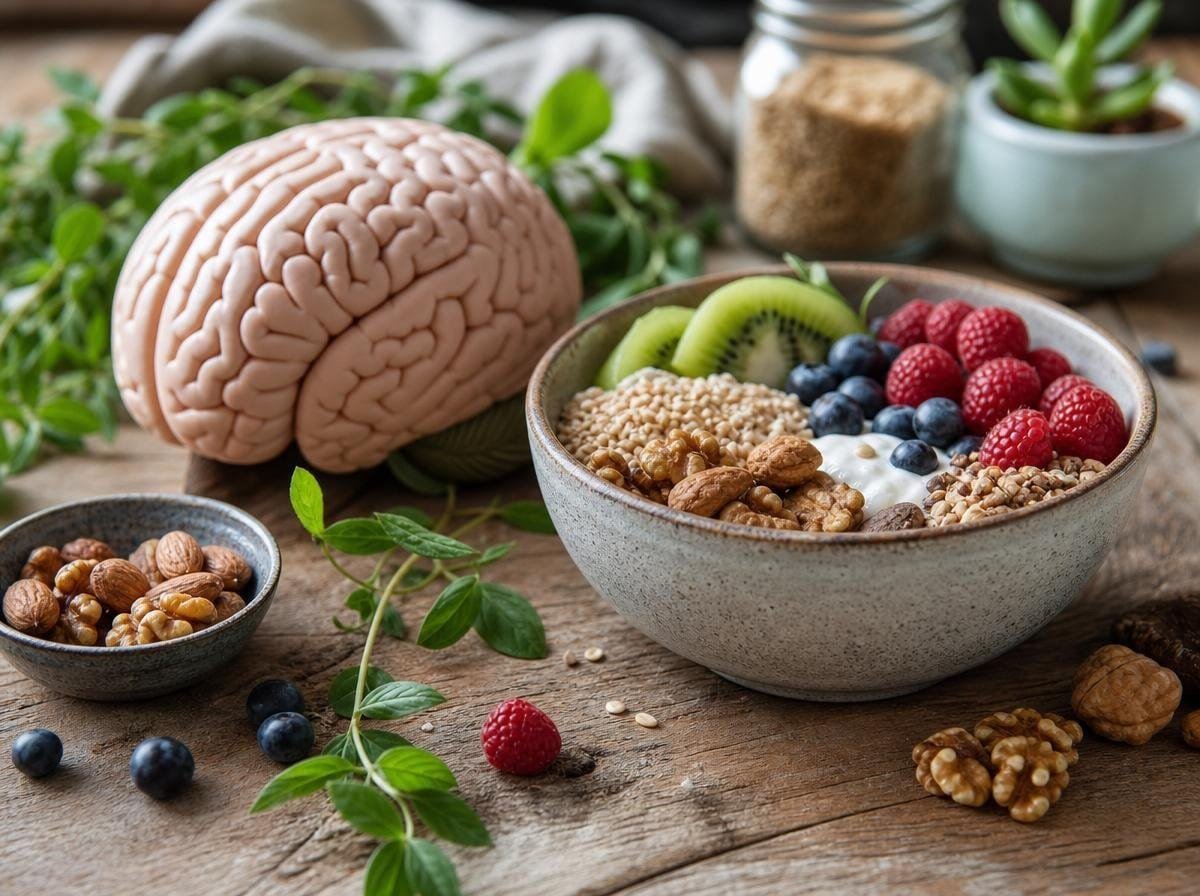
Approximately 90–95% of your body’s serotonin is produced by specialized cells in the gut lining called enterochromaffin cells — and this production is heavily influenced by the composition of your gut microbiome. When your microbial balance is off, serotonin synthesis is disrupted, contributing to low mood, irritability, and poor sleep quality.
Certain gut bacteria, including species of Lactobacillus and Bifidobacterium, actively support serotonin production. When these beneficial species are depleted — through a high-sugar diet, antibiotics, or chronic stress — your serotonin factory takes a hit. This is a concrete, biochemical reason why digestive issues and mood struggles so often travel together.
GABA, Dopamine, and Short-Chain Fatty Acids
GABA (gamma-aminobutyric acid), the brain’s primary calming neurotransmitter, is also produced in the gut by certain Lactobacillus species. Low GABA activity is strongly linked to anxiety and insomnia. Meanwhile, dopamine — your motivation and reward chemical — is also influenced by gut microbial health through precursor availability and inflammatory signaling.
Additionally, when beneficial gut bacteria ferment dietary fiber, they produce short-chain fatty acids (SCFAs) like butyrate, propionate, and acetate. These SCFAs cross the blood-brain barrier, reduce neuroinflammation, support mood regulation, and even influence gene expression related to stress responses. Feeding your good bacteria with fiber isn’t just good for digestion — it’s literally feeding your brain chemistry.
“Your gut isn’t just digesting your lunch — it’s quietly producing the chemistry that shapes how you feel, think, and move through the world.”
Gut Dysbiosis: When Microbial Imbalance Drives Anxiety and Depression
Dysbiosis is the term for an imbalance in the gut microbiome — too many harmful bacteria and not enough beneficial ones. This imbalance is increasingly recognized as a contributing factor in anxiety, depression, brain fog, and chronic low mood, and understanding how it develops is key to reversing it.
Common Causes of Gut Dysbiosis
Dysbiosis rarely has a single cause. It develops over time through a combination of lifestyle and environmental factors:
- High-sugar, ultra-processed diet — feeds harmful bacteria and yeasts while starving beneficial strains
- Antibiotic use — necessary sometimes, but broadly disrupts microbial diversity
- Chronic psychological stress — alters gut motility and microbial composition
- Poor sleep — disrupts the circadian rhythms of gut bacteria
- Sedentary lifestyle — reduces microbial diversity
- Excessive alcohol — feeds harmful bacteria and damages the gut lining
- Low-fiber diet — starves the beneficial bacteria that depend on prebiotic fiber
The Leaky Gut–Brain Inflammation Link
One of the most significant consequences of dysbiosis is intestinal hyperpermeability, or “leaky gut.” When the tight junctions in your gut lining weaken, bacterial byproducts called lipopolysaccharides (LPS) can enter the bloodstream. The immune system responds with systemic inflammation — and this inflammation crosses into the brain, triggering what researchers call “neuroinflammation.”
Neuroinflammation is now considered a major underlying driver of depression and anxiety. It impairs neurotransmitter synthesis, disrupts the HPA axis (your stress response system), and contributes to the physical feelings of fatigue, mental fog, and emotional numbness that so many people struggling with mood disorders describe. The connection between anti-inflammatory foods and reduced fatigue is very real — and it starts in the gut.
Foods That Heal the Gut and Lift Your Mood
This is where things get genuinely exciting, because the power to shift your gut-brain chemistry is largely on your plate. The research on how to improve mental health through gut health consistently points to several key dietary strategies that work together to rebuild microbial diversity, reduce inflammation, and support neurotransmitter production.
Fermented Foods: Nature’s Probiotic Powerhouses
Fermented foods are among the most direct ways to introduce beneficial bacteria into your gut. They work differently from the fiber that feeds those bacteria, a distinction I break down in prebiotics vs probiotics. A landmark 2021 Stanford study found that a high-fermented-food diet significantly increased microbiome diversity and reduced markers of immune activation — within just ten weeks.
- Plain Greek yogurt or kefir — rich in Lactobacillus species
- Kimchi and sauerkraut — fermented vegetables teeming with diverse beneficial strains
- Miso and tempeh — fermented soy products with both probiotic and protein benefits
- Kombucha — fermented tea with organic acids and live cultures (choose low-sugar varieties)
I try to include at least one fermented food daily — usually a spoonful of kimchi alongside lunch or a small glass of kefir in the morning. It doesn’t need to be complicated or expensive.
Prebiotic Fiber: Feeding Your Good Bacteria
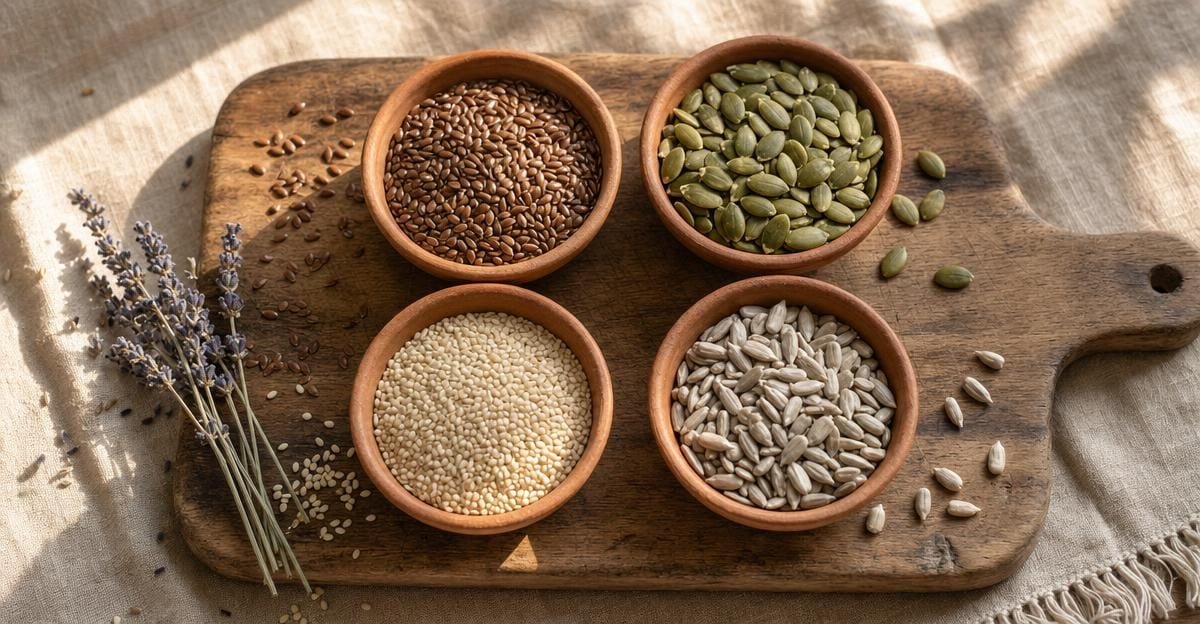
Prebiotic fiber is the food your beneficial gut bacteria thrive on, and most of us aren’t eating nearly enough of it. Rich sources include garlic, onions, leeks, asparagus, Jerusalem artichokes, green bananas, oats, and flaxseeds. These foods encourage the growth of beneficial Bifidobacterium and Lactobacillus species and boost SCFA production — directly supporting brain health and mood stability.
The Gut-Mood Superfood Comparison
| Food | Gut Benefit | Mood/Brain Benefit | How to Use It |
|---|---|---|---|
| Kefir | Diverse probiotic strains, gut lining support | Linked to reduced anxiety scores in studies | Morning smoothie base or drink straight |
| Sauerkraut | Restores microbial diversity | Supports GABA-producing bacteria | Side dish, add to salads or grain bowls |
| Garlic & Onion | Rich prebiotic inulin fiber | Boosts SCFA production for neuroinflammation reduction | Cook into almost any savory dish |
| Wild-caught salmon | Omega-3s reduce gut inflammation | Supports serotonin and dopamine signaling | 2-3 servings per week |
| Dark leafy greens | Fiber + magnesium for gut motility | Magnesium supports GABA receptors and reduces cortisol | Daily — spinach, kale, Swiss chard |
| Blueberries | Polyphenols feed beneficial bacteria | Anthocyanins reduce neuroinflammation and cognitive decline | Handful daily in yogurt or oats |
Foods to Minimize for Better Gut-Brain Health
Equally important is knowing what to reduce. Ultra-processed foods, refined sugars, and artificial sweeteners are among the most disruptive forces on your gut microbiome. Sugar in particular feeds harmful bacteria and yeasts, drives inflammation, and causes the blood sugar spikes and crashes that tank your mood and energy. If cutting back on sugar feels daunting, the 7-day sugar detox plan is a wonderfully gentle way to start.
Lifestyle Practices That Strengthen the Gut-Brain Axis
Food is foundational, but it doesn’t work in isolation. The gut-brain axis is also powerfully shaped by how you sleep, move, manage stress, and structure your days. These lifestyle factors directly influence microbial composition, vagal tone, and the inflammatory environment your neurotransmitters are produced in.
Sleep: Your Gut’s Overnight Reset
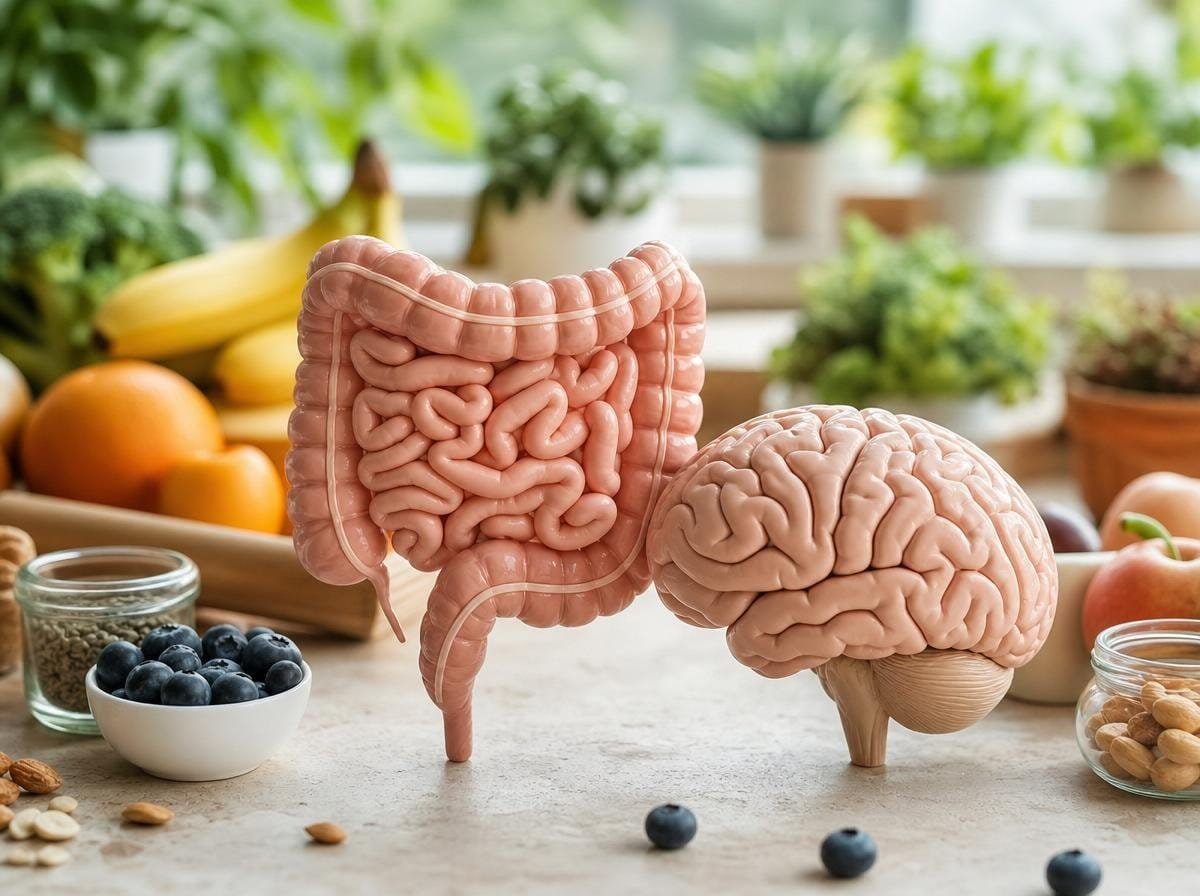
Your gut microbiome follows a circadian rhythm — the same internal clock that governs your sleep-wake cycle. When sleep is disrupted or insufficient, microbial diversity drops, gut permeability increases, and cortisol stays elevated, creating a cascade of negative effects on both digestion and mental health. Prioritizing 7–9 hours of quality sleep isn’t just good self-care — it’s directly supporting your gut bacteria’s ability to keep your mood stable.
Creating a consistent wind-down routine, minimizing blue light exposure in the evening, and going to bed at a regular time are all meaningful steps. Pair this with some of the morning habits that genuinely boost energy and you’ll start to feel a noticeable shift in both digestion and emotional resilience.
Exercise and Microbial Diversity
Regular physical activity is one of the most reliable ways to increase gut microbial diversity — independent of diet. Research has shown that athletes have significantly more diverse gut microbiomes than sedentary individuals, and that this diversity correlates with better mood and lower rates of depression.
You don’t need to run marathons. Even moderate exercise — 30 minutes of walking, cycling, yoga, or swimming most days — creates meaningful changes in microbial composition. Movement also directly stimulates the vagus nerve via the gut-muscle connection, helping to reduce anxiety and promote emotional regulation.
Stress Management and the HPA Axis
Chronic psychological stress triggers the HPA axis (hypothalamic-pituitary-adrenal axis), flooding the body with cortisol. Cortisol disrupts gut motility, reduces microbial diversity, and increases intestinal permeability — setting the stage for dysbiosis and mood dysregulation. Practices like diaphragmatic breathing, meditation, journaling, and spending time in nature actively reduce HPA axis activation and give your gut-brain axis a chance to reset.
If you’re finding it hard to know where to begin, building a sustainable self-care routine that actually sticks can make the biggest difference — especially when it’s built around small, consistent habits rather than ambitious overhauls.
Supplements That Support the Gut-Brain Connection
While food and lifestyle are the foundation, certain targeted supplements can offer meaningful additional support for the gut-brain axis. These are especially useful during periods of high stress, post-antibiotic recovery, or when dietary changes alone haven’t been enough to shift your mood and digestive health. Magnesium is usually the first one worth looking at, and I’ve walked through the evidence, the best forms, and sensible dosing in magnesium for anxiety.
Probiotics: Choosing the Right Strains for Mental Health
Not all probiotics are created equal. For gut-brain support specifically, look for strains with evidence for psychobiotic effects — meaning they demonstrably influence mood and anxiety through the gut-brain axis.
- Lactobacillus rhamnosus — shown to reduce anxiety-like behavior and GABA receptor changes in animal studies
- Bifidobacterium longum — associated with reduced cortisol and improved psychological distress scores in humans
- Lactobacillus helveticus + Bifidobacterium longum — the most studied combination for anxiety and depression reduction
Look for a multi-strain formula with at least 10 billion CFUs, stored properly (refrigerated where required), and from a reputable brand with third-party testing.
Adaptogens for Stress and Gut Resilience
Adaptogens are herbs that help regulate the stress response system, which as we’ve seen is deeply intertwined with gut health. Ashwagandha, for example, has been shown to reduce cortisol levels, improve gut integrity, and support mood stability. If you’re exploring adaptogens, checking out a comparison of ashwagandha versus rhodiola for energy and stress is a great starting point.
Magnesium, Omega-3s, and L-Glutamine
Three additional supplements worth considering:
- Magnesium glycinate or bisglycinate — supports GABA receptors, reduces anxiety, aids sleep, and supports gut motility
- Omega-3 fatty acids (EPA/DHA) — reduce gut and brain inflammation; EPA in particular has antidepressant effects comparable to some pharmaceutical interventions in research settings
- L-Glutamine — an amino acid that supports the integrity of the gut lining, helping to heal leaky gut and reduce the passage of inflammatory LPS into the bloodstream
Building Your Gut-Brain Healing Routine: A Practical Starting Point
It can feel overwhelming to know where to begin when you’re dealing with both digestive issues and mood struggles simultaneously. The good news is that many of the interventions that help one side of this equation also help the other — which means you can make progress on both fronts with a single, manageable set of habits.
A Simple Week-One Framework
You don’t need to do everything at once. Here’s a gentle starting framework for your first week:
- Add one fermented food daily — a small serving of plain yogurt, kefir, kimchi, or sauerkraut
- Increase prebiotic fiber at one meal — add garlic to dinner, oats to breakfast, or sliced banana to your yogurt
- Walk for 20–30 minutes — outside in natural light if possible, every single day
- Begin a 5-minute breathing practice — diaphragmatic breathing before bed or after lunch activates the vagus nerve immediately
- Cut out one ultra-processed food or sugary snack and replace it with a whole food alternative
- Prioritize a consistent sleep time — even just 30 minutes earlier makes a measurable difference to your microbiome within a week
Tracking Your Progress
One of the most powerful things you can do is start noticing connections between what you eat, how you sleep, and how you feel emotionally. Keep a simple food and mood journal — even just three sentences a day — noting your meals, digestion, sleep, and emotional state. Over two to four weeks, patterns will emerge that give you incredibly personalized information about your own gut-brain axis.
This isn’t about perfection. It’s about becoming a curious observer of your own body, and using that curiosity to make small, meaningful adjustments over time.
Frequently Asked Questions
Can fixing my gut health really reduce anxiety and depression?
The research strongly suggests that improving gut microbiome balance can meaningfully reduce symptoms of anxiety and depression — particularly when those symptoms are accompanied by digestive issues. This is because gut dysbiosis directly impairs serotonin and GABA production, promotes neuroinflammation, and disrupts the vagal signaling that supports emotional regulation. While gut health work is not a replacement for professional mental health support, it can be a powerful complementary approach that addresses root causes rather than just symptoms.
How long does it take to see mood improvements from dietary changes?
Some people notice shifts in energy and mood within one to two weeks of adding fermented foods and reducing sugar, as the gut microbiome can begin to change relatively quickly. However, deeper, more stable improvements typically emerge over two to three months of consistent dietary and lifestyle change. Patience and consistency matter far more than perfection in any given week.
What are the most obvious signs that my gut health is affecting my mood?
Common signs include persistent low mood or anxiety that coincides with digestive symptoms like bloating, irregular bowel movements, or food sensitivities. Brain fog that worsens after eating, cravings for sugar and refined carbs, frequent fatigue without a clear cause, and poor sleep alongside digestive discomfort are all indicators that the gut-brain axis may need attention. If several of these resonate with you, a root-cause gut-focused approach is worth exploring.
Should I take a probiotic supplement or just focus on fermented foods?
Ideally, both. Fermented foods provide a diversity of live cultures alongside beneficial nutrients like vitamins, enzymes, and bioactive compounds that isolated probiotic supplements can’t fully replicate. However, targeted probiotic supplements — especially those containing strains with psychobiotic research behind them — can offer more specific and concentrated support for mood and anxiety. Think of food as your foundation and supplements as additional precision tools where needed.
Is leaky gut a real medical condition?
Intestinal hyperpermeability — the scientific term for what’s commonly called “leaky gut” — is a real and measurable phenomenon supported by a growing body of research. It describes a state where the tight junctions of the gut lining become compromised, allowing bacterial byproducts to enter the bloodstream and trigger systemic inflammation. While it’s not yet a formally classified diagnosis in mainstream medicine, it is actively studied in the context of IBS, autoimmune conditions, and mood disorders.
Can stress alone cause gut dysbiosis without any dietary changes?
Yes, absolutely. Chronic psychological stress alters gut motility, reduces secretory IgA (your gut’s immune defense), changes the pH environment of the gut, and shifts microbial composition — all without any changes to your diet. This is why addressing stress management is as important as nutrition when it comes to gut-brain health. The two are inseparable in practice.
Are there specific tests I can take to assess my gut-brain health?
Comprehensive stool analysis tests — available through functional medicine practitioners — can assess microbial diversity, identify dysbiosis, measure inflammation markers, and evaluate intestinal permeability. While these tests aren’t always covered by standard insurance, they can provide incredibly useful personalized information. For many people, beginning with dietary and lifestyle changes and observing their subjective response is a practical and low-cost first step before investing in testing.
Your gut and your mind have been speaking the same language all along — we just haven’t always known how to listen. The gut brain connection and anxiety, mood, and mental clarity are far more intertwined than most conventional health conversations acknowledge, and that’s actually empowering news. It means that every nourishing meal, every consistent bedtime, every mindful breath is doing double duty — caring for your digestion and your emotional wellbeing at the same time. You don’t need a perfect plan. You just need a gentle, curious start. I’m rooting for you every step of the way — and if you’re ready to explore how Attain Supplements can support your gut-brain journey, I’d love to guide you there.
nn


[…] up on. This is one reason breathwork shows up so often in my writing about chronic stress and the gut-brain connection — it’s one of the few stress responses you can influence on purpose, in real time, with no […]