

“Cortisol belly” is one of those phrases that seems to be everywhere right now. Scroll for a few minutes and you’ll see someone pointing at their midsection, blaming stress hormones, and selling a drink, a supplement or a 7-day plan to fix it. If you’ve looked down at your own waistline after a hard year and wondered whether cortisol is to blame, that’s a fair question.
Here’s the short version: stress and cortisol can play a part in where some people store fat, and the research on that is real. But the social media version oversimplifies it, and it leaves out the more common reasons a middle gets softer, like sleep, age, menopause, movement and plain old bloating. Below we walk through what the science says, what cortisol belly can and can’t tell you, the rare signs that point to a medical problem, and the calm, unglamorous habits that help.
Key takeaways
- “Cortisol belly” is a social media nickname, not a medical diagnosis. It usually describes extra weight around the stomach that people link to stress.
- Studies do connect chronic stress and higher cortisol with more abdominal fat, but the links are modest, mostly observational, and they don’t apply to everyone.
- Sleep loss, menopause, less movement, alcohol, genetics and bloating are all common reasons for a bigger waistline, with or without stress.
- You can’t tell your cortisol level by looking at your stomach. Only a doctor can test for a cortisol problem, and testing is meant for people with specific signs.
- Rarely, belly weight comes with signs of Cushing’s syndrome, such as wide purple stretch marks, easy bruising, a rounder face and weak muscles. Those deserve a prompt doctor visit.
- Steady sleep, regular movement, filling meals, less alcohol and small daily stress breaks support your health whatever your cortisol is doing. No drink or pill has been shown to target belly fat.
What is cortisol belly?
Cortisol is a hormone made by your adrenal glands. It helps wake you up in the morning, keeps blood sugar available when you need energy, and rises during stress so your body can respond. In a healthy rhythm it peaks soon after waking and drifts down through the day.
“Cortisol belly” is the internet’s name for extra fat around the stomach that people blame on high stress and high cortisol. It’s often described as a round, firm belly with slimmer arms and legs, paired with feeling tired but wired, poor sleep and sugar cravings. You won’t find it in medical textbooks. It’s a catchy label for a real question: can stress change where your body stores fat?
Is cortisol belly real? What the research says
The honest answer is “partly.” There is solid science behind the idea that stress hormones and belly fat are connected. There is much less behind the idea that most people with a bigger waistline have a cortisol problem, or that a specific product can fix it.

Where stress and belly fat do seem connected
Researchers have studied this for decades. A long-standing review in Obesity Reviews described strong statistical links between stress-axis hormones and fat stored around the middle, and proposed that repeated stress reactions may contribute to abdominal obesity in some people.
In a small lab study of 59 premenopausal women, those who carried more of their weight around the waist released more cortisol in response to stressful tasks, and the leaner women among them didn’t settle into the stress over repeat sessions the way others did. A larger study of 2,527 adults aged 54 and older found that higher long-term cortisol, measured in hair, was linked with a larger waist and with obesity that persisted over time.
Part of the story is behavior, too. Stress tends to push us toward comfort food, shorter nights and skipped workouts, and all three can add up around the middle. Our guide to how chronic stress affects your health covers more of those ripple effects.
Where the social media version goes too far
Here’s what tends to get lost in a 30-second video:
- The links are modest. In that hair cortisol study, the correlation with waist size was small (r = 0.08). Cortisol was one factor among many.
- Most of the research is observational. It shows that stress and belly fat often travel together. It can’t prove that stress alone caused the fat, and the relationship may run both ways.
- Not everyone with belly fat has high cortisol. A 2018 review noted that many people with obesity don’t have elevated cortisol, and that people seem to differ in how sensitive their bodies are to it.
- A belly shape can’t diagnose anything. “Cortisol belly vs normal belly” comparison photos can’t tell you your hormone levels. Lighting, posture, bloating and the time of day all change how a stomach looks.
So cortisol belly is real in the sense that stress can nudge where fat ends up for some people. It’s misleading when it’s used to explain every soft midsection, or to sell a fix.
Other common reasons your belly may be changing
If your waistline has crept up, it helps to look at the bigger picture. These factors are often more common than a hormone problem, and several of them overlap with stress.
Age and menopause
As we get older, many of us lose a little muscle and burn slightly less energy at rest. For women, the menopause transition adds another shift. In a four-year study of 156 women, only those who became postmenopausal had a significant rise in deep belly (visceral) fat, along with lower estrogen and lower energy use. If you’re in your 40s or 50s, our perimenopause symptoms guide explains what else may be changing.
Short sleep
Sleep may matter more than most people expect. In a tightly controlled Mayo Clinic study, healthy young adults who slept about 4 hours a night for two weeks ate around 300 extra calories a day and gained fat around the abdomen, including visceral fat, compared with when they got a full night’s sleep. It was a small study, but the pattern is hard to ignore.
Less movement
Desk jobs, long commutes and a busy season can quietly cut our daily movement. Physical activity is one of the most reliable ways to influence visceral fat, which is why it shows up again in the “what helps” section below.
Alcohol and eating patterns
Regular drinks add calories that are easy to overlook, and alcohol can disturb sleep. Grazing late at night, skipping meals and then feeling ravenous, or leaning on sweets to get through a stressful afternoon can all play a part too. Most of us slip into these patterns when life gets full, and that’s okay.
Genetics
Where your body prefers to store fat is partly inherited. Some people carry weight in the hips and thighs, others around the middle, even with similar habits.
Bloating, which is different from fat
A belly that looks flat in the morning and round by evening is often gas and digestion at work, not fat. Bloating and a feeling of fullness are common gas symptoms, especially during or after meals. Stress can make your gut more sensitive, which may be why “stress belly” feels so real on a hard day. Our guide to gut health and nutrition has ideas for a calmer stomach.
Cortisol belly symptoms: what people usually mean
When people search for cortisol belly symptoms, they’re usually describing a cluster like this:
- Weight that seems to gather around the stomach more than elsewhere
- Feeling wired at night and exhausted in the morning
- Waking up during the night
- Strong cravings for sweet or salty foods, especially in the afternoon
- Feeling stretched thin, irritable or on edge
Those experiences are real and worth taking seriously. They’re also very common and very nonspecific. Poor sleep, a demanding season, perimenopause, low iron or thyroid changes can all look similar. If this list feels familiar, our guide to high cortisol symptoms goes deeper on the warning signs and what to discuss with your doctor.
When belly weight could be a medical issue: Cushing’s syndrome
Everyday stress doesn’t push cortisol anywhere near the levels seen in Cushing’s syndrome. Cushing’s is an uncommon condition in which the body is exposed to too much cortisol for a long time. The most common cause is long-term, high-dose use of steroid medicines (glucocorticoids such as prednisone), which are prescribed for conditions like asthma, rheumatoid arthritis and lupus. Less often, a tumor in the pituitary or adrenal gland makes too much cortisol.
According to the National Institute of Diabetes and Digestive and Kidney Diseases and MedlinePlus, signs can include:
- Weight gain mostly around the belly and upper body, with thin arms and legs
- A rounder, often redder face
- Extra fat at the base of the neck or a fatty hump between the shoulders
- Wide purple stretch marks on the belly, breasts, hips or under the arms
- Easy bruising and thin skin
- Muscle weakness, especially getting up from a chair or climbing stairs
- New or harder-to-control high blood pressure or blood sugar
- Irregular or missed periods, or extra facial and body hair in women
Endocrinologists say the features that best point toward Cushing’s are easy bruising, a flushed round face, weakness in the upper arms and thighs, and reddish purple stretch marks wider than about 1 cm. Their guideline advises testing people who have several of these signs that are getting worse, rather than testing everyone with weight gain.
Please see a doctor soon if you notice several of these signs, if your weight is changing quickly without a clear reason, or if you take steroid medicine and are noticing these changes. Don’t stop a prescribed steroid on your own, since stopping suddenly can be dangerous. A doctor can order the right tests. At-home saliva kits and symptom quizzes can’t diagnose Cushing’s or rule it out.
How to get rid of cortisol belly: gentle habits that help
There’s no way to spot-reduce belly fat, and no habit melts it on a deadline. What the research does support is a set of everyday habits that lower stress load, improve sleep, protect muscle and, over time, can help reduce visceral fat. They’re good for your heart and mood even if the scale doesn’t move.
1. Protect your sleep
Adults need at least 7 hours of sleep a night on a regular basis, according to sleep experts. A steady wake-up time, a dimmer last hour of the evening and a cool, dark bedroom are a good start. If falling asleep is the hard part, try our science-backed ways to fall asleep fast.

2. Move most days, and walking counts
A meta-analysis of 15 studies with 852 people found that aerobic exercise reduced visceral fat even without dieting, with moderate or higher intensity showing the most promise. Another review found that aerobic exercise below the usual weight-loss recommendations may still be enough to help. Brisk walks, cycling, swimming or dancing in the kitchen all count. Start with 10 to 20 minutes and build from there.

3. Add some strength training
In those same reviews, strength training on its own didn’t shrink visceral fat as much as aerobic work did. It still earns a place in your week, because muscle helps your body handle blood sugar and tends to fade with age. Two short sessions a week is plenty to begin with. Our guide to strength training for women over 40 is a friendly place to start at any age.

4. Eat regular, filling meals
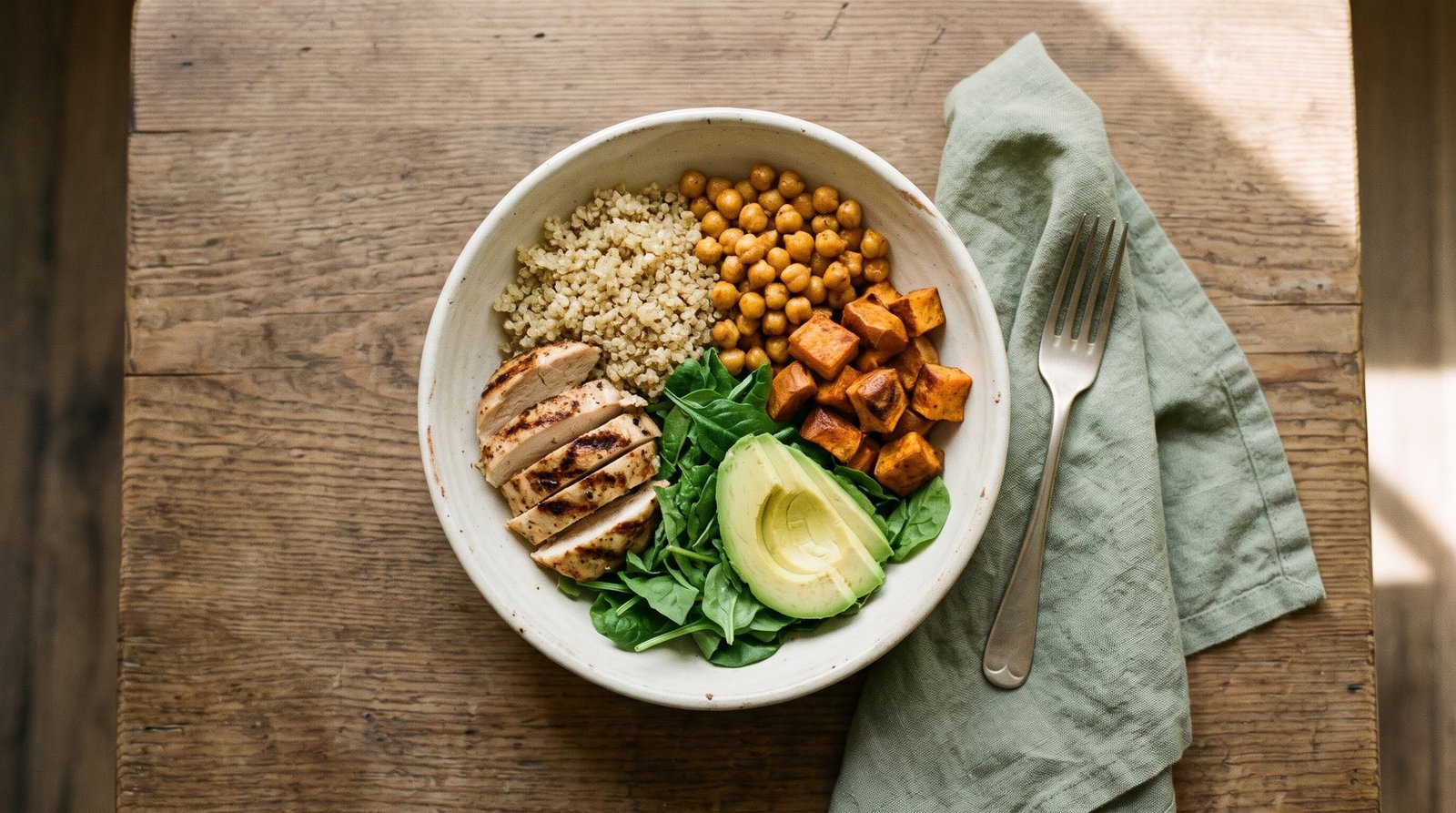
Long gaps followed by a big evening meal can leave you running on fumes and reaching for quick sugar. Meals built around protein, fiber-rich plants and some healthy fat tend to keep energy steadier. Think eggs and berries in the morning, a lentil or chicken bowl at lunch, and a snack with staying power in the afternoon. Our guide to balancing blood sugar through smart eating has more ideas.
5. Build small daily stress breaks
You can’t remove stress from life, but you can give your body more chances to come down from it. In an exploratory trial with 47 women, a four-month mindfulness program for stress eating improved eating habits and anxiety. The groups didn’t differ in belly fat overall, but women whose stress and morning cortisol improved the most tended to lose more abdominal fat. It’s early evidence, so we see it as a reason to try, not a promise.
Two minutes of box breathing before a meeting, a short walk after lunch, or one of these simple vagus nerve exercises before bed are easy places to begin. Eating more slowly helps too, and mindful eating is a gentle way to notice stress eating without judging it.

6. Go easy on alcohol
If evening drinks have become your main way to unwind, try swapping a few for sparkling water with citrus or a warm herbal tea. You may notice better sleep within a week or two, and sleep feeds into almost everything else on this list.
7. Skip the cortisol cocktails and quick fixes
“Cortisol belly drinks,” detox teas and belly-targeting supplements are everywhere. We haven’t found good evidence that any of them reduce belly fat. Some adaptogens, like ashwagandha, have small studies on stress and cortisol, and you can read our take in ashwagandha vs rhodiola. They aren’t a belly fat treatment, they aren’t right for everyone, and the NIH Office of Dietary Supplements notes possible side effects, including reports of liver problems. Check with your doctor or pharmacist before starting any supplement, especially if you’re pregnant, take medicines or have a thyroid condition.
8. Track your waist, not the mirror
Your reflection changes with lighting and bloating. A tape measure is steadier. The National Heart, Lung, and Blood Institute notes that a waist over 35 inches for women or 40 inches for men raises the risk of heart disease and type 2 diabetes. Measure just above your hipbones after breathing out, once a month at most, and treat it as information rather than a grade.
How this fits with our other cortisol guides
We’ve written about cortisol from a few angles, and each guide does a different job. This one looks at the cortisol belly trend and what’s behind a changing waistline. For the full list of warning signs, see high cortisol symptoms. For a deeper dive into habits that support healthy cortisol levels, read our guide on how to lower cortisol naturally. And if you’re dealing with exhaustion and low energy instead, our guide to low cortisol symptoms may be more useful.
Frequently asked questions
Is cortisol belly real?
Partly. Research links chronic stress and higher cortisol with more abdominal fat in some people, but the links are modest and mostly observational. Many people with belly fat have normal cortisol, and sleep, age, menopause, activity, genetics and bloating often play bigger roles.
What does cortisol belly look like?
People usually describe a rounder, firmer middle with slimmer arms and legs. The trouble is that this shape is common for lots of reasons, so you can’t judge cortisol by appearance. If belly weight comes with wide purple stretch marks, easy bruising, a rounder face or muscle weakness, see a doctor.
How long does it take to get rid of cortisol belly?
There’s no set timeline, and no habit spot-reduces belly fat. In exercise studies, changes in visceral fat showed up after about 12 weeks of regular aerobic activity. Sleep and stress habits may help you feel better sooner, often within a few weeks.
Can a cortisol belly drink or supplement flatten my stomach?
We haven’t seen good evidence that any drink, tea or supplement targets belly fat. Some supplements have small studies on stress, but they aren’t belly fat treatments and can interact with medicines. Talk with your doctor or pharmacist first.
Should I get my cortisol tested?
Testing is usually for people with signs that point toward a cortisol disorder, not for weight gain alone. If you have several Cushing’s signs, take steroid medicine, or have symptoms that worry you, ask your doctor. They can choose the right blood, urine or saliva test.
Is cortisol belly the same as hormonal belly?
They overlap. “Hormonal belly” is a broader nickname that often refers to midlife changes around perimenopause and menopause, when falling estrogen is linked with more visceral fat. Stress can add to that, but it’s usually not the only factor.
The Bottom Line
Cortisol belly is a catchy name for something with a grain of truth: chronic stress can influence where some people store fat. It’s far from the whole story. Sleep, age, menopause, movement, alcohol, genes and bloating all shape a waistline, and you can’t read your hormones in the mirror.
The good news is that the habits that help are the same ones that support your heart, mood and energy: steady sleep, regular movement, a bit of strength work, filling meals and small daily breaks from stress. Skip the quick-fix drinks, be patient with your body, and check in with a doctor if you notice the Cushing’s signs above or anything that feels off.
Sources
- Björntorp P. Do stress reactions cause abdominal obesity and comorbidities? Obesity Reviews. 2001.
- Epel ES, et al. Stress and body shape: stress-induced cortisol secretion is consistently greater among women with central fat. Psychosomatic Medicine. 2000.
- Jackson SE, Kirschbaum C, Steptoe A. Hair cortisol and adiposity in a population-based sample of 2,527 men and women aged 54 to 87 years. Obesity. 2017.
- van der Valk ES, Savas M, van Rossum EFC. Stress and obesity: are there more susceptible individuals? Current Obesity Reports. 2018.
- Lovejoy JC, et al. Increased visceral fat and decreased energy expenditure during the menopausal transition. International Journal of Obesity. 2008.
- Covassin N, et al. Effects of experimental sleep restriction on energy intake, energy expenditure, and visceral obesity. Journal of the American College of Cardiology. 2022.
- National Institute of Diabetes and Digestive and Kidney Diseases. Symptoms and causes of gas in the digestive tract.
- National Institute of Diabetes and Digestive and Kidney Diseases. Cushing’s syndrome.
- MedlinePlus (National Library of Medicine). Cushing’s syndrome.
- Nieman LK, et al. The diagnosis of Cushing’s syndrome: an Endocrine Society clinical practice guideline. Journal of Clinical Endocrinology and Metabolism. 2008.
- Watson NF, et al. Recommended amount of sleep for a healthy adult: a joint consensus statement of the American Academy of Sleep Medicine and Sleep Research Society. Sleep. 2015.
- Vissers D, et al. The effect of exercise on visceral adipose tissue in overweight adults: a systematic review and meta-analysis. PLoS One. 2013.
- Ismail I, et al. A systematic review and meta-analysis of the effect of aerobic vs. resistance exercise training on visceral fat. Obesity Reviews. 2012.
- Daubenmier J, et al. Mindfulness intervention for stress eating to reduce cortisol and abdominal fat among overweight and obese women: an exploratory randomized controlled study. Journal of Obesity. 2011.
- NIH Office of Dietary Supplements. Ashwagandha: Fact Sheet for Health Professionals.
- National Heart, Lung, and Blood Institute. Assessing your weight and health risk.
Want more practical, evidence-based guidance like this? Join the newsletter for new guides as soon as they’re published.
This article is for general education and isn’t medical advice, and it can’t diagnose any condition. If you’re concerned about your weight, hormones or any of the signs mentioned here, talk with a doctor or other qualified health professional before making changes, starting a supplement or stopping any medicine.



Leave a Reply