
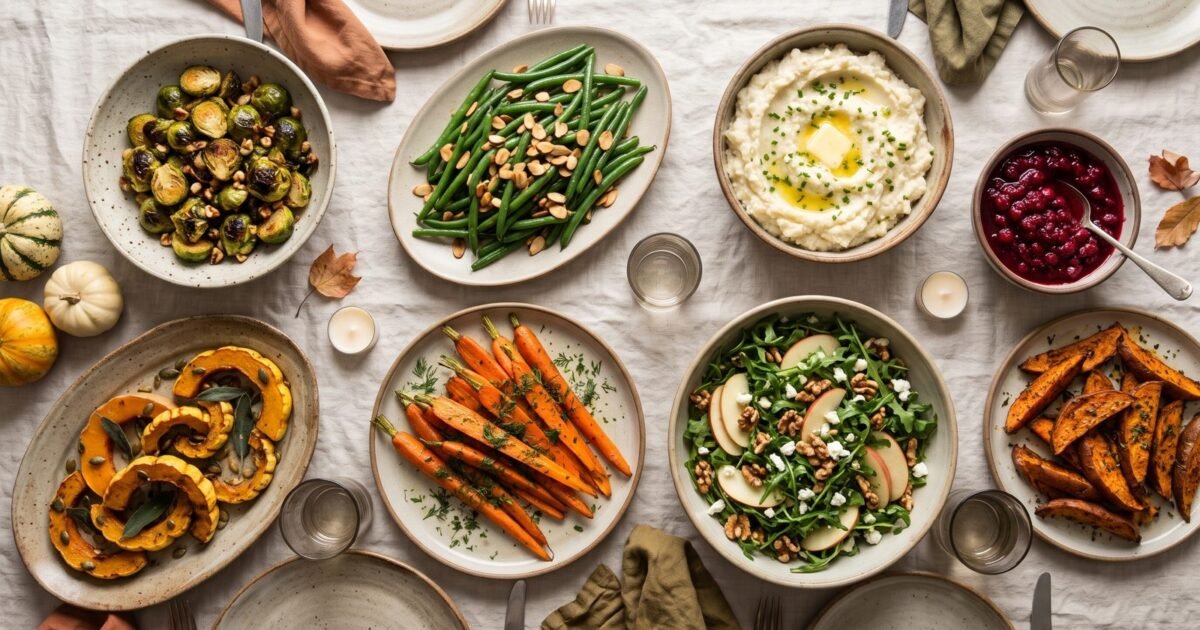
Thanksgiving can feel like a test you did not sign up for. One week you are eating normally. The next, every feed is full of “survive the feast” tips that treat the holiday like a diet emergency. That framing does more harm than the pie, and it is a weak way to think about healthy thanksgiving side dishes or the day as a whole.
This guide is a calm, practical plan for the holiday, plus eight lighter sides that still taste like Thanksgiving. The goal is not a perfect plate. It is a table you can enjoy without the guilt spiral that starts at breakfast and ends at midnight.
Key takeaways
- Skipping breakfast to “save room” often backfires. A protein-forward morning meal can take the edge off later grazing.
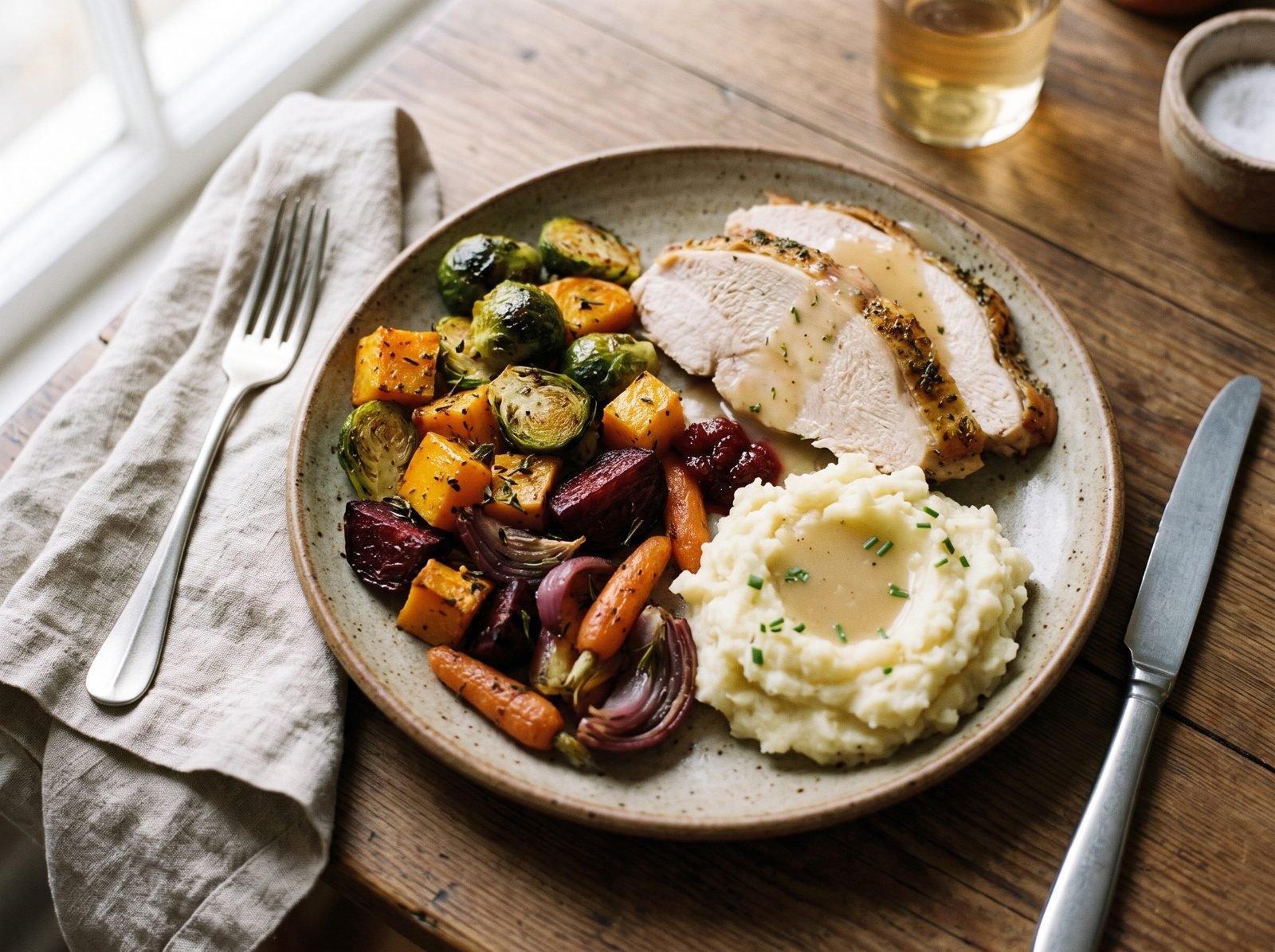
- A simple plate approach (half vegetables, a palm of protein, a fist of starch) works better than food rules.
- A short walk after the meal may help how you feel afterward. Sleep and a gentle wind-down matter as much as what is on the table.
- Lighter sides do not mean sad sides. Roasting, acid, herbs, and crunch go further than heavy cream and marshmallows for most of the vegetable dishes.
- This is educational content, not medical or diet advice. If you have a health condition, or food restrictions, work with your own clinician or dietitian.
A no-guilt Thanksgiving plan
Guilt is not a nutrition strategy. Neither is all-or-nothing thinking. A steadier approach looks like this.
Keep breakfast, even if it is small
Many people skip the morning meal so they can “earn” dinner. Hunger then shows up louder, decisions get harder, and the afternoon snack tray becomes the main event. A simple breakfast with protein and fiber (eggs and fruit, Greek yogurt and berries, oatmeal with nuts) is often enough to keep the day feeling normal. If you like an anti-inflammatory start, our anti-inflammatory breakfast ideas have easy options that travel well to a relative’s kitchen.
Use a plate approach, not a points system
When dinner starts, build the plate once:
- Fill about half with vegetables and fruit-forward sides (the lighter dishes below).
- Add a palm-sized portion of turkey or another protein.
- Add a fist-sized scoop of the starch you actually want (stuffing, mashed potatoes, rolls). Leave room for a real dessert later if you want it.
You can go back for more. The point is a first pass that includes color and protein, not a performance of restraint. The Dietary Guidelines for Americans still center vegetables, fruit, protein foods, and whole grains across the week. One holiday meal does not erase that pattern.
Move a little, without turning it into penance
A 10- to 15-minute walk after eating is a tradition in a lot of households for a reason. Research on light walking after meals suggests it may support post-meal glucose handling compared with sitting still (PMC review on walking after meals; see also our guide to walking after eating). That is not a license to punish yourself with a hard workout. It is a gentle way to feel better in your body. The CDC adult activity guidelines still recommend regular movement across the week. Thanksgiving can be one easy day inside that larger habit.
Protect sleep the night before and the night of
Late sugar, alcohol, and a stretched bedtime can leave you flat the next morning. Aim for a wind-down you already know works: dimmer lights, phone away, maybe the same evening routine you use on normal weeks. Our circadian rhythm reset and magnesium for sleep guides cover the basics if the holiday schedule has you off track. For the day itself, a short self-care routine check-in (water, a real meal, a walk, a pause) is enough.
Drop the diet-culture language at the table
Skip “cheat day,” “being bad,” and commentary on other people’s plates. Food is not a moral test. If conversation turns that way, change the subject or step outside. You do not owe anyone a nutrition TED talk over gravy.
8 lighter healthy thanksgiving side dishes
These are healthy thanksgiving side dishes built for flavor first. Most lean on roasting, citrus, herbs, and texture instead of cream-of-soup bases and marshmallow tops. Swap freely based on what your kitchen already has. Several use the same spice drawer as the anti-inflammatory herbs and spices we cover elsewhere, and they sit comfortably next to the foods on our anti-inflammatory foods list.
1. Balsamic roasted Brussels sprouts
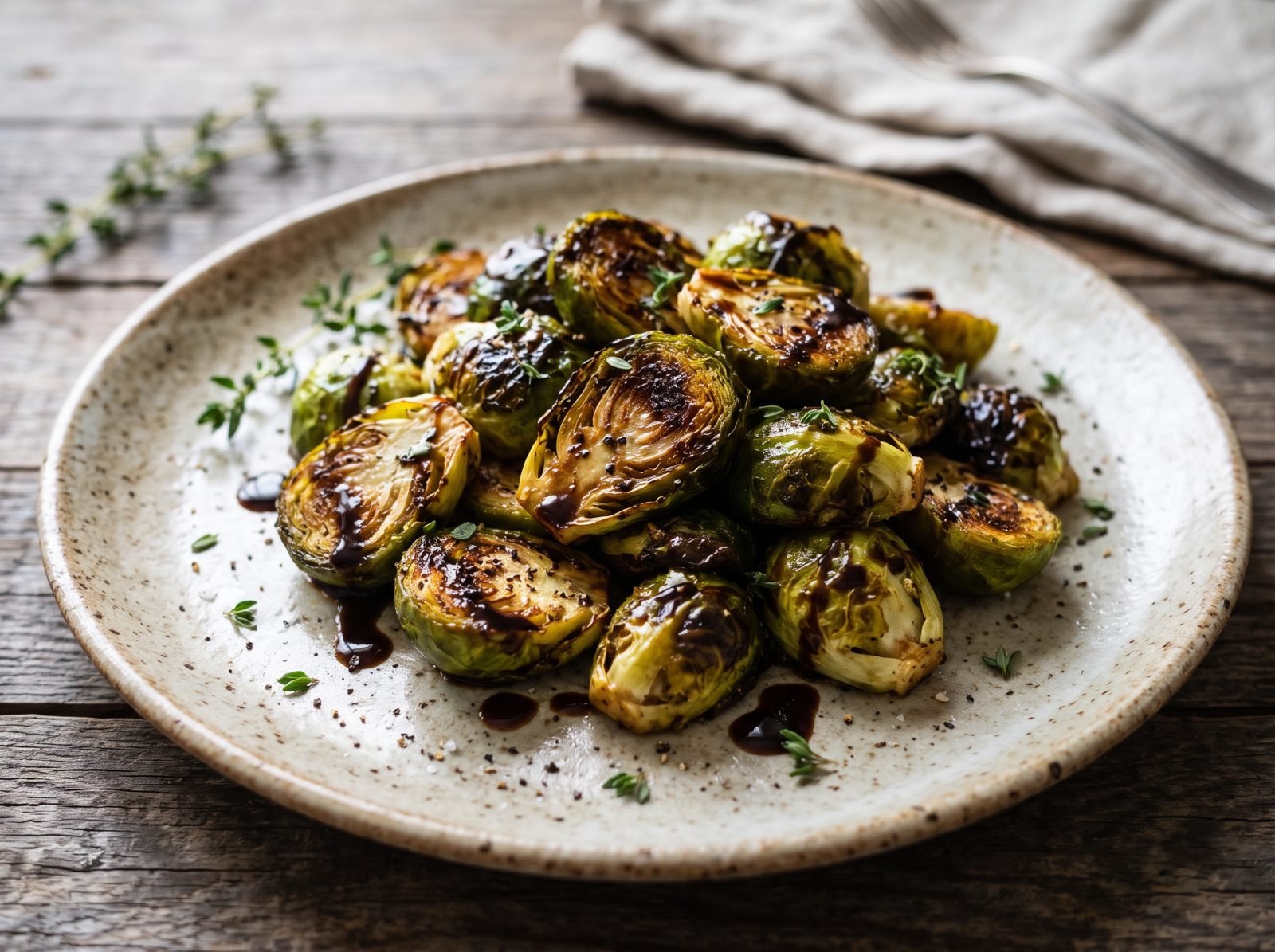
Trim and halve sprouts. Toss with olive oil, salt, pepper, and a splash of balsamic. Roast at 425°F until the cut sides are browned, about 20 to 25 minutes. Finish with more balsamic or a few toasted pecans.
Why it is lighter: high-heat roasting brings sweetness without a creamy sauce. Brussels sprouts bring fiber and vitamin K. Per USDA FoodData Central patterns for cooked Brussels sprouts, you get a dense vegetable side for relatively few calories compared with casserole versions.
2. Lemon-almond green beans
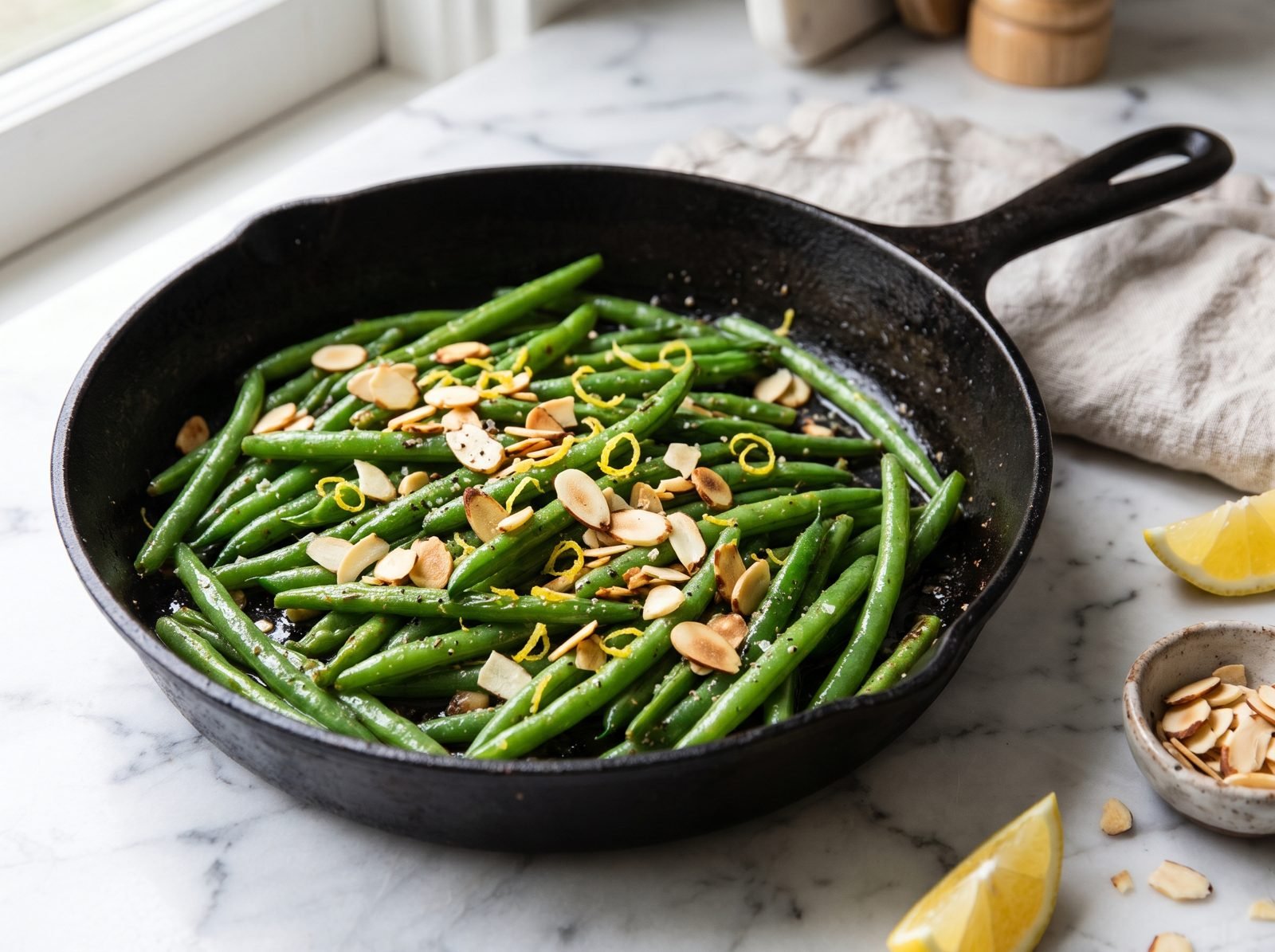
Blanch green beans until bright, then toss in a hot skillet with olive oil, sliced almonds, lemon zest, and a squeeze of lemon juice. Salt to taste.
Why it is lighter: skips the green bean casserole’s fried onions and condensed soup. Almonds add crunch and a little fat so the dish still feels finished. Lemon keeps it sharp against rich turkey.
3. Garlic mashed cauliflower
Steam or boil cauliflower florets until soft. Mash with roasted garlic, a spoon of olive oil or a splash of milk, salt, and pepper. A small knob of butter is fine if that is what makes it taste like a holiday side for you.
Why it is lighter: cauliflower brings volume and fiber with fewer carbohydrates than potatoes. It is not a moral upgrade over mashed potatoes. It is an option when you want two vegetable sides and one potato dish instead of three heavy starches.
4. Fresh cranberry-orange sauce
Simmer fresh cranberries with orange juice, a strip of orange zest, and just enough sweetener to take the edge off (start with less than the bag recipe calls for, taste, then adjust). Cool until it gels.
Why it is lighter: you control the sugar, and you skip the canned jelly cylinder. Cranberries bring polyphenols and a tart contrast that makes turkey taste brighter. USDA data for raw cranberries shows a low-calorie fruit base before sweetener is added.
5. Herb-roasted butternut squash
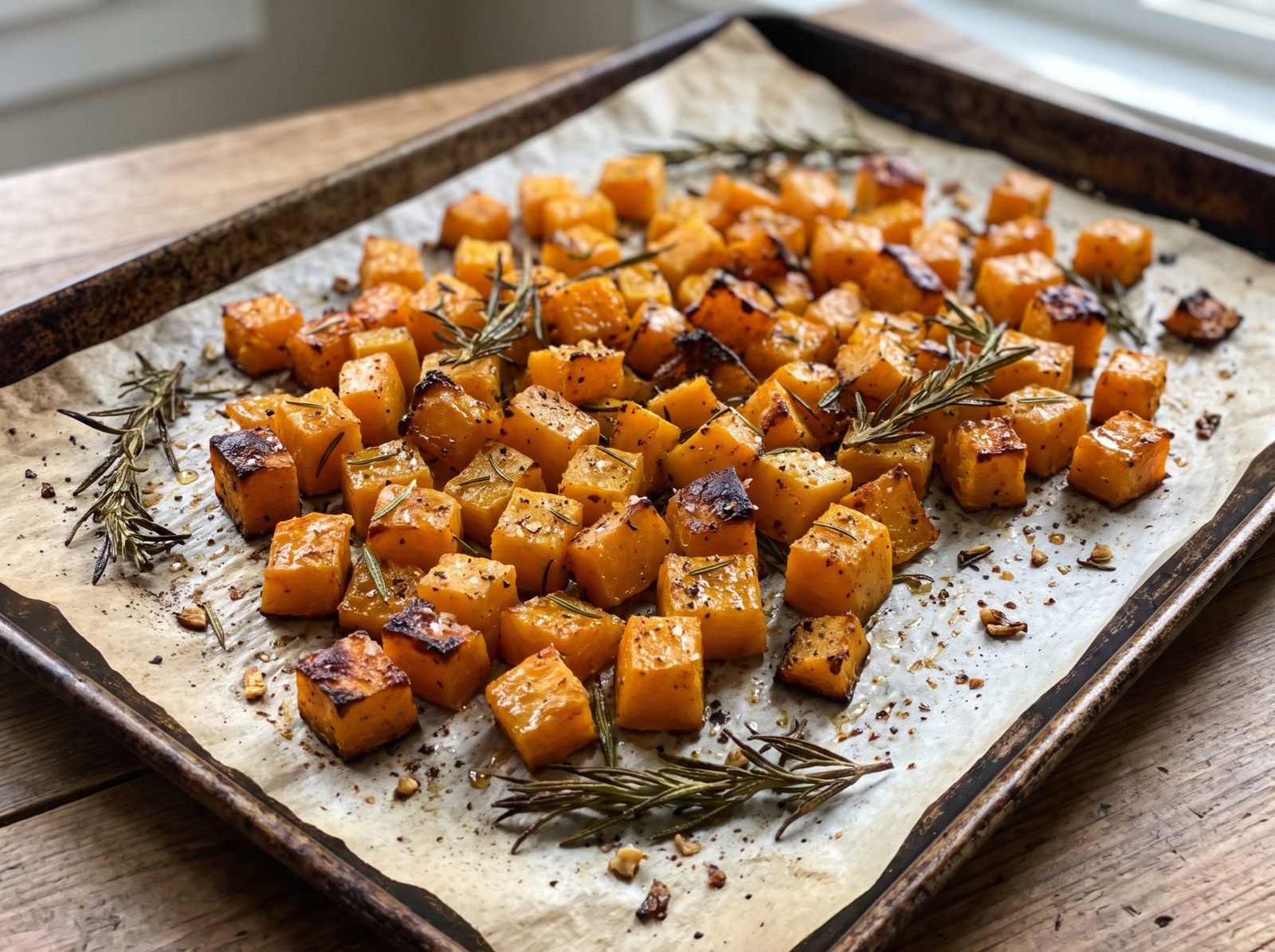
Cube peeled butternut. Toss with olive oil, rosemary or thyme, salt, and pepper. Roast at 425°F until caramelized at the edges. Optional: a light drizzle of maple at the end, not a glaze bath.
Why it is lighter: naturally sweet squash does not need marshmallows or heavy brown-sugar topping. Orange vegetables are also an easy way to get carotenoids onto the plate.
6. Arugula, apple, and walnut salad
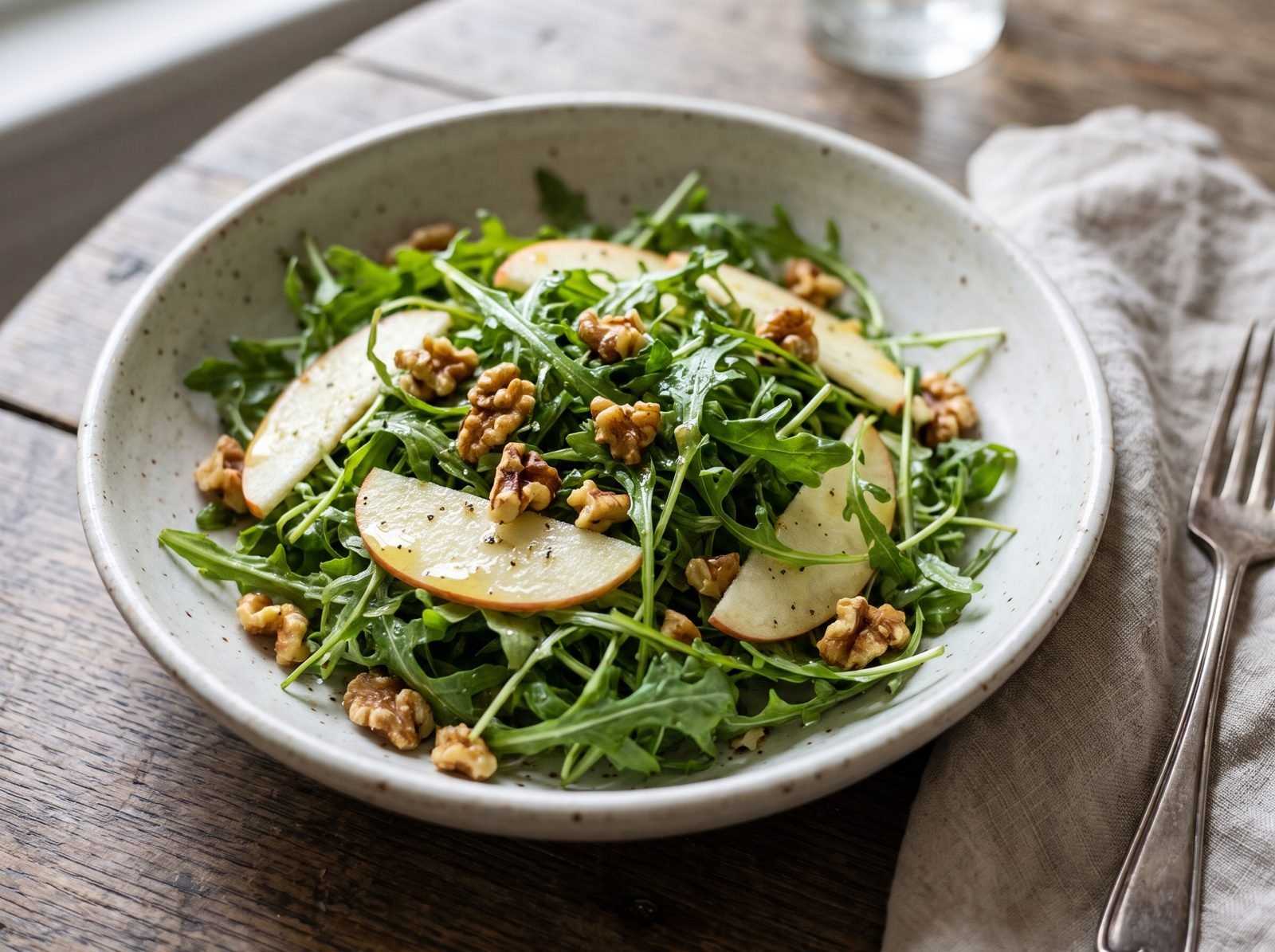
Toss arugula with thin apple slices, toasted walnuts, and a vinaigrette of olive oil, apple cider vinegar, mustard, and a pinch of salt. Add shaved Parmesan if you like.
Why it is lighter: raw greens on a Thanksgiving table are rare and welcome. Bitterness from arugula cuts through gravy and stuffing. Walnuts add crunch and plant omega-3s in a small handful.
7. Cumin-maple roasted carrots
Cut carrots into sticks. Toss with olive oil, a little maple, cumin, salt, and pepper. Roast until tender and browned. Finish with parsley or cilantro.
Why it is lighter: carrots caramelize on their own. A teaspoon of maple across a whole sheet pan is enough. The spice makes them taste intentional, not like a diet swap.
8. Crispy sweet potato wedges
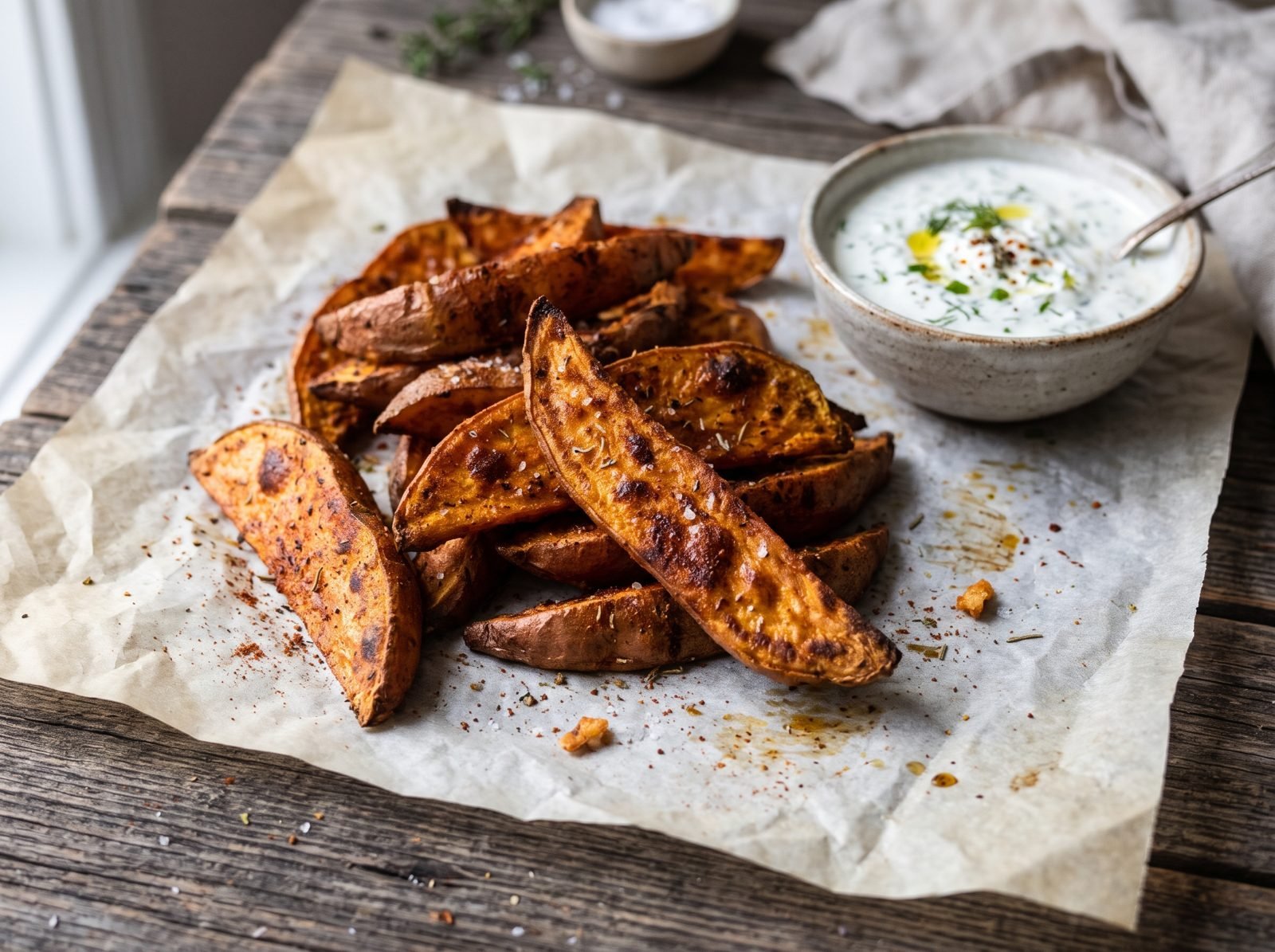
Cut sweet potatoes into wedges. Toss with olive oil, smoked paprika, salt, and pepper. Roast cut-side down until the edges crisp. Serve with a yogurt-herb dip if you want something cool on the side.
Why it is lighter: you get the sweet potato flavor people love without the marshmallow casserole. Leaving the skin on adds fiber. Pair with turkey and greens and you still have room for the stuffing you actually care about.
Putting the sides on the table
You do not need all eight. Pick three or four that match your oven space and what guests already expect. A realistic mix might look like Brussels sprouts, green beans, cranberry sauce, and one starch (cauliflower mash or sweet potato wedges), then whatever classic dishes your family will mutiny without.
If gut comfort is on your mind after a big meal, fiber is useful across the week, not only on Thursday. Our gut health and nutrition guide covers the longer view. For how protein, carbs, and fat fit together on any plate, see what macronutrients are.
FAQ
Do I need to eat healthy thanksgiving side dishes to "make up for" dessert?
No. Dessert is part of many Thanksgiving tables. Lighter sides are there so the meal has more plants and more options, not so you can bargain with pie.
Is it okay to eat stuffing and mashed potatoes too?
Yes. The plate approach leaves room for the classics. Lighter sides sit beside them. They do not have to replace every tradition.
What if I have diabetes or another condition that affects meals?
Work with your clinician or a registered dietitian on timing, portions, and medications. General holiday tips are not individualized medical advice. The American Diabetes Association and similar groups publish holiday meal ideas you can review with your care team.
How early should I cook these sides?
Most of the roasted vegetables reheat well. Make cranberry sauce a day ahead. Blanch green beans ahead and finish with lemon and almonds right before serving so they stay bright.
Will a walk after dinner ruin the "food coma"?
A gentle stroll is usually enough to feel less sluggish. It is not a workout. Sit down again afterward. Enjoy the rest of the day.
Bottom line
A no-guilt Thanksgiving is mostly about dropping the drama. Eat a real breakfast. Build a plate with color and protein. Choose a few healthy thanksgiving side dishes that taste like food you want, not like punishment. Walk if you feel like it. Sleep when you can. The holiday is one day inside a much longer pattern of how you take care of yourself.
Sources
- U.S. Department of Agriculture and U.S. Department of Health and Human Services. Dietary Guidelines for Americans, 2020-2025.
- U.S. Department of Agriculture. FoodData Central (nutrient profiles for Brussels sprouts, cranberries, sweet potatoes, and related foods).
- Centers for Disease Control and Prevention. Adult physical activity basics.
- DiPietro L, et al. Walking after meals may improve glycemic control. Related evidence summarized in reviews such as PMC6163811.
- National Institutes of Health, Office of Dietary Supplements. Fact sheets for vitamins and minerals relevant to vegetable-rich eating patterns (context only): ODS.
- Harvard T.H. Chan School of Public Health. The Nutrition Source – Vegetables and Fruits (general produce guidance).
A note on this article
This post is for education and general wellness information. It is not medical advice, diagnosis, or a meal plan prescribed for any condition. Sophia Hart is our editorial persona for Your Vitality Vibes and is not a licensed clinician. We do not claim medical review. If you are pregnant, nursing, managing a medical condition, or taking medication, talk with your own healthcare professional before changing how you eat or move.
Join our newsletter for calm, evidence-minded wellness notes without the guilt noise.



Leave a Reply