
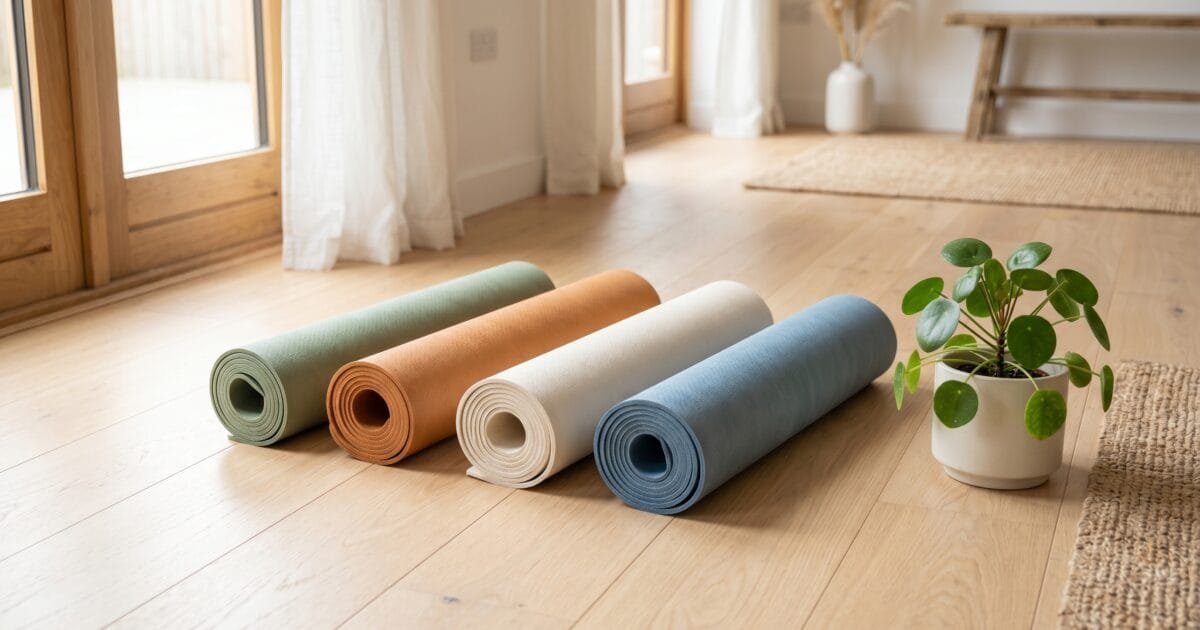
In the serene world of yoga, where mindfulness and physical practice intersect, the foundation beneath you plays a real role in your practice. Whether you’re a seasoned practitioner or just starting out, the right yoga mat provides the stability and grip that let you focus on your breath and movement instead of your footing. Below are four well-reviewed mats worth considering, plus a guide to the features that actually matter — material, thickness, texture, and size — so you can pick the one that fits how you practice. And if you’re building breath awareness into your practice too, my guide to box breathing pairs naturally with time on the mat, and if hot flashes, joint aches, or sleep changes have crept in lately, my perimenopause symptoms guide covers what’s changing and what actually helps. A mat like this works just as well off the yoga floor, too — the extra cushioning of the Retrospec Solana above is worth considering if you’re building any kind of at-home strength or floor-work routine as well.
How to Buy the Best Yoga Mat for You
When it comes to enhancing your yoga practice, one of the most fundamental tools you’ll need is a quality yoga mat. With a plethora of options available on the market, selecting the right yoga mat can seem overwhelming. The first thing to consider is the material. Common materials include PVC, TPE, natural rubber, and eco-friendly options. PVC mats are durable and provide good grip but can be less environmentally friendly. Natural rubber mats, on the other hand, are sustainable and offer a great level of traction; however, they may not be suitable for those with latex allergies.
Thickness is another essential factor to contemplate when choosing a yoga mat. While standard mats are typically around 3mm thick, those looking for extra cushioning during challenging poses may opt for thicker variations, around 6mm or more. Conversely, if you heavily practice balance-focused poses or need a portability option for travel, a thinner mat might be advantageous. Consider your practice style; restorative yoga may benefit from extra padding, while vinyasa or hot yoga may require a more stable and thinner surface to maintain balance.
Texture plays a crucial role in providing the grip necessary for your practice. A mat with a textured surface can prevent slipping, especially when you’re sweating. Some mats have unique patterns that enhance grip, while others feature a smooth surface. It’s wise to try out different textures at a local store or read reviews from fellow yogis who share similar practice styles as you. Additionally, think about the mat’s weight and portability, particularly if you plan to haul it to classes or outdoor sessions.
Lastly, don’t overlook the aesthetics of your yoga mat. While functionality is paramount, choosing a mat with a design or color that resonates with you can enhance your overall practice experience. After all, connecting with your environment can have a significant impact on your mindset and motivation. By considering material, thickness, texture, portability, and your personal style, you’ll be well-equipped to find the best yoga mat for you. If you’re just building your practice, my roundup of 5 easy yoga poses is a good place to start once your mat arrives. Happy practicing!

Best Eco-Friendly Yoga Mat
Retrospec Solana 1″ Yoga Mat
At a full inch thick, the Retrospec Solana is the plushest mat on this list — a real difference-maker if you have sensitive knees or spend a lot of time in kneeling or floor poses. That extra cushioning is a tradeoff, though: at 2.2 lbs it’s not the heaviest mat here, but the thickness makes it bulkier to roll tightly, so it’s better suited to a home practice than tossing in a gym bag daily. The included carrying strap and 7 color options are genuinely useful extras, not just marketing.
Available in 7 colors
Comes with carrying strap
One-inch thickness cushions knees and wrists well for restorative or floor-heavy practices
Non-slip surface holds up in sweaty sessions
At 1-inch thick, it’s bulkier to roll up and carry than a standard 1/8-inch travel mat
Hand wash only
Material: Foam
Size: 72″L x 24″W x 1″Th
Hand Wash Only: Yes
Weight: 2.2 Pounds
Thickness: 1-inch
Non-slip: Yes

Best Budget Yoga Mat
Retrospec Solana Yoga Mat
This is the half-inch sibling to the 1″ Solana above — a middle-ground thickness that works for yoga, Pilates, or general floor workouts without the bulk of the thicker version. At 2.7 lbs with a nylon strap included, it’s reasonably easy to carry to a studio or gym. Some buyers note a mild rubber odor when the mat is new (air it out for a day or two before your first session) and that the surface can get slippery once it’s wet with sweat, so it’s a better fit for lower-intensity practices than hot yoga.
Provides joint support
Comes with a nylon carrying strap
Ideal for people with sensitive joints
Extra-long & extra-wide
Mild odor when new
Can get slippery when wet
Color: Graphite
Thickness: 0.5 inch
Material: Foam
Usage: Home/Studio
Size: 72″L x 24″W
Weight: 2.7 Pounds
Design: Non Slip

Best large yoga mat
Gaiam Thick Yoga Mat
At 72″ x 24″ x 2/5″, this Gaiam sits between the two Retrospec mats on thickness — enough cushioning for most floor work without feeling as bulky as the full-inch option. The NBR foam construction is a step down from natural rubber in eco-friendliness but keeps the price accessible, and the easy-cinch strap makes it simple to sling over a shoulder for a studio class. One tradeoff: NBR foam tends to pick up dirt more readily than some other materials, so plan to wipe it down after outdoor sessions.
Comes with easy-cinch carrying strap
Solid middle-ground thickness for joint support without excess bulk
Tends to attract dirt more than rubber-based mats
At 2.8 lbs, a bit bulkier to carry than the thinnest travel mats, though the included strap helps
Size: 72″L x 24″W x 0.39″
Material: NBR Foam
Number of items: 1
Brand: Gaiam
Model: Yoga
Weight: 1.27 Kilograms
Care Instructions: Hand Wash Only
Thickness: 2/5 Inch

Best budget-friendly yoga mat
Gaiam Yoga Mat with Carrier Sling
At just 1/4″ thick and 3.5 lbs, this is the thinnest and most travel-friendly mat on the list — the tradeoff for that portability is less cushioning underfoot than the others here, so it suits practitioners who prioritize ground connection and balance (think Ashtanga or alignment-focused styles) over deep joint support. The textured NBR surface holds grip well, and the carrier sling makes it genuinely easy to bring to a studio class.
Comes with a carrying sling
Excellent traction for most yoga styles
Lightest, most travel-friendly mat on this list
Gets dirty easily
Mediocre durability
Color: Navy
Type: Classic
Size: 72″L x 24″W x 0.25″Th
Weight: 3.5 Pounds
Texture: Non slip
Thickness: 1/4 Inch
Material: Nitrile Butadiene Rubber
Should You Get a Thick or Thin Yoga Mat?
When it comes to choosing the right yoga mat, the thickness can significantly impact your practice. A thick yoga mat typically provides more cushioning and support, making it a suitable choice for those with joint concerns or those who engage in poses that require prolonged floor contact. If you suffer from sensitive knees or wrists, a thicker mat can alleviate some discomfort while providing a stable surface to enhance your balance and alignment. The added cushioning can be particularly beneficial in restorative practices or for practitioners who prefer a gentler flow.
On the other hand, a thin yoga mat might be the right option for those who prioritize stability and mobility. Thinner mats generally allow better tactile connection with the ground, making it easier to feel the alignment of your body in various postures. This can be particularly advantageous in practices like Ashtanga or Bikram yoga, where precision and control are essential. Additionally, for practitioners who often travel or practice in studios, a lightweight thin mat can be more convenient to carry around without compromising on performance.
Ultimately, the ideal thickness of a yoga mat often comes down to personal preference and individual practice style. Some people might find that alternating between a thick and thin mat, depending on the type of yoga they are practicing, offers maximum benefits. Regardless of the choice you make, investing in a quality yoga mat that suits your physical needs and practice can profoundly enhance your overall experience on the mat. Find the right balance that allows you to enjoy your yoga journey while promoting comfort and stability.
What Size Should I Get in a Yoga Mat?
Choosing the right size for a yoga mat is essential for both comfort and practice. Standard yoga mats typically measure around 68 inches (173 cm) in length and 24 inches (61 cm) in width, which suits many practitioners. However, if you’re taller than average or prefer a bit more space during your practice, you might want to consider longer mats that can extend up to 72 inches (183 cm) or even 84 inches (213 cm). The width can also be a consideration; wider mats offer additional room, which can be especially beneficial for those who practice more expansive styles, such as vinyasa or power yoga.
When thinking about the size of your yoga mat, consider your practice style and personal preferences. For those who enjoy more vigorous and dynamic movements, a more significant surface area can provide better freedom of movement and stability. On the other hand, if you’re practicing restorative yoga or gentle stretches, a standard size mat may serve you just fine. Additionally, if you often practice in tight spaces, a more compact yoga mat might be the better choice, allowing you to fit your practice into limited areas without sacrificing comfort.
Another factor to keep in mind is portability. If you’re the type who frequently takes classes outside of your home or travels, selecting a lightweight, foldable yoga mat can make your life easier. Many brands offer mats that are designed to be easily rolled up or carried, and some even come with convenient carrying straps. Regardless of the size, always check the weight of the mat, as heavier mats may be more challenging to transport.
Ultimately, the best size for your yoga mat will come down to personal preference and lifestyle. Take some time to assess your general practice habits and physical dimensions, and remember that a mat that feels comfortable for one person may not work for another. Choosing the right yoga mat size can make a significant difference in your practice, enhancing your comfort and overall yoga experience.
Is a Bigger Yoga Mat Better?
When it comes to yoga practice, one question that often arises is whether a bigger yoga mat is indeed better. The size of a yoga mat can significantly influence comfort, stability, and the overall experience during practice. For many, having extra space can accommodate a wider range of poses and movements without feeling constricted. This is particularly beneficial for those who frequently engage in dynamic styles of yoga, such as vinyasa or ashtanga, where fluid movement is key.
A larger yoga mat can also provide a greater sense of security, especially for those who may struggle with balance. With ample room, practitioners can spread out their limbs comfortably and focus on their alignment and form rather than worrying about where their body parts are landing on the mat. Additionally, taller individuals might find that a bigger mat supports their height, preventing their limbs from hanging off the edge and allowing for a more immersive yoga session.
However, it’s essential to consider storage and portability when choosing the size of a yoga mat. Larger mats can be cumbersome and may not fit well in smaller spaces or bags, which could deter some individuals from maintaining their practice, especially if they prefer to carry their gear to classes. For those who practice at home, space might not be an issue, but for yogis on the go, a standard or travel-sized yoga mat may offer a practical solution.
Ultimately, whether a bigger yoga mat is better depends on individual preferences and needs. It’s important to evaluate how you practice yoga, what styles you prefer, and your personal comfort level to determine the perfect size for you. Test out different mats if possible, and find the one that aligns with your practice, ensuring that it enhances rather than hinders your journey on the mat.
Do I Need to Buy a Yoga Mat Strap?
When considering whether to buy a yoga mat strap, it’s essential to evaluate your personal yoga practice and lifestyle. A yoga mat strap can be a valuable accessory for those who frequently transport their yoga mat to classes, outdoor sessions, or retreats. These straps are designed to make carrying your mat more convenient, allowing you to slung it over your shoulder, just like a bag. For individuals who find themselves navigating busy urban environments or who prefer to practice in parks, a yoga mat strap can simplify the journey significantly.
Additionally, a yoga mat strap can serve multiple functions beyond mere transportation. Some straps are adjustable and can be used to secure your mat when rolled up, preventing it from unrolling during transit. This feature is particularly helpful for those with thicker mats that are more challenging to manage. Furthermore, some practitioners use these straps as extensions during their practice; they can help modify poses, deepen stretches, or provide additional support, thus enhancing the overall experience on the mat.
However, whether you need a yoga mat strap largely depends on how often you engage in yoga activities outside your home. If you practice primarily at home, investing in a strap may not be necessary. Conversely, if you’re an avid class-goer or enjoy practicing in different locations, a strap can be a worthwhile addition to your yoga gear. Ultimately, it’s about finding what tools and accessories enhance your practice and support your individual needs, ensuring that your yoga sessions are both enjoyable and accessible.
Do I Really Need to Use a Yoga Mat?
When it comes to practicing yoga, one of the most frequently debated topics is whether or not a yoga mat is truly necessary. For many, the yoga mat has become synonymous with the practice itself—offering a designated space, a feeling of comfort, and a bit of traction for poses that might otherwise feel slippery. However, the reality is that the decision to use a mat often comes down to personal preference and individual practice style.
A yoga mat can provide a non-slip surface, especially important for those who practice in spaces with smooth floors. The added grip can help prevent injuries during more dynamic movements or sweat-inducing sessions. Additionally, a mat can serve as a mental cue, marking your personal practice space and signaling to your body that it’s time to focus and let go. For some, this psychological aspect can enhance the overall experience, creating a sanctuary for mindfulness and relaxation.
On the other hand, there are practitioners who find that they can comfortably engage in their practice without a mat. Outdoor yoga enthusiasts, for instance, might prefer the natural grounding of grass or sand beneath them, embracing the sensations and energy of their environment. Similarly, those who practice in the comfort of their home may have soft carpets that provide enough cushioning. In these cases, the absence of a yoga mat can foster a closer connection to surroundings and an appreciation for the natural elements.
Ultimately, whether to use a yoga mat is a personal choice that can vary from session to session. The key lies in understanding what works best for your practice, goals, and comfort levels. If you feel more secure and focused with a yoga mat, then it’s likely a beneficial addition to your routine. However, if you prefer the freedom of practicing on different surfaces, embrace that as part of your yoga journey. The essence of yoga is not about the props we use but rather about the union of body, mind, and spirit that unfolds during each session.
How Do I Keep My Hands From Slipping on the Mat?
Maintaining a solid grip on your yoga mat is crucial for both safety and effective practice. Slipping during poses can disrupt your flow and even lead to potential injuries. To prevent your hands from losing traction, consider investing in a high-quality yoga mat designed with a non-slip surface. Many mats are specifically engineered with materials that enhance grip, absorbing moisture and ensuring that your hands remain steady during challenging poses.
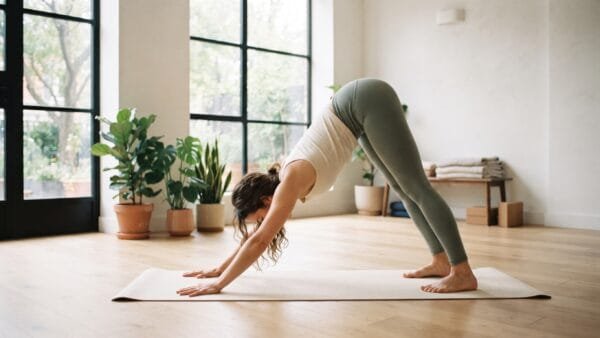
Another effective way to enhance grip is to pay attention to your hand placement and technique. Engaging your fingers actively ensures better contact with the mat, allowing for a more stable foundation. In downward dog, for instance, spreading your fingers wide and pressing firmly into the mat not only lifts your body but also creates a sense of grounding that helps avoid slipping. Practicing mindfulness about your positioning will improve not only your balance but also your overall experience on the mat.
Additionally, consider damp conditions that might contribute to slippery surfaces. If you sweat excessively, using a yoga towel can be beneficial. These towels are designed to absorb moisture and provide extra grip, especially in hot yoga sessions. Placing the towel over your mat can help keep your hands and feet secure, allowing you to focus completely on your movements rather than worrying about slipping.
Lastly, don’t underestimate the importance of regular cleaning and maintenance of your yoga mat. Dirt, oils, and other residues can accumulate over time, contributing to a slippery surface. Make a habit of wiping down your mat after each practice with a gentle cleanser to maintain its grip. By combining the right equipment, techniques, and hygiene practices, you can ensure a more comfortable and secure yoga experience while keeping your hands firmly planted on the mat.
Why Do People Love Liforme Yoga Mats So Much?
In the world of yoga, the choice of a yoga mat can significantly impact a practitioner’s experience, which is why Liforme yoga mats have garnered such a loyal following. Known for their exceptional quality and unique design, these mats have become a staple for yogis of all levels. One of the primary reasons people are drawn to Liforme yoga mats is their eco-friendly nature. Made from natural rubber, they are free from harmful chemicals and toxins, offering peace of mind alongside performance. This commitment to sustainability resonates with yogis who seek to align their practice with their values, making Liforme a preferred choice in a world increasingly concerned about ecological footprints.
Another compelling factor is the innovative alignment guide printed on the surface of the yoga mats. This personalized feature helps practitioners maintain proper alignment, making it easier for them to improve their poses and overall practice. Beginners appreciate the visual aid as it provides them with the guidance needed to build a strong foundation, while seasoned yogis find it useful for refining their techniques. This fusion of practicality and support not only enhances the yoga experience but also fosters a sense of community among users, as many share their journeys and improvements inspired by the mat.
Furthermore, the durability and grip offered by Liforme yoga mats set them apart from other options in the market. Users often rave about the non-slip surface, which provides stability during rigorous sessions, ensuring that they can focus on their practice rather than worry about slipping or sliding. This reliable grip facilitates confidence, allowing practitioners to explore new poses and push their boundaries. As a result, Liforme has built a reputation for longevity in a field where wear and tear can be common, making these mats a worthy investment for any serious practitioner.
Ultimately, the love for Liforme yoga mats stems from a perfect blend of sustainability, functionality, and durability. By prioritizing the needs of the yogi while also caring for the planet, Liforme has cultivated a loyal fan base. Whether you’re just starting your yoga journey or are a seasoned expert, investing in a Liforme yoga mat means choosing a companion that will support and enhance your practice for years to come.
Should I Put a Towel Over My Yoga Mat?
When practicing yoga, the question of whether to put a towel over your yoga mat often arises among practitioners. There are several reasons why incorporating a towel into your yoga routine might be beneficial. For one, a towel can help absorb sweat, which is particularly useful during hot yoga classes where the risk of slipping is heightened. By placing a towel on top of your yoga mat, you create an extra layer of grip, helping to ensure that you maintain your balance and stability in various poses.
In addition to enhancing grip, a towel can also serve as a hygienic barrier, especially if you’re using a shared yoga mat in studios. This added layer can help protect against germs, sweat, and other bodily fluids that might accumulate on a mat over time. Furthermore, using a towel can keep your yoga mat cleaner; post-class, you can simply wash the towel rather than having to deep-clean your mat after every session. This convenience is particularly appealing for frequent practitioners who want to maintain their equipment’s cleanliness without excessive effort.
Another consideration is comfort. Some people find that the texture of their yoga mat can become uncomfortable during longer practices; a towel can provide a softer surface, making poses that involve prolonged contact less abrasive on the skin. Additionally, towels can add a pop of color or pattern, personalizing your practice space and boosting your mood while you flow through your sequences.
Ultimately, whether you decide to put a towel over your yoga mat depends on personal preference and specific practice needs. If you tend to sweat a lot or feel uncertain about grip and hygiene during your sessions, you may find that using a towel enhances your overall experience. Experimenting with a towel could be the key to unlocking greater comfort and confidence on your journey through yoga.


[…] The 4 Best Yoga Mats to Help Even the Most Unbothered Yogis […]