

Stand in front of the yogurt case these days and you’ll see three thick, high-protein options fighting for the same spot in your cart: Icelandic skyr, Greek yogurt and a cottage cheese comeback that has taken over social media. All three are cultured dairy foods, all three are packed with protein, and all three can turn breakfast into something that keeps you full past mid-morning.
So which one should you pick? The differences are smaller than the marketing suggests, but they do matter for a few things: protein per spoonful, sodium, calcium, texture and how easy it is to reach about 30 grams of protein at breakfast. Here’s how skyr vs Greek yogurt vs cottage cheese compares, using USDA nutrient data and published research.
Key takeaways
- Plain skyr and plain nonfat Greek yogurt are close: roughly 10 to 11 grams of protein per 100 grams, with skyr often a gram or so higher.
- Low-fat cottage cheese has similar protein (about 11 grams per 100 grams) but around 300 to 400 mg of sodium per 100 grams, compared with roughly 30 to 50 mg in plain skyr or Greek yogurt.
- Straining concentrates protein but drains off some calcium with the whey, so regular yogurt can have more calcium per serving than strained styles.
- A breakfast with about 30 grams of protein usually means a larger portion (around 1 cup) plus one protein-rich add-in, like hemp hearts, nut butter or an egg.
- Plain versions win on added sugar. Flavored cups often have two to three times the sugar of plain ones, so check the label.

What is skyr?
Skyr (say “skeer”) is a traditional Icelandic cultured dairy food. It’s made from skim milk that is fermented with live cultures and then strained until very thick, which is why it can hold a spoon upright. It’s often described as a fresh cheese, but in the U.S. you’ll find it shelved and eaten like yogurt.
Taste-wise, skyr is mild and slightly less tangy than many Greek yogurts, with a dense, almost cheesecake-like texture. Its protein is mostly casein, the slower-digesting milk protein. A 2023 lab study that simulated digestion found skyr’s protein was broken down a bit more slowly in the stomach under conditions modeled on older adults (Lavoisier and colleagues). That was a test-tube model, not people, so we wouldn’t read too much into it.
Skyr vs Greek yogurt vs cottage cheese: how they’re made
Greek yogurt starts as regular yogurt and is strained to remove much of the liquid whey. That’s where the thick texture and higher protein come from. It also produces a lot of acid whey as a by-product, and researchers are testing manufacturing changes that cut down how much is generated (Karastamatis and colleagues).
Skyr follows a similar path but is usually strained even more and traditionally made from skim milk, so it lands a little thicker and a little higher in protein per spoonful.
Cottage cheese is a different process. Milk is curdled, the curds are cut and cooked, the whey is drained off, and the curds are often rinsed and then coated in a salted, creamy dressing. That dressing explains both its lumpy texture and its higher sodium. Some brands add live cultures afterward and say so on the label, but many don’t.

Nutrition side by side
Here’s how the plain versions compare per 100 grams (about a scant half cup), using USDA FoodData Central entries. Brands vary, so treat these as typical numbers rather than exact ones.
| Food (plain) | Protein | Calories | Calcium | Sodium | Total sugars | Fat |
|---|---|---|---|---|---|---|
| Skyr (traditional plain) | 11.3 g | 73 | 133 mg | 47 mg | 4.0 g | 1.3 g |
| Greek yogurt, nonfat | 10.3 g | 61 | 111 mg | 36 mg | 3.3 g | 0.4 g |
| Cottage cheese, low-fat 2% | 11.0 g | 84 | 103 mg | 321 mg | 4.1 g | 2.3 g |
| Regular yogurt, low-fat | 5.3 g | 63 | 183 mg | 70 mg | 7.0 g | 1.6 g |
A typical single-serve cup is about 150 to 170 grams. At that size, plain skyr gives you around 17 to 19 grams of protein, plain nonfat Greek yogurt around 15 to 17 grams, and a heaping cup of cottage cheese (about 225 grams) close to 25 grams. Regular plain low-fat yogurt has about half the protein of the strained styles, at roughly 5 grams per 100 grams.
Protein: which one has the most?
Per spoonful, skyr usually edges out Greek yogurt by about one gram per 100 grams, and cottage cheese sits right alongside both. In practice, the bigger driver is portion size. Cottage cheese is often eaten by the cup, while yogurt cups are smaller, so cottage cheese bowls tend to deliver more protein simply because they’re bigger.
Does that protein help with fullness? Some small studies suggest it can. In a study of 15 women, an afternoon Greek yogurt snack with 24 grams of protein led to less hunger, more fullness and a longer wait before dinner than lower-protein yogurt snacks with the same calories (Douglas and colleagues). A separate study in active women found that a 30-gram protein serving of cottage cheese before bed didn’t change next-morning metabolism or appetite compared with a placebo (Leyh and colleagues). Both were small, short studies, so they’re a reasonable nudge, not proof.
If you’re curious how protein fits with carbs and fat across your day, our guide to macronutrients walks through the basics.
Sodium: the biggest real difference
This is where cottage cheese stands apart. A 100-gram portion of low-fat cottage cheese has about 300 to 400 mg of sodium, so a full cup can land around 700 to 900 mg. Plain skyr and Greek yogurt usually come in under 50 mg per 100 grams.
For context, the Dietary Guidelines for Americans recommend adults keep sodium under 2,300 mg a day, and the average American eats about 3,400 mg (FDA). One cottage cheese bowl won’t break your day, but if you’re watching blood pressure or eat a lot of packaged food, it’s worth noticing. Many stores now carry “no salt added” or reduced-sodium cottage cheese, and the Nutrition Facts label makes it easy to compare.
Calcium: why strained isn’t always better
Here’s a detail most comparison charts skip. When yogurt is strained, some of the calcium leaves with the whey. USDA data shows plain low-fat regular yogurt with about 183 mg of calcium per 100 grams, compared with about 111 mg for plain nonfat Greek yogurt and roughly 100 to 135 mg for cottage cheese and skyr.
Women need about 1,000 mg of calcium a day from ages 19 to 50 and 1,200 mg from age 51 on, according to the NIH Office of Dietary Supplements. All three foods still help, but if calcium is your main goal, regular yogurt or milk does a bit more work per serving. This may be worth keeping in mind during and after menopause, when bone health gets more attention. Our menopause symptoms guide covers more of that stage.
Sugar, lactose and live cultures
Plain skyr, plain Greek yogurt and plain cottage cheese each have only a few grams of naturally occurring milk sugar per 100 grams. Flavored versions are a different story. In USDA’s branded food database, strawberry fruit-on-the-bottom Greek yogurts list about 12 to 20 grams of total sugar per 150-gram cup, compared with roughly 5 to 6 grams for plain. The “added sugars” line on the label is the one to check. If you like it sweeter, stirring fruit and a small drizzle of honey into a plain base usually gives you more control.
For lactose, the NIH notes that many people with lactose intolerance can handle around 12 grams of lactose at a time, and that yogurt and hard cheeses tend to be easier to tolerate than milk (NIDDK). Strained yogurts tend to lose some lactose with the whey, and lactose-free versions of all three exist.
Skyr and Greek yogurt are made with live cultures, and many labels list the strains. Cottage cheese only contains live cultures if the brand adds them after processing. If gut health is part of why you’re eating these, our explainer on prebiotics vs probiotics explains what those cultures can and can’t do.
What the research says about yogurt and long-term health
Large observational studies have linked regular yogurt eating with a lower risk of type 2 diabetes. In three big U.S. cohorts, one serving of yogurt a day was associated with about a 17% lower risk, while total dairy showed no clear link (Chen and colleagues). A 2022 meta-analysis found each extra 50 grams of yogurt a day was associated with about 7% lower type 2 diabetes risk (Feng and colleagues).
In 2024, the FDA allowed a qualified health claim that eating at least 2 cups of yogurt a week may reduce the risk of type 2 diabetes, while noting that the supporting evidence is limited (FDA). These studies show associations, not cause and effect, and most didn’t separate skyr from other yogurts. People who eat yogurt often may also have other healthy habits. For more on steady energy after meals, see our guide to balancing blood sugar through smart eating.
How to build a 30 g protein breakfast
Why 30 grams? A small study found that spreading protein evenly, at about 30 grams per meal, was linked with about 25% higher muscle protein synthesis over 24 hours than eating most of it at dinner (Mamerow and colleagues). Expert groups also suggest that adults over 65 aim for 1.0 to 1.2 grams of protein per kilogram of body weight per day (Bauer and colleagues). Many breakfasts land closer to 10 grams, so this is an easy place to add some.
Here are four simple combinations. Protein totals are approximate, based on USDA values for plain versions.
1. Skyr berry parfait (about 31 g)
200 grams (a heaping 3/4 cup) of plain skyr gives about 22 grams of protein. Layer it with a handful of berries and 3 tablespoons of hemp hearts, which add roughly 9 to 10 grams. A spoonful of granola adds crunch.

2. Savory cottage cheese bowl (about 31 g)
One heaping cup of low-fat cottage cheese gives about 25 grams of protein. Top it with sliced cucumber, cherry tomatoes, black pepper and chives, and add a hard-boiled egg for about 6 more grams. If sodium is a concern, use a no-salt-added cottage cheese.
3. Peach and honey cottage cheese (about 27 to 30 g)
Same cup of cottage cheese, sweet this time: sliced peaches or pears, cinnamon and a teaspoon of honey. Add 2 tablespoons of chopped walnuts (about 2 grams) or pumpkin seeds (about 5 grams) to bring it to roughly 27 to 30 grams.

4. The half-and-half bowl (about 30 g)
Blend 3/4 cup of plain Greek yogurt with 1/2 cup of cottage cheese for a smooth, tangy base with about 30 grams of protein. Swirl in 2 tablespoons of peanut butter (about 7 grams more) or top with fruit. This is a nice way to get the texture of yogurt with a bit of cottage cheese’s protein, without all of its sodium.
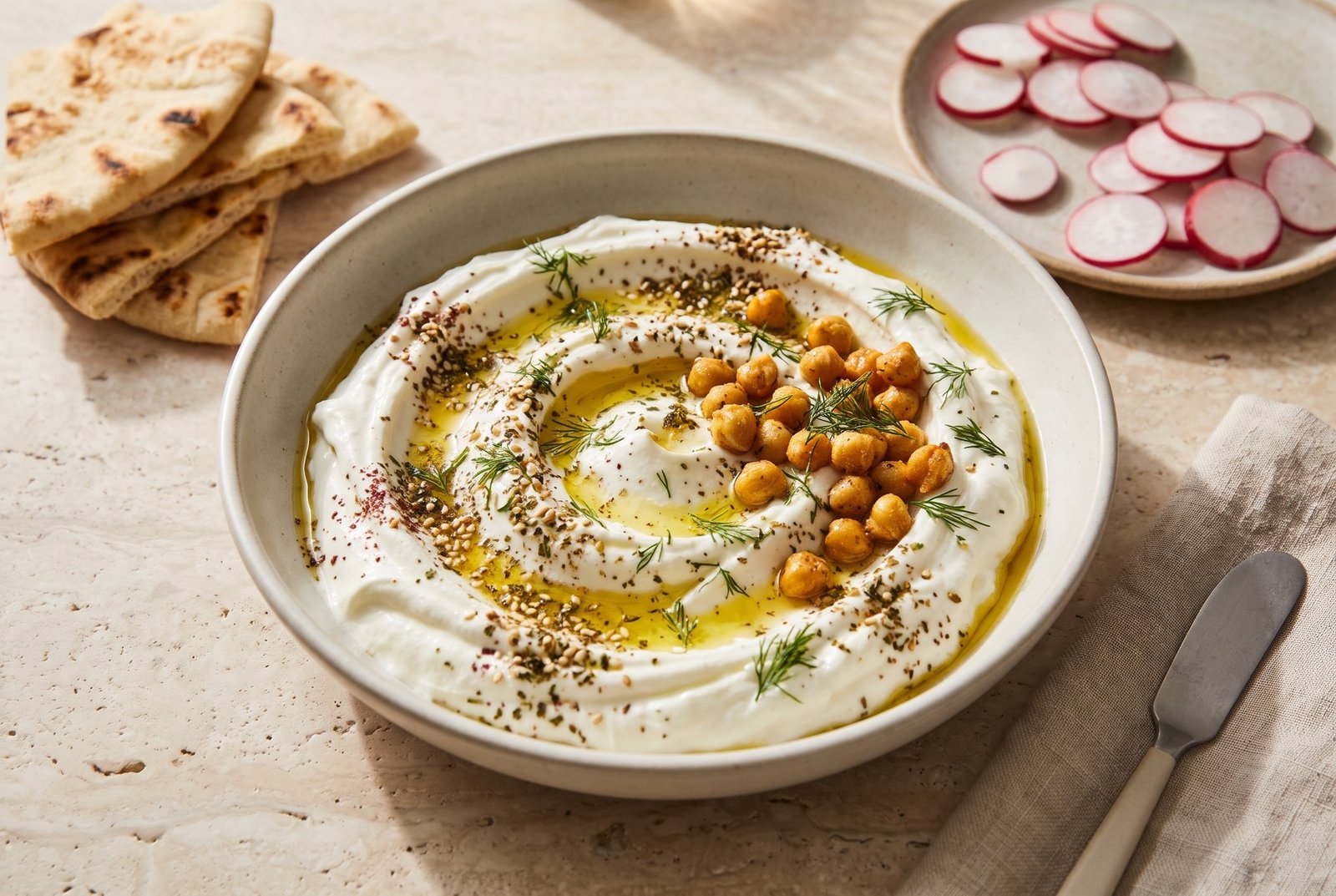
Greek yogurt also works well in savory dishes. Swirl it with olive oil, za’atar and herbs for a dip, or use it in place of sour cream. For grab-and-go ideas, our list of healthy snack ideas has more options.
Which one should you choose?
- Pick skyr if you want the most protein per spoonful, a thick texture and a milder taste than Greek yogurt.
- Pick Greek yogurt if you want the widest range of brands, fat levels and prices, plus easy use in savory cooking.
- Pick cottage cheese if you want big portions and lots of protein for the money, and you’re fine with the texture. Look for lower-sodium or added-culture versions.
- Pick regular yogurt if calcium matters more to you than protein.
If you’re pairing breakfast protein with lifting, our guide to strength training for women over 40 is a good next read, and we cover creatine for women separately.
Who should be careful
- Milk allergy: all three are dairy and aren’t safe for people with a milk protein allergy. Lactose-free versions still contain milk protein.
- Kidney disease: people with advanced kidney disease who aren’t on dialysis may need to limit protein, so check with your care team before adding high-protein foods (Bauer and colleagues).
- High blood pressure or a low-sodium diet: standard cottage cheese can add a meaningful amount of sodium. Lower-sodium versions or plain yogurt may fit better.
- Lactose intolerance: many people tolerate strained yogurts in small portions, but symptoms vary. Lactose-free options are widely available.
Frequently asked questions
Is skyr healthier than Greek yogurt?
They’re very close. Plain skyr usually has slightly more protein per 100 grams and a milder taste, while plain Greek yogurt is easier to find and comes in more varieties. Either makes a good base. The plain, unsweetened versions matter more than the label on the tub.
Is cottage cheese healthier than Greek yogurt?
It depends on your goals. Cottage cheese offers similar protein and often bigger portions for less money, but it has far more sodium and usually fewer live cultures. Greek yogurt is lower in sodium and more consistent on live cultures.
Can I eat skyr or Greek yogurt every day?
For most healthy adults, a daily serving of plain yogurt or skyr fits well within a balanced diet. If you have kidney disease, a milk allergy or a doctor-prescribed eating plan, ask your care team first.
Which is best for weight loss?
None of them works on its own. High-protein foods may help you feel full, which can make it easier to eat a little less, but the overall pattern of your meals matters more than which tub you choose.
Does skyr have probiotics?
Skyr is made with live cultures, and many brands list them on the label. How many survive and what they do in the gut varies by strain and product, so think of them as a bonus rather than the main reason to eat it.
Bottom line
Skyr vs Greek yogurt isn’t a big contest. Both are excellent high-protein, low-sodium bases, with skyr a little thicker and slightly higher in protein. Cottage cheese matches them on protein and value but brings a lot more sodium, so it’s worth choosing lower-sodium versions if that matters for you.
Choose the one you’ll enjoy, buy it plain, and build a breakfast around about 1 cup plus one protein-rich add-in. That simple formula gets most people close to 30 grams without protein powder.
Sources
- U.S. Department of Agriculture, Agricultural Research Service. FoodData Central (FDC IDs 2664809, 330137, 328841, 172182, 170886).
- Douglas SM, et al. Low, moderate, or high protein yogurt snacks on appetite control and subsequent eating in healthy women. Appetite. 2013.
- Mamerow MM, et al. Dietary protein distribution positively influences 24-h muscle protein synthesis in healthy adults. Journal of Nutrition. 2014.
- Bauer J, et al. Evidence-based recommendations for optimal dietary protein intake in older people: a position paper from the PROT-AGE Study Group. Journal of the American Medical Directors Association. 2013.
- Leyh SM, et al. Pre-sleep protein in casein supplement or whole-food form has no impact on resting energy expenditure or hunger in women. British Journal of Nutrition. 2018.
- Lavoisier A, et al. In vitro digestion of two protein-rich dairy products in the ageing gastrointestinal tract. Food and Function. 2023.
- Chen M, et al. Dairy consumption and risk of type 2 diabetes: 3 cohorts of US adults and an updated meta-analysis. BMC Medicine. 2014.
- Feng Y, et al. Consumption of dairy products and the risk of overweight or obesity, hypertension, and type 2 diabetes mellitus: a dose-response meta-analysis and systematic review of cohort studies. Advances in Nutrition. 2022.
- Karastamatis S, et al. Effect of modified manufacturing conditions on the composition of Greek strained yogurt and the quantity and composition of generated acid whey. Foods. 2022.
- U.S. Food and Drug Administration. FDA Announces Qualified Health Claim for Yogurt and Reduced Risk of Type 2 Diabetes. 2024.
- U.S. Food and Drug Administration. Sodium in Your Diet.
- NIH Office of Dietary Supplements. Calcium: Fact Sheet for Consumers.
- National Institute of Diabetes and Digestive and Kidney Diseases (NIH). Eating, Diet, and Nutrition for Lactose Intolerance.
Want more practical, evidence-based guidance like this? Join the newsletter for new guides as soon as they’re published.
⚕️ Disclaimer: This article is for general education and isn’t medical advice. Talk with a doctor or other qualified healthcare professional about your own health, especially if you’re pregnant, nursing, taking medication, or managing a condition. Read our full medical disclaimer.


Leave a Reply