
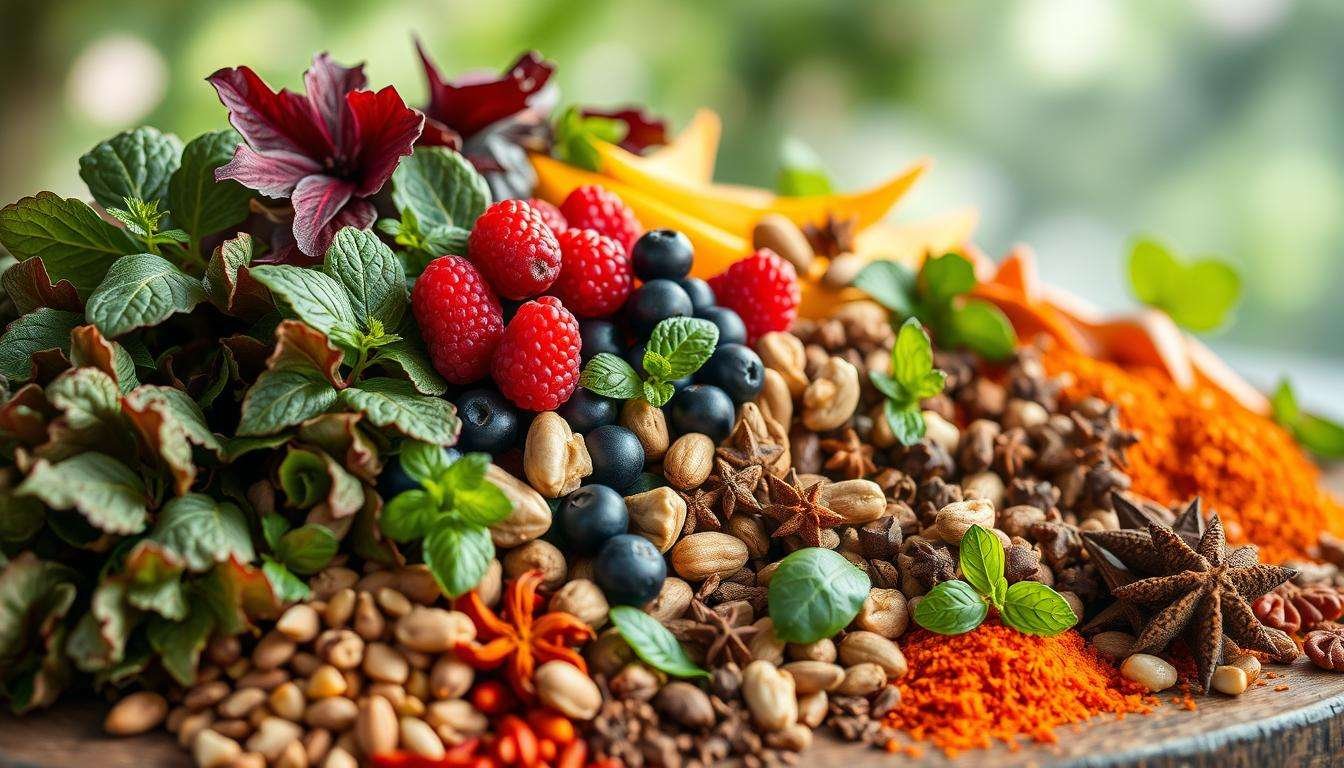
Hi, I’m Sophia. A strong immune system isn’t built by any single “superfood” — it’s built by consistent sleep, steady stress levels, and a diet that consistently supplies the vitamins, minerals, and antioxidants your immune cells actually run on. Still, some foods genuinely earn their reputation as immune-supportive standouts, and I want to walk you through the ones with real evidence behind them, plus a few honest caveats.
Your body has a defense system made of cells and proteins that fight off viruses and bacteria. Eating foods rich in antioxidants and specific vitamins helps that system work as it should. Below are the foods I come back to again and again, why they help, and how I actually use them. For a deeper dive into the diet-inflammation connection that underlies a lot of this, see my anti-inflammatory foods list.
Key Takeaways
- Blueberries are full of anthocyanin, which helps boost the immune system.
- Dark chocolate has theobromine that protects our cells, but eat it just sometimes.
- Turmeric’s curcumin is great for both fighting inflammation and being an antioxidant — see my guide to anti-inflammatory herbs and spices for the honest picture on dose and absorption.
- Fish like salmon and tuna have omega-3 fatty acids good for our immune system.
- Kefir has probiotics that strengthen the immune system and battle bacteria.
Blueberries: A Tasty Immune Booster
Blueberries taste great and boost your immune system. They’re full of nutrients that help keep you healthy. Known for their high anthocyanin content, they’re a top pick for immune health.
Antioxidant Properties
Blueberries are full of antioxidants, like flavonoids and anthocyanins. These nutrients offer many health benefits. Studies show that foods rich in anthocyanins can support your natural killer cells. These cells play a key role in fighting infections and keeping your immune system strong.
Blueberries are one of the top antioxidant-rich foods. A cup of blueberries gives you a good dose of vitamins C and K, and Manganese. It also has 3.6 grams of fiber but only 84 calories. The antioxidants help fight off harmful free radicals, supporting your immune response.
Benefits for Respiratory Health
The flavonoids in blueberries may help support your respiratory system. Some research suggests foods high in anthocyanins are associated with a lower risk of upper respiratory tract infections, though more research is needed to confirm this directly. A research review in Advances in Nutrition notes that blueberries’ anthocyanins may act less as direct antioxidants in the body — because they’re not very bioavailable — and more by interacting with gut bacteria in ways that appear to support immune-related pathways, which is a good reminder that “antioxidant” foods often work through more complex, indirect routes than the marketing suggests (PMC).
Adding blueberries to your diet is enjoyable and nutrient-dense. Their flavonoid content makes blueberries a smart addition for immune support.
Dark Chocolate: Indulge in Immune Strengthening
Dark chocolate is not just tasty, it’s also good for your health in moderation. It’s full of theobromine, an antioxidant. This helps protect your body’s cells from harmful free radicals that come from digesting food and pollution.
Theobromine and Cellular Protection
Theobromine is one contributor to dark chocolate’s antioxidant profile. Studies show dark chocolate has more polyphenol and flavonoid content than milk or white chocolate, which is why it’s generally the better choice when you want chocolate as part of a healthy diet. Cleveland Clinic notes that these flavonoids can prompt the body to produce nitric oxide, which relaxes blood vessels and supports circulation — one of the more consistently observed effects behind dark chocolate’s reputation (Cleveland Clinic).
Moderation and Caloric Considerations
It’s important to eat dark chocolate in moderation. It has healthy fats but can add too many calories if eaten too much. Enjoying it as part of a balanced diet lets you get its benefits without the downsides.
Here’s a quick nutritional comparison for better understanding:
| Type of Chocolate | Polyphenol Content | Flavonoid Content | Sugar Content |
|---|---|---|---|
| Dark Chocolate | High | High | Low |
| Milk Chocolate | Moderate | Moderate | High |
| White Chocolate | Low | Low | High |
The Golden Power of Turmeric
Turmeric, a vibrant yellow spice, is known for curcumin, its active compound. It’s valued for antioxidant and anti-inflammatory effects, which may support the immune system and general wellness.
Curcumin’s Anti-inflammatory Effects
Curcumin makes up about 3% of turmeric by weight and is well studied for its anti-inflammatory properties. Early lab and animal research has explored curcumin’s effects on cell growth, but this hasn’t been established as a cancer treatment in human trials — so treat that research as promising and early-stage, not a reason to use turmeric in place of medical care. Its anti-inflammatory and antioxidant effects are the best-supported everyday benefits. It’s worth being honest about the evidence here: the NIH’s National Center for Complementary and Integrative Health notes that while curcumin’s anti-inflammatory and antioxidant properties are well documented in lab studies, robust human evidence confirming specific health benefits is still limited for most conditions, with knee osteoarthritis being one of the better-studied exceptions (NCCIH). That’s exactly why I treat turmeric as a reasonable everyday addition rather than a proven treatment for anything specific.
Adding black pepper can improve curcumin’s absorption substantially, making it a smart pairing in meals.
How to Incorporate Turmeric in Your Diet
Adding turmeric to your diet is tasty and good for health. A favorite method is golden milk, a delicious Ayurvedic drink made with turmeric, black pepper, cinnamon, warm milk (usually plant-based), and a touch of sweetener.
Turmeric also works well in curries, soups, and smoothies. For a more concentrated dose, curcumin supplements are an option worth discussing with your doctor.
- Add turmeric powder to smoothies or juices for a health kick.
- Boost your soups and stews with a bit of turmeric.
- Create a golden milk for immune support, using turmeric, black pepper, and milk.
- Look into curcumin supplements if you want a concentrated dose — check with your doctor first.
If you’re pregnant or have iron issues, talk to a doctor before using large amounts of turmeric or supplements.
| Nutrient | Amount per 1 tbsp (7g) of Turmeric Powder |
|---|---|
| Calories | 29 kcals/123 KJ |
| Protein | 0.9g |
| Carbohydrates | 4g |
| Fiber | 2.1g |
| Fat | 0.3g |
| Potassium | 196mg |
| Iron | 5.17mg |
Whether you choose to use turmeric in cooking or take curcumin supplements, both can be a reasonable part of an immune-supportive routine.
Oily Fish: Omega-3 Fatty Acids and Immunity
Adding oily fish like salmon and tuna to your meals supports immune health. These foods are high in omega-3s, which help decrease inflammation and support how your immune system works. Eating them regularly brings essential nutrients that support overall wellness.
A 3-ounce serving of cooked salmon has about 14.5 micrograms of vitamin D — 97% of what most adults need daily — which matters, because vitamin D deficiency is one of the most common and most missed nutrient gaps; the NIH Office of Dietary Supplements lists fatty fish like salmon, trout, and tuna among the best natural food sources of vitamin D (NIH ODS). The omega-3 fatty acids in these fish also support white blood cell activity, which is vital for fighting infections — the NIH ODS notes omega-3s are important structural components of cell membranes with roles in heart, brain, and immune function (NIH ODS).
Now, let’s look at some recommended daily intakes:
| Nutrient | Recommended Intake (Adult Males) | Recommended Intake (Adult Females) |
|---|---|---|
| Vitamin C | 90 mg | 75 mg |
| Vitamin E | 15 mg | 15 mg |
| Zinc | 11 mg | 8 mg |
| Vitamin A | 900 mcg RAE | 700 mcg RAE |
| Omega-3 Fatty Acids | 1.6 g | 1.1 g |
These omega-3 rich foods do more than just support the immune system — including seafood in your diet is a solid choice for overall health, and omega-3s play a role in supporting a well-regulated immune response.
Green Tea: A Refreshing Immune Boost
Green tea is popular for its antioxidant content, especially flavonoids, which support general immune health.
Green tea is full of flavonoids, a powerful type of antioxidant that may help reduce your chances of catching a cold. This makes green tea a solid pick for immune support, especially in flu season. It also has less caffeine than coffee, so you can enjoy it throughout the day.
Drinking green tea regularly supports wellness thanks to catechins, which have antioxidant and anti-inflammatory properties. Since green tea isn’t fermented, it retains more of these catechins than black tea does. Harvard’s T.H. Chan School of Public Health notes that green tea’s main catechin, EGCG, has shown protective effects on cells in lab and animal research, though it’s honest about the fact that human evidence for specific disease outcomes remains limited and inconsistent (Harvard Nutrition Source) — which is why I think of green tea as a genuinely healthy daily habit rather than a cure for anything.
To make the most of green tea, brew it fresh — hot or cold, whatever you prefer.
Including green tea in your daily routine is a smart, flavorful way to support your immune defenses.
Mighty Mushrooms
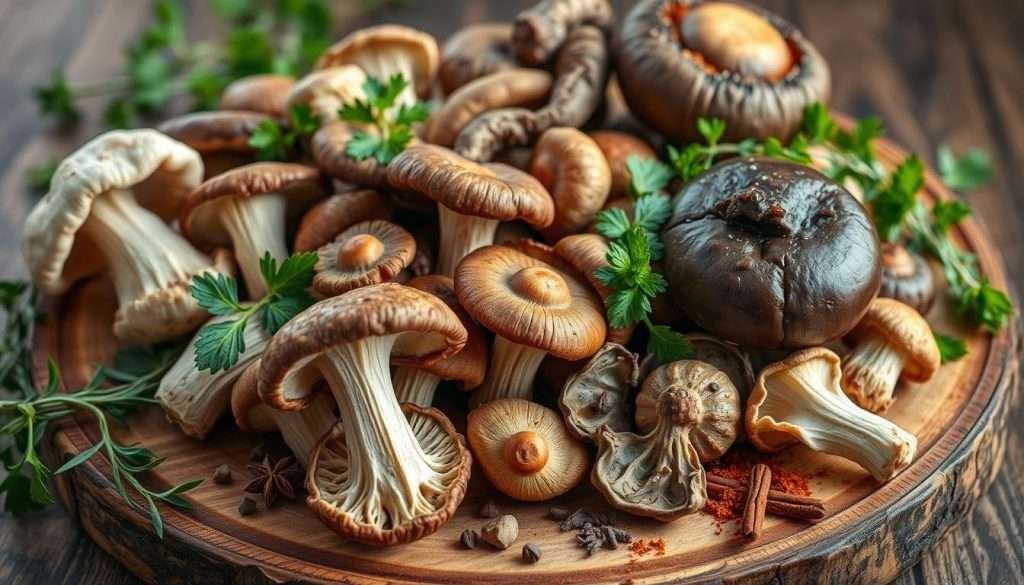
Mushrooms have long been valued for their nutritional benefits, especially for immune support. Maitake, shiitake, and reishi mushrooms offer nutritional benefits that appeal to both food lovers and the health-conscious.
Types of Immune-Boosting Mushrooms
Shiitake and maitake mushrooms are known for their beta-glucan content, which is studied for supporting immune function. Cleveland Clinic points to mushrooms’ polysaccharides and other compounds as part of what may help protect health, though it’s careful to note this research area is still developing (Cleveland Clinic). For a deeper dive into what mushroom supplements can and can’t do, see our full guide to mushroom supplement benefits.
- Shiitake: Rich in polysaccharides, supporting immune function.
- Maitake: Contains vitamin D and is studied for immune support.
- Reishi: Often used in traditional Chinese medicine and studied for its potential to modulate immune responses.
Recipes Featuring Mushrooms
Adding mushrooms to your diet is a tasty way to support immunity. Maitake and shiitake mushrooms are versatile in cooking. Here are some ideas to start:
- Mushroom and Barley Soup: Mix diced shiitake mushrooms with barley and your favorite veggies for a healthy soup.
- Sautéed Maitake over Quinoa: Cook maitake mushrooms in olive oil with garlic and shallots. Serve them over quinoa for a nutritious dish.
- Stir-Fry: Use a mix of shiitake, maitake, and other veggies for a quick stir-fry. It’s perfect for a busy night.
These recipes are not only tasty but also packed with nutrients from mushrooms.
Top Superfoods for Boosting Immunity Naturally
To support immunity naturally, a mix of immune-supportive nutrients is essential. Foods packed with vitamins and minerals can support your immune system. Let’s explore some superfoods filled with health-boosting elements and antioxidants.
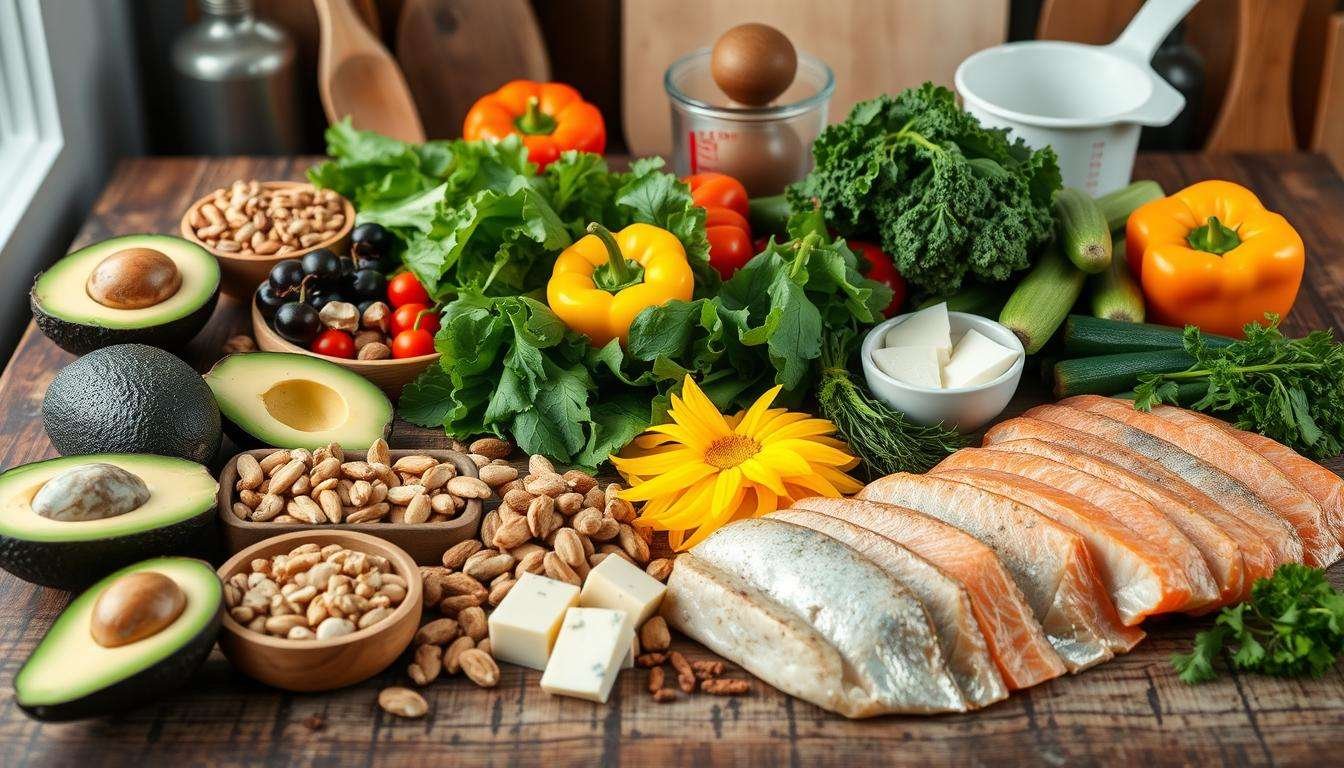
1. Red Bell Peppers: An ounce of red bell peppers has almost triple the vitamin C of a Florida orange — about 127 mg per ounce. Adults need 75 mg (women) to 90 mg (men) of vitamin C daily, and vitamin C is one of the nutrients most directly tied to normal immune cell function (NIH ODS).
2. Almonds: A half-cup serving provides about 100% of the daily 15 mg vitamin E needed. Vitamin E is a key antioxidant for immune health, working by protecting immune cells from the free-radical damage that builds up as your body converts food into energy (NIH ODS).
3. Sunflower Seeds: One ounce of sunflower seeds provides nearly half the adult daily need for selenium, a mineral the NIH Office of Dietary Supplements describes as necessary to help protect cells and resist infection (NIH ODS).
4. Garlic: Garlic is rich in immune-supportive vitamins B6 and C, along with antioxidant and antimicrobial compounds.
5. Turmeric: Turmeric, known for curcumin, offers anti-inflammatory and antioxidative benefits that support overall defenses.
6. Whole Grains: Whole grains provide B vitamins, fiber, zinc, and iron that support digestion and immunity — zinc in particular is directly involved in helping your immune system fight off invading bacteria and viruses (NIH ODS).
It’s not just about single superfoods for balanced nutrition. Mixing various health-boosting foods maximizes their benefits. Always check with a doctor before making significant dietary changes.
| Food | Key Nutrients | Benefits |
|---|---|---|
| Red Bell Peppers | 127 mg Vitamin C/oz | Supports immune function, anti-inflammatory |
| Almonds | 15 mg Vitamin E/half-cup | Antioxidant, supports immune health |
| Sunflower Seeds | Half of the daily selenium/oz | Supports immune response, rich in minerals |
| Garlic | Vitamins B6, C | Antimicrobial, supports gut health, immune support |
| Turmeric | Curcumin | Anti-inflammatory, antioxidative properties |
| Whole Grains | B vitamins, fiber, zinc, iron | Supports digestion, enhances immunity |
Adding these superfoods to your diet supports your immune system with beneficial antioxidants and nutrients as part of a balanced diet.
Probiotic Power of Kefir
Kefir is a popular fermented dairy drink, valued for its gut health benefits, which are closely tied to overall immune health. This drink has live cultures that support the immune system by helping maintain a balanced gut microbiome.
Live Cultures and Gut Health
Kefir’s live cultures, or probiotics, support healthy gut bacteria, which is important for a well-functioning immune system. Regularly drinking kefir may support digestion, help manage inflammation, and improve nutrient uptake. Roughly 70% of your immune system lives in gut-associated tissue, which is part of why gut and immune health are so tightly linked — I cover this connection more in gut health and nutrition.
Research on Kefir and Immune Support
Studies suggest kefir may offer benefits for immune support, including supporting the production of substances that help fight bacteria. Kefir may also support antioxidant activity, though more research is needed. The NIH Office of Dietary Supplements defines probiotics as live microorganisms that confer a health benefit when consumed in adequate amounts, while noting that effectiveness varies by strain, dose, and the individual — a useful reminder not to expect identical results from every fermented food or supplement (NIH ODS). Current findings are promising for gut and immune health.
If dairy kefir isn’t for you, or you simply want a broader-spectrum probiotic than food alone provides, this is the one supplement I’d point to on this list. I like Attain’s Probiotic Capsules (20 Billion CFU, 13 Strains) ($14.99) because it’s a genuinely diverse blend rather than a single strain, and it’s positioned to support gut and immune health together, the same combination kefir offers. Disclosure: Attain Supplements is part of our family of brands, so we may earn from purchases made through this link.
| Food | Immune-Boosting Component |
|---|---|
| Leafy Greens | Vitamins and Minerals |
| Yogurt | Probiotics |
| Fatty Fish | Omega-3 Fatty Acids |
| Kefir | Probiotics and Antioxidants |
| Turmeric | Anti-inflammatory Properties |
Garlic: The Ancient Remedy
For centuries, garlic has been valued for its health benefits. It contains allicin, a compound with antibacterial, antiviral and antifungal properties, making it a smart addition to your diet.
Allicin and Immune Support
Allicin is what gives garlic its distinctive properties. Research suggests it may support immune cell activity, helping your body respond to everyday challenges. Cleveland Clinic notes allicin also contributes to garlic’s antibacterial effects, including some protection against food-borne pathogens like salmonella and E. coli (Cleveland Clinic).
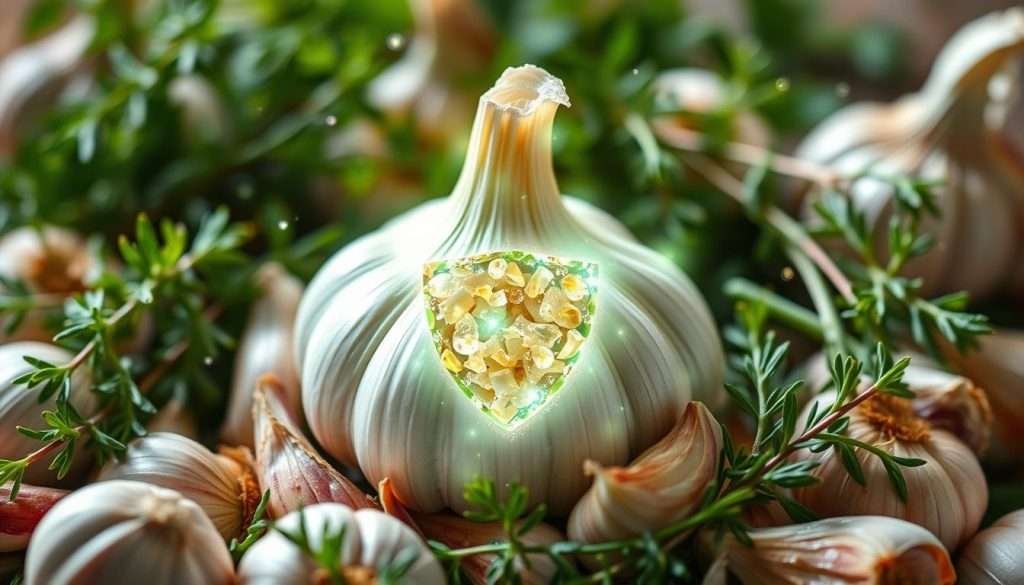
Garlic does more than just support immunity — it’s also rich in antioxidants that support heart health, making it a valuable herb for healthy living.
Garlic in Daily Cooking
Adding garlic to your meals is simple and enhances the flavor of many dishes. Garlic fits well in stir-fries, soups, sauces, and salads.
Using garlic regularly, whether raw or cooked, is a smart, low-effort way to support your overall health.
Spinach: A Nutrient-Dense Choice
Spinach is a great choice for immune support. It’s full of antioxidants like flavonoids and carotenoids, making spinach an antioxidant-rich vegetable that’s great for overall health.
Spinach has a solid vitamin C content, which is key for a well-functioning immune system and helps the body respond to everyday stressors.
Spinach is also packed with vitamin A, magnesium, and iron. These nutrients support immunity and overall wellness — the NIH Office of Dietary Supplements notes that iron deficiency specifically leaves people less able to fight off infections, since iron is needed for the immune cells that make up your body’s defenses (NIH ODS).
Let’s check out the nutrition in a small 80g serving of raw spinach:
| Nutrient | Amount |
|---|---|
| Calories | 20kcal / 82KJ |
| Protein | 2.2g |
| Fat | 0.6g |
| Carbohydrates | 1.3g |
| Fiber | 2.2g |
| Calcium | 136mg |
| Iron | 1.68mg |
| Folate | 91mcg |
| Vitamin C | 21mg |
Spinach is also great for your gut — its fiber supports healthy digestion, which ties back into immune health. It’s also loaded with vitamins and minerals that support heart health and stress resilience.
In short, spinach is a nutritional powerhouse. These leafy greens for immunity are a smart staple in any diet.
Citrus Fruits: Nature’s Vitamin C Source
Citrus fruits are a reliable source of vitamin C, which supports a healthy immune response.
Benefits of Vitamin C for Immunity
Vitamin C supports a healthy immune system and, in some studies, has been associated with slightly shorter and milder colds. This antioxidant also supports white blood cell function — the NIH Office of Dietary Supplements notes vitamin C helps the immune system work properly to protect the body from disease, in addition to its role in collagen production and iron absorption (NIH ODS).
Adult men need about 90 milligrams of vitamin C each day, and women require about 75 milligrams. Smokers should get an extra 35 milligrams because smoking adds oxidative stress to the body. Taking too much vitamin C can cause digestive upset or, rarely, kidney stones — check with a doctor before taking high-dose supplements, especially with existing health conditions.
Oranges, Kiwis, and More
Oranges are a favorite for their vitamin C content — one medium orange has about 70 milligrams. Kiwifruit is another good choice, full of fiber, vitamins C and E.
Grapefruits and red bell peppers are also packed with vitamin C. A single grapefruit provides more than 100% of your daily need, and half a cup of red bell peppers does too.
Adding these fruits to your diet is a simple, tasty way to support your vitamin C intake — raw, in salads, or as juice.
Conclusion
Diet is a genuinely useful piece of supporting your immune system. This article covered superfoods like antioxidant-packed blueberries, dark chocolate in moderation, turmeric, and green tea, each offering vitamins and minerals like C, D, and zinc that support immune defense. If inflammation is also part of your picture, these foods overlap heavily with my anti-inflammatory foods list, which is worth reading alongside this one. And if the question you actually have is what to make with all of this, I’ve put the practical half in a separate collection of immune-boosting smoothies and recipes.
These superfoods work best alongside healthy lifestyle choices — regular exercise, adequate sleep, and stress management. Getting less than six hours of sleep is linked to a higher likelihood of getting sick. Staying hydrated and moderating added sugar also support a resilient immune system.
Always talk to healthcare professionals for advice tailored to your specific health needs. Eating well, alongside a generally balanced lifestyle, is one of the more reliable ways to support strong, lasting immunity.
FAQ
What are some top superfoods for boosting immunity?
How do blueberries help in strengthening the immune system?
Can dark chocolate really support my immune system?
What makes turmeric effective for immune support?
Why are omega-3 fatty acids from oily fish important for the immune system?
How can green tea support my immune system?
Which types of mushrooms are best for supporting immune function?
What is the benefit of incorporating kefir into my diet?
How does garlic support the immune system?
Is spinach really that beneficial for immunity?
How does vitamin C from citrus fruits support immune health?
Are there other lifestyle practices besides diet that support immunity?
What foods boost your immune system fastest?
Can food alone really boost immunity?
Do superfoods actually work, or is that just marketing?
Is there one best food for immune support?
How long does it take for dietary changes to support immune health?
⚕️ Disclaimer: This article is for general informational and educational purposes only and is not a substitute for professional medical advice, diagnosis, or treatment. Always consult a qualified healthcare provider before making changes to your diet, exercise, supplement, or wellness routine. Read our full medical disclaimer.


[…] I’m Sophia. I’ve written before about which foods have the best evidence behind them for immune support — the citrus, the mushrooms, the kefir, the leafy greens. That post answers what to eat. This […]
[…] diet alone. There’s a lot of overlap with immune support here, too — most of the superfoods with the best evidence behind them for immunity turn up somewhere on this list as […]
[…] looking to enhance their immune function — it’s one of several options in my roundup of top superfoods for boosting immunity. Lion’s Mane is known for reducing inflammation and stress markers, helping to protect your […]