
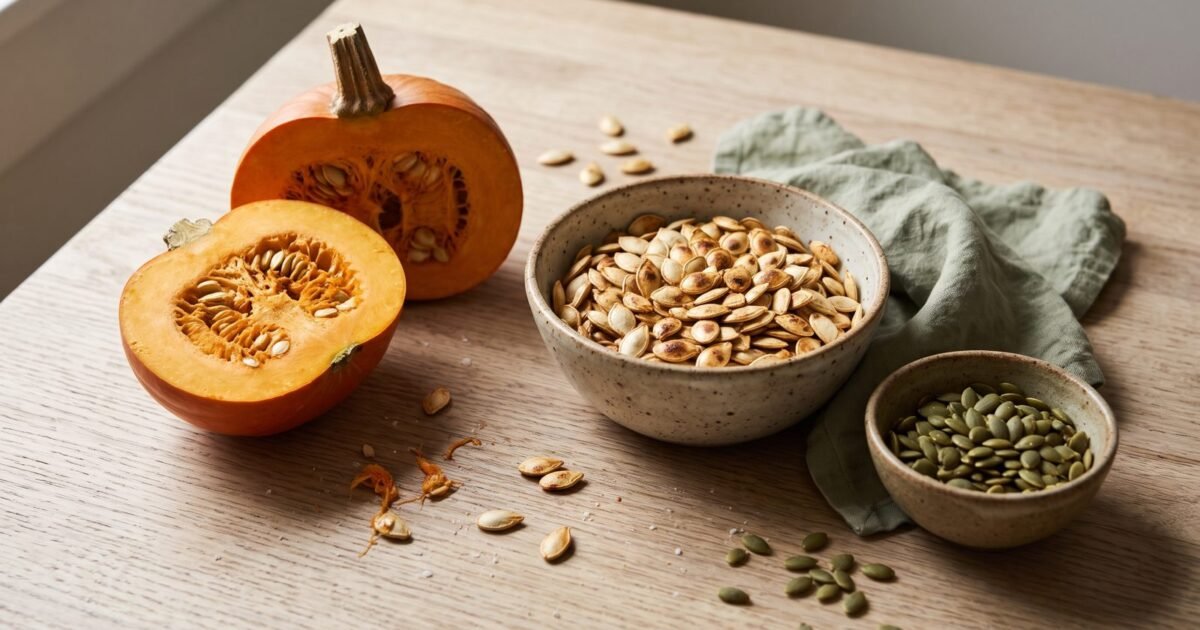
Every October and November, someone scoops a pumpkin and wonders whether the slippery seeds are worth saving. They are. A small handful packs a surprising amount of magnesium, zinc, plant protein and iron, and once roasted they turn into one of the easiest snacks you can make. Below, we cover the pumpkin seeds benefits that hold up in research, where the evidence is thin (sleep is the big one), how much to eat, and five roasted recipes that work with fresh seeds or a bag of pepitas.
Key takeaways
- One ounce of roasted hulled pumpkin seeds (pepitas) has about 156 mg of magnesium, roughly 37% of the Daily Value, plus about 8 g of protein and 2 mg of zinc.
- Whole seeds in the shell have much more fiber but less magnesium per ounce, since part of the weight is shell.
- Pumpkin seeds may support sleep indirectly through magnesium and tryptophan, but direct human evidence is small and early.
- A typical serving is about 1 ounce (roughly a quarter cup of pepitas). They are calorie dense, so a handful goes a long way.
- Roasting at a low, steady heat gives crunchy seeds without burning the oils.
Pumpkin seed nutrition at a glance
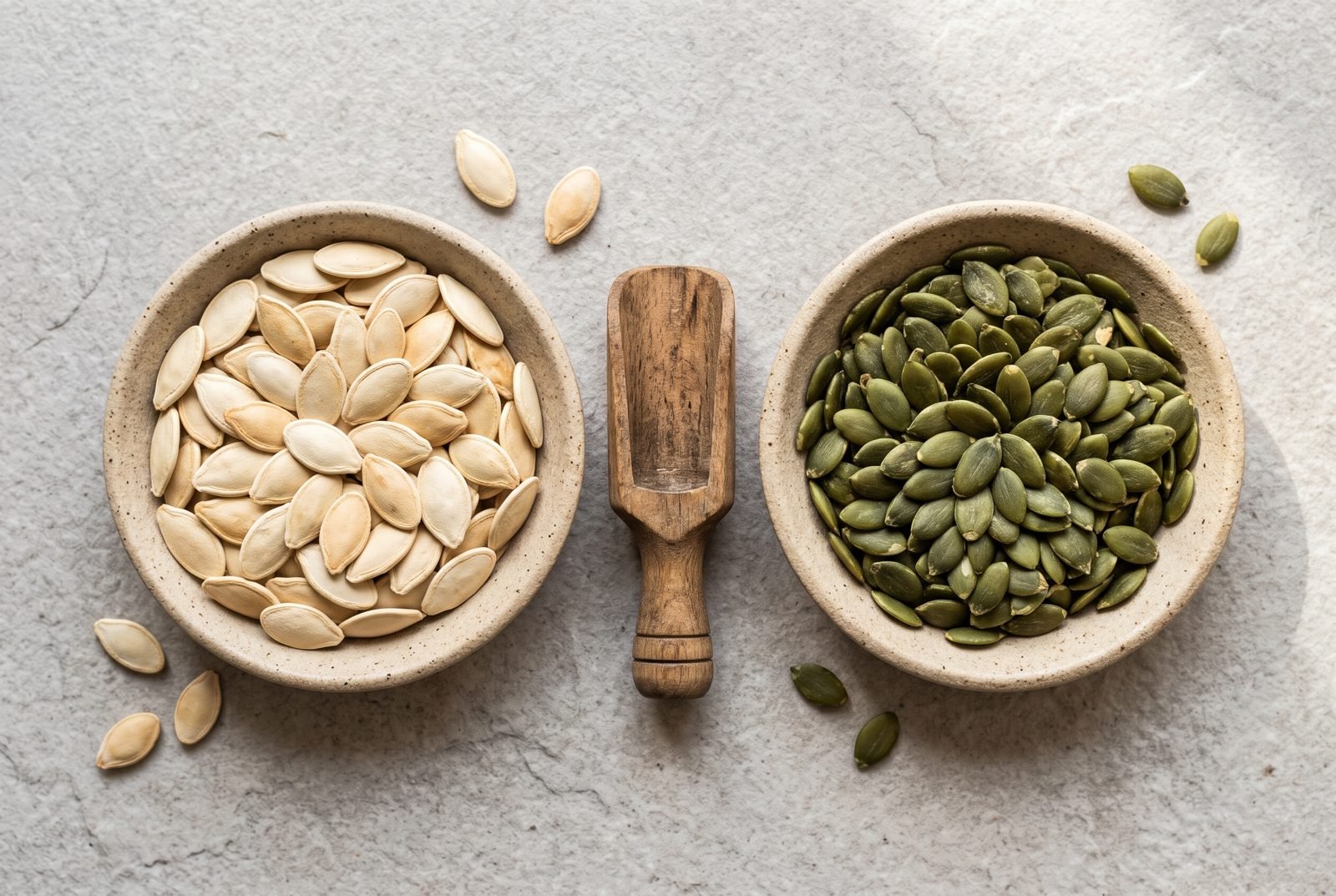
“Pumpkin seeds” can mean two different foods. The cream-colored, oval seeds you scoop from a jack-o’-lantern are whole seeds with the shell on. Pepitas are the flat green kernels inside (some pumpkin varieties grow them without a shell at all). Their nutrition differs more than most people expect.
Here is what USDA FoodData Central lists per 1 ounce (28 g), roasted without salt:
- Hulled kernels (pepitas): about 163 calories, 8.4 g protein, 1.8 g fiber, 156 mg magnesium, 2.2 mg zinc and 2.3 mg iron.
- Whole seeds in the shell: about 126 calories, 5.3 g protein, 5.2 g fiber, 74 mg magnesium, 2.9 mg zinc and 0.9 mg iron.
So if fiber is your goal, the crunchy in-shell seeds win. If you are after magnesium and protein, pepitas pull ahead.
The pumpkin seeds benefits backed by evidence
1. One of the easiest food sources of magnesium
The NIH Office of Dietary Supplements lists roasted pumpkin seeds at the top of its magnesium food table: 156 mg per ounce. Women over 30 need about 320 mg a day, so one small handful covers close to half. Magnesium plays a role in muscle and nerve function, blood sugar control and blood pressure regulation, and many adults fall short of the recommended amount from food.
If you have been reading about magnesium for sleep or magnesium for anxiety, pumpkin seeds are a food-first place to start before reaching for a supplement.
2. Plant protein and zinc in a small serving
About 8 g of protein per ounce puts pepitas ahead of most nuts. They make a handy topping when you are trying to get more plant-based protein without adding a shake. The same ounce delivers 2.2 mg of zinc, about 20% of the Daily Value according to the NIH zinc fact sheet. Zinc helps with immune function and wound healing.
3. A modest iron boost for plant-based eaters
Women ages 19 to 50 need 18 mg of iron a day, and pepitas offer a little over 2 mg per ounce. That iron is the nonheme type found in plants, which the body absorbs less readily. The NIH iron fact sheet notes that vitamin C improves nonheme iron absorption, so pairing seeds with citrus, berries or peppers is a smart habit. If you suspect you run low, our guide to low iron symptoms explains when a blood test makes sense. Seeds are a helpful extra, not a fix for deficiency.
4. Healthy fats that fit a heart-friendly pattern
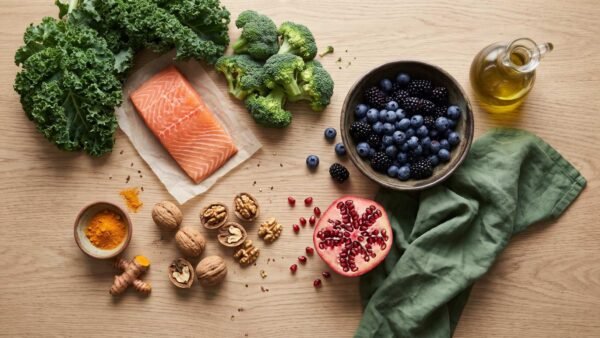
Most of the fat in pumpkin seeds is unsaturated, and they pair naturally with the foods on our anti-inflammatory foods list. Swapping a processed snack for a handful of seeds is a small, realistic change. There isn’t strong evidence that pumpkin seeds on their own protect your heart, so think of them as one piece of an overall eating pattern.
5. Possible urinary benefits (mostly studied in men)
Pumpkin seed is a traditional remedy for urinary complaints, and a few trials have tested it. In the one-year GRANU study of men with prostate-related urinary symptoms, men who ate 5 g of pumpkin seed twice a day were more likely to see a meaningful drop in symptom scores than men on placebo, though an extract capsule did no better than placebo and the authors called for confirmation. A small, uncontrolled Japanese study of pumpkin seed oil reported fewer overactive bladder symptoms in men and women. These are early findings, and new urinary symptoms are always worth checking with a doctor.
Do pumpkin seeds help you sleep?
This is the angle that has pumpkin seeds trending, so it deserves a careful answer. Pumpkin seeds contain tryptophan, an amino acid your body uses to make serotonin and melatonin, along with that generous dose of magnesium.
The direct evidence is limited. One small 2005 study of 49 adults with insomnia found that de-oiled gourd seed (a pumpkin-family seed rich in tryptophan) taken with carbohydrate improved several sleep measures, about as well as pharmaceutical tryptophan. The study was short and run by a company developing the product. A separate 2012 trial in older adults linked magnesium supplements to better sleep quality. Neither shows that a bowl of roasted seeds will knock you out.
What seems reasonable: if your diet is low in magnesium, a small evening snack of pepitas is a gentle, low-risk habit that fits into a wider wind-down routine. If sleep falls apart at a particular point in your month, our post on period insomnia covers other likely causes.

How many pumpkin seeds should you eat a day?
About 1 ounce is the usual serving, which works out to roughly a quarter cup of pepitas or a heaping half cup of whole seeds. At around 160 calories, it fills you up without crowding out meals. Some practical notes:
- Start smaller if you are new to whole seeds. The extra fiber in the shells can cause bloating, so add them gradually and drink water. Our fibermaxxing guide has tips for raising fiber comfortably.
- Check the salt. Many store-bought roasted seeds are heavily salted. Plain or lightly salted is the easy upgrade.
- Chew whole seeds well, and skip them for young children, who can choke on them.
- If you have a seed allergy, avoid them. If you take blood pressure medication or a magnesium supplement, a quick check with your pharmacist about total intake is reasonable.
How to roast pumpkin seeds (fresh or store-bought)
From a fresh pumpkin
- Scoop the seeds into a bowl of water and rub off the stringy pulp. The seeds float, the pulp sinks.
- Dry the seeds well with a towel. Wet seeds steam instead of crisp.
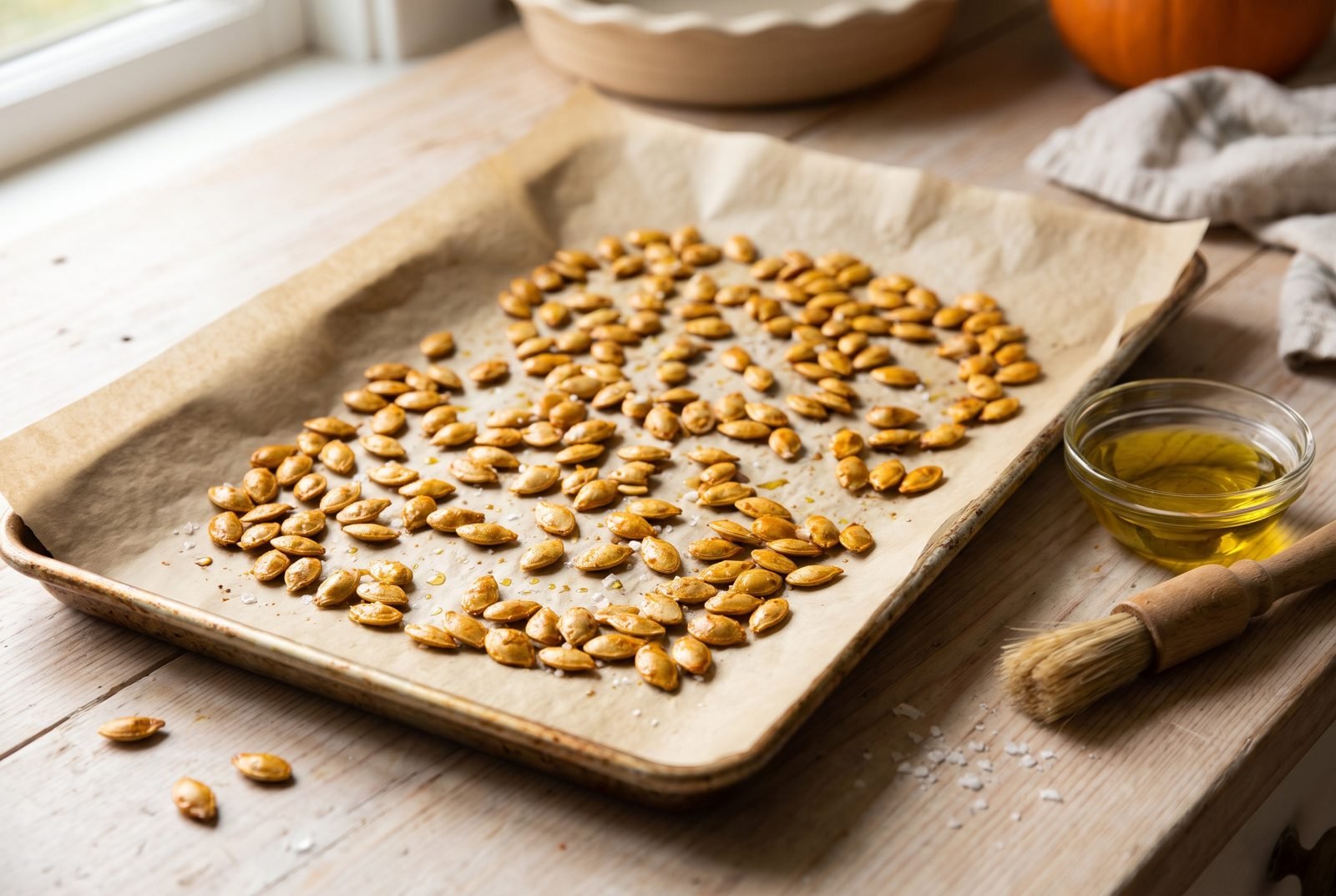
- Toss with about 1 teaspoon of olive or avocado oil per cup of seeds, plus a pinch of salt.
- Spread in a single layer on a parchment-lined sheet and roast at 325°F for 20 to 30 minutes, stirring halfway, until golden and dry.
- Let them cool on the pan. They get crunchier as they cool.
Smaller seeds from sugar pumpkins roast faster than big carving-pumpkin seeds, so start checking at 15 minutes.
From raw pepitas
Raw hulled pepitas only need 8 to 12 minutes at 325°F. Pull them when they puff slightly and you hear a few pop. They burn quickly, so stay close to the oven.
5 easy roasted pumpkin seed recipes
Each recipe uses 1 cup of cleaned seeds or pepitas and 1 teaspoon of oil. Add the seasonings before roasting unless noted.
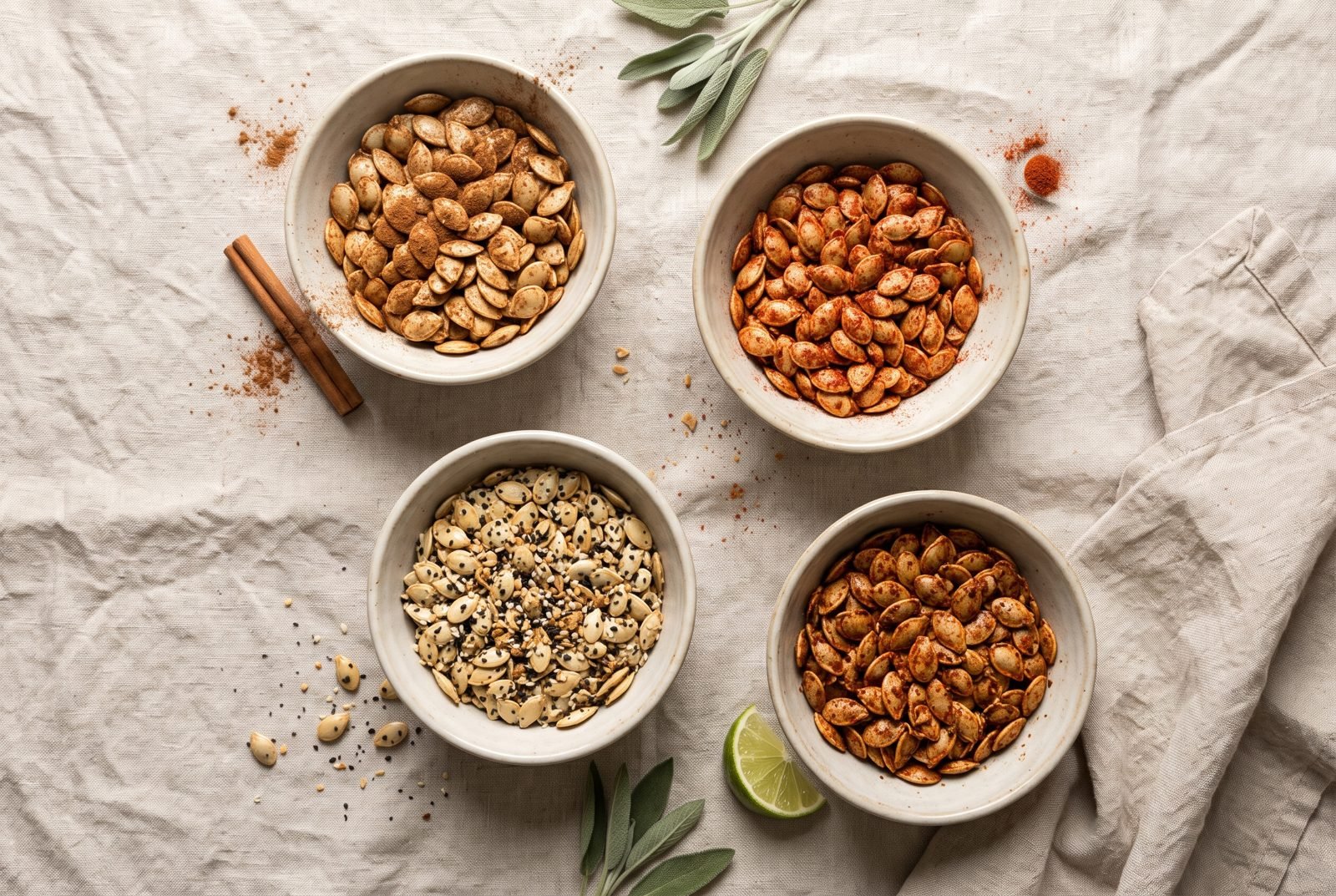
1. Classic sea salt and olive oil
Olive oil and 1/4 teaspoon of flaky sea salt. Simple, and the base for everything else.
2. Cinnamon maple
Toss with 2 teaspoons of maple syrup, 1/2 teaspoon of cinnamon and a pinch of salt. Lower the oven to 300°F, since sugar scorches. Lovely on oatmeal or one of our high protein breakfast ideas.
3. Smoky paprika and garlic
1/2 teaspoon each of smoked paprika and garlic powder, plus salt. A savory snack that tastes far more indulgent than it is.
4. Everything bagel
1 teaspoon of everything-bagel seasoning added for the last 5 minutes so the sesame and garlic do not burn. Great on salads and soups.
5. Lime chili
1/2 teaspoon of chili powder and a pinch of salt before roasting, then the zest and a squeeze of lime right after. The vitamin C in the lime is a nice bonus for iron absorption.
Store cooled seeds in an airtight jar at room temperature for about a week, or in the fridge for longer. Their oils can go stale, so trust your nose.
Easy ways to eat more pumpkin seeds
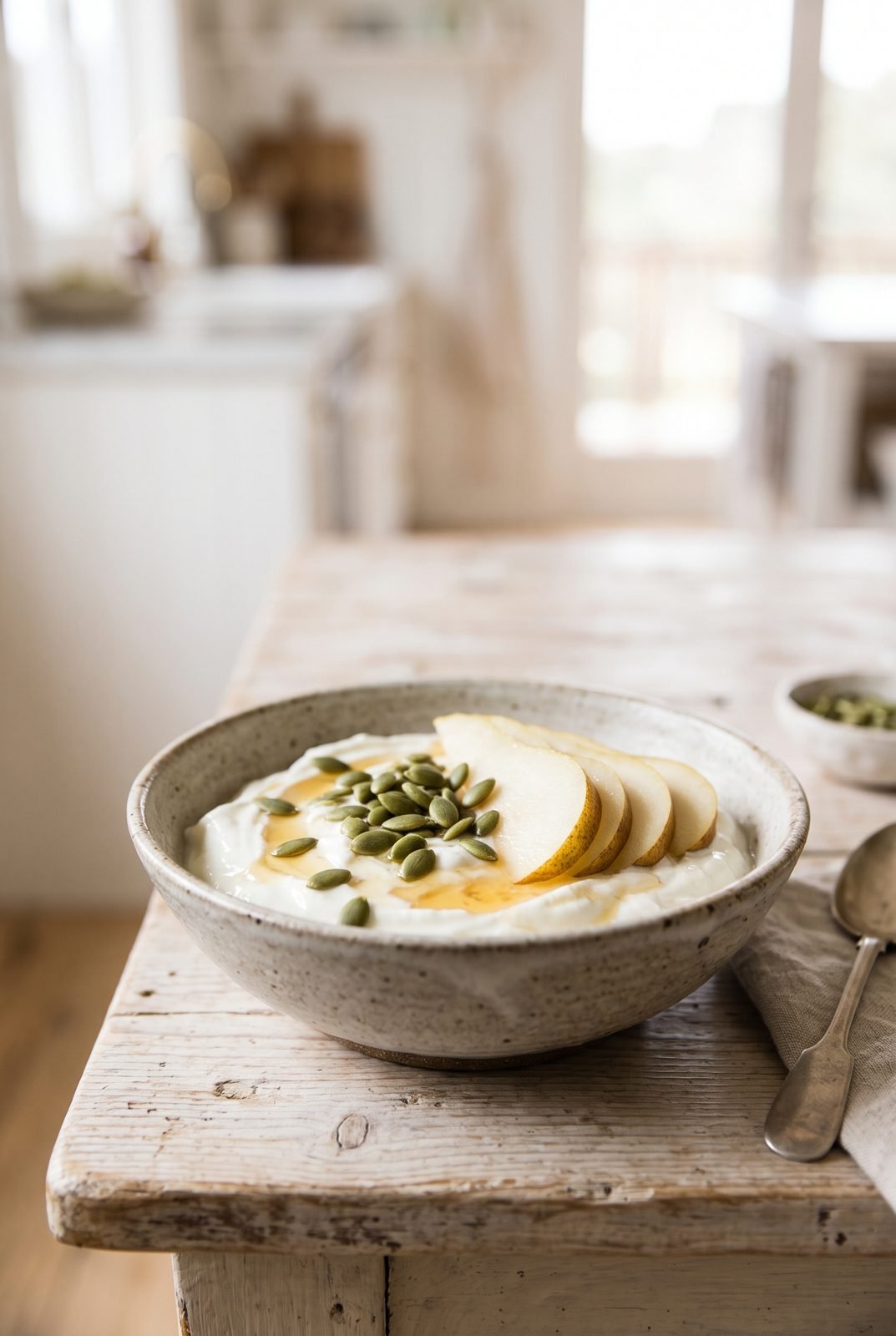
- Sprinkle on yogurt with fruit, or fold into any of these anti-inflammatory breakfast ideas.
- Add a spoonful to salads, roasted squash or grain bowls for crunch.
- Blend pepitas into pesto in place of pine nuts.
- Mix with dried fruit and dark chocolate for a trail mix that fits our list of healthy snack ideas.
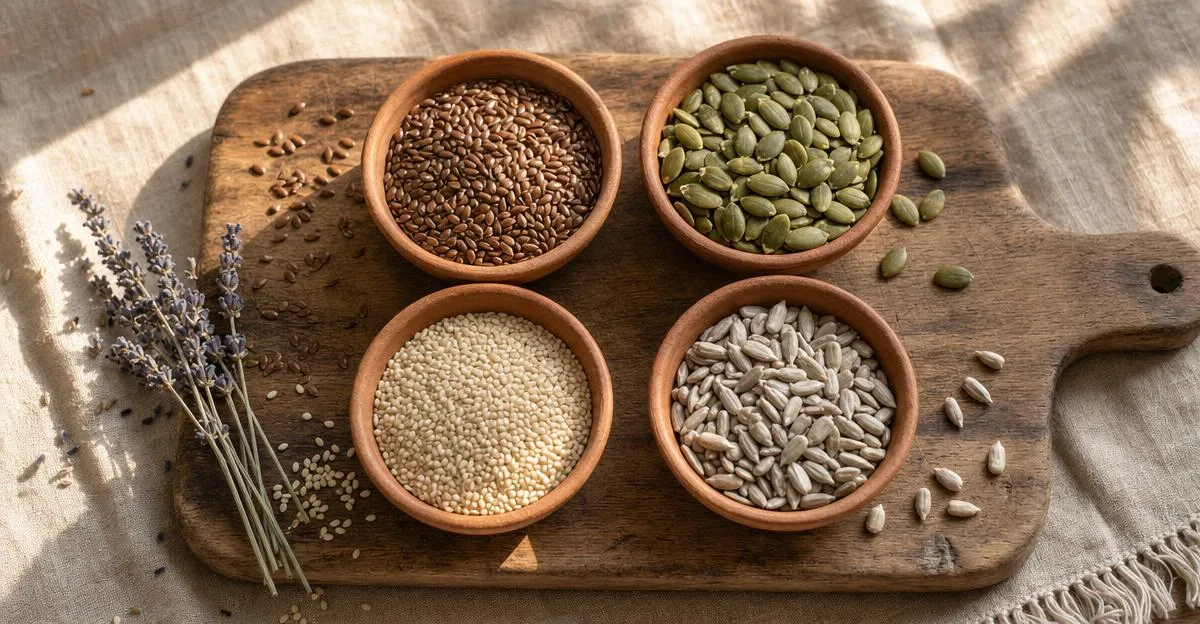
- Use them in seed cycling if you are curious. We looked at whether seed cycling works, and the hormone claims are weak, though the seeds themselves are nutritious.
FAQ
Is it better to eat pumpkin seeds raw or roasted?
Both are nutritious. Roasting improves flavor and crunch, and gentle heat changes the nutrient profile only slightly. Low and slow roasting helps protect the oils.
Can you eat the shells?
Yes. Whole roasted seeds are safe for most adults and add a lot of fiber. Chew them well, and choose hulled pepitas if shells bother your stomach.
Are pumpkin seeds good for women?
They supply magnesium, iron and zinc, nutrients many women run low on, especially those who eat little meat. They are a nutritious food, not a treatment for hormone or menstrual symptoms.
Do pumpkin seeds help with hair growth?
One small trial found that pumpkin seed oil capsules increased hair counts in men with male-pattern hair loss compared with placebo. It has not been well studied in women, and eating seeds is not the same as taking the oil.
How many calories are in a handful of pumpkin seeds?
About 160 calories per ounce of pepitas and about 125 per ounce of whole seeds.
The bottom line
Pumpkin seeds earn their spot in the pantry. An ounce of pepitas covers a big share of your magnesium for the day and adds plant protein, zinc and a little iron, while whole seeds bring extra fiber. The sleep buzz is ahead of the science, but a small evening handful is a low-risk habit. Save the seeds from your next pumpkin, roast them low and slow, and try one of the five flavors above.
Sources
- NIH Office of Dietary Supplements. Magnesium: Fact Sheet for Health Professionals.
- NIH Office of Dietary Supplements. Zinc: Fact Sheet for Health Professionals.
- NIH Office of Dietary Supplements. Iron: Fact Sheet for Health Professionals.
- U.S. Department of Agriculture. FoodData Central: Seeds, pumpkin and squash seed kernels, roasted, without salt (FDC ID 170557); Seeds, pumpkin and squash seeds, whole, roasted, without salt (FDC ID 170188).
- Hudson C, et al. Protein source tryptophan versus pharmaceutical grade tryptophan as an efficacious treatment for chronic insomnia. Nutritional Neuroscience. 2005.
- Abbasi B, et al. The effect of magnesium supplementation on primary insomnia in elderly: a double-blind placebo-controlled clinical trial. Journal of Research in Medical Sciences. 2012.
- Vahlensieck W, et al. Effects of pumpkin seed in men with lower urinary tract symptoms due to benign prostatic hyperplasia in the one-year, randomized, placebo-controlled GRANU study. Urologia Internationalis. 2015.
- Nishimura M, et al. Pumpkin seed oil extracted from Cucurbita maxima improves urinary disorder in human overactive bladder. Journal of Traditional and Complementary Medicine. 2014.
- Cho YH, et al. Effect of pumpkin seed oil on hair growth in men with androgenetic alopecia: a randomized, double-blind, placebo-controlled trial. Evidence-Based Complementary and Alternative Medicine. 2014.
Want more practical, evidence-based guidance like this? Join the newsletter for new guides as soon as they’re published.
⚕️ Disclaimer: This article is for general education and isn’t medical advice. Talk with a doctor or other qualified healthcare professional about your own health, especially if you’re pregnant, nursing, taking medication, or managing a condition. Read our full medical disclaimer.
Leave a Reply